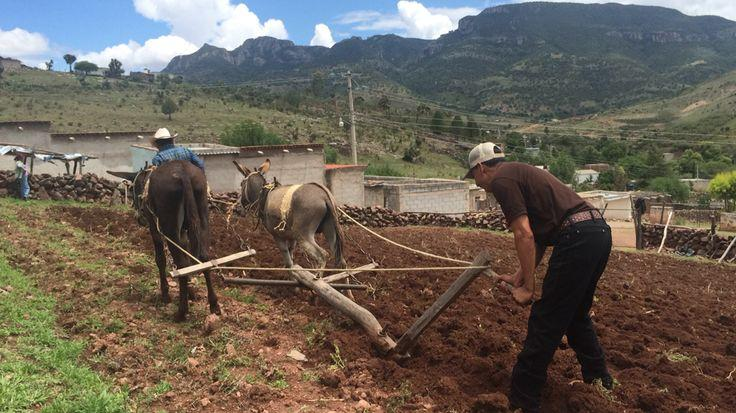
Ploughing and agricultural traditions
Ploughing was an essential activity in many agricultural societies. It prepared the soil for planting and was connected with seasonal cycles, crop production, animal management, and the organization of rural labor.
The success of agriculture depended on environmental conditions, including rainfall, soil quality, temperature, and the availability of labor and animals.
Because farming was essential to food production, agricultural activities often became associated with rituals and symbolic practices intended to encourage fertility, protect crops, and ensure prosperity.
Blessings and seasonal rituals
Traditional agricultural blessings may involve prayers, symbolic actions, processions, offerings, or the use of sacred objects.
Such practices could be connected with the beginning of ploughing, planting, harvesting, or other important moments in the agricultural calendar.
In Christian communities, agricultural rituals could incorporate prayers to saints, church blessings, or celebrations connected with particular feast days.
The exact form of these practices would vary between regions and communities.
Drama and rural traditions
Drama and the surrounding region of northern Greece have a history of agriculture and rural settlement. The local landscape and climatic conditions have shaped agricultural activities and community life.
Traditional farming practices could include the use of animals, seasonal labor, tools, and knowledge transmitted between generations.
A hypothetical study of Thracian plough blessings in Drama would examine how agricultural work became connected with religion, folklore, and community identity. It would require direct documentation of the specific practice before it could be described as an established local tradition.
Agricultural ritual as cultural memory
Rituals connected with ploughing can express the relationship between people and the land. They may reflect hopes for productivity, protection from hardship, and continuity of household life.
These practices are important to folklore research because they reveal how communities interpreted the uncertainty of agricultural production and incorporated symbolic actions into everyday work.