• MAIN PAGE
  • LATEST NEWS
    • Lost Cities
    • Archaeology's Greatest Finds
    • Underwater Discoveries
    • Greatest Inventions
    • Studies
    • Blog
  • PHILOSOPHY
  • HISTORY
  • RELIGIONS
    • Africa
    • Anatolia
    • Arabian Peninsula
    • Balkan Region
    • China - East Asia
    • Europe
    • Eurasian Steppe
    • Levant
    • Mesopotamia
    • Oceania - SE Asia
    • Pre-Columbian Civilizations of America
    • Iranian Plateau - Central Asia
    • Indus Valley - South Asia
    • Japan
    • The Archaeologist Editor Group
    • Scientific Studies
    • Aegean Prehistory
    • Historical Period
    • Byzantine Middle Ages
    • Predynastic Period
    • Dynastic Period
    • Greco-Roman Egypt
  • Rome
  • PALEONTOLOGY
  • About us
Menu

The Archaeologist

  • MAIN PAGE
  • LATEST NEWS
  • DISCOVERIES
    • Lost Cities
    • Archaeology's Greatest Finds
    • Underwater Discoveries
    • Greatest Inventions
    • Studies
    • Blog
  • PHILOSOPHY
  • HISTORY
  • RELIGIONS
  • World Civilizations
    • Africa
    • Anatolia
    • Arabian Peninsula
    • Balkan Region
    • China - East Asia
    • Europe
    • Eurasian Steppe
    • Levant
    • Mesopotamia
    • Oceania - SE Asia
    • Pre-Columbian Civilizations of America
    • Iranian Plateau - Central Asia
    • Indus Valley - South Asia
    • Japan
    • The Archaeologist Editor Group
    • Scientific Studies
  • GREECE
    • Aegean Prehistory
    • Historical Period
    • Byzantine Middle Ages
  • Egypt
    • Predynastic Period
    • Dynastic Period
    • Greco-Roman Egypt
  • Rome
  • PALEONTOLOGY
  • About us
No results found

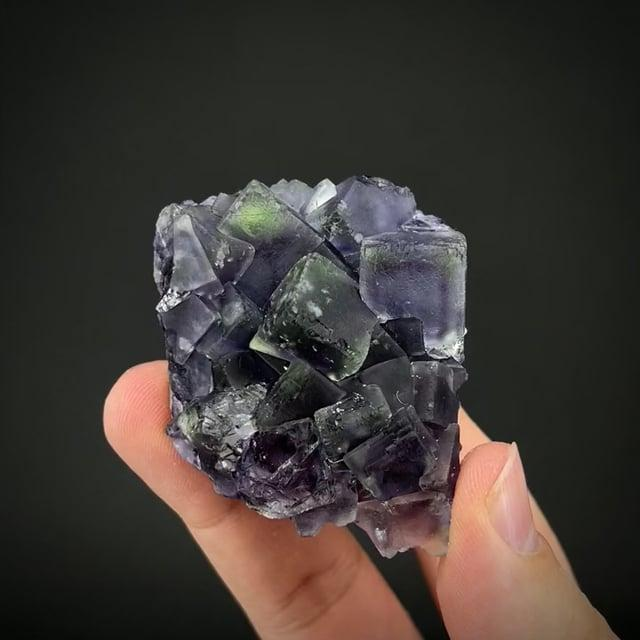
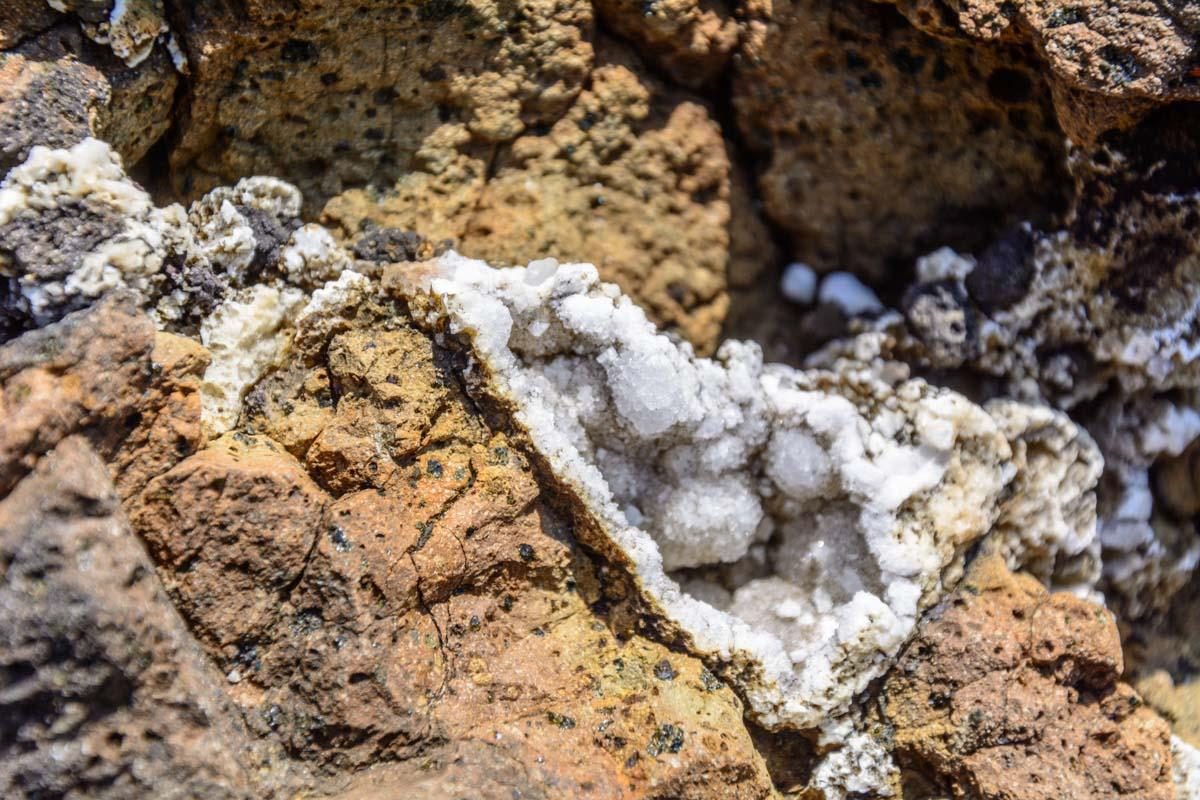
Obscure Fluorite in a Dirfi Cave

November 19, 2026

Fluorite and its mineral properties

Fluorite is a mineral composed primarily of calcium fluoride. It is known for its wide range of colors, including purple, green, blue, yellow, and colorless varieties. Some specimens display multiple colors within a single crystal.

Fluorite commonly forms cubic crystals, although other crystal shapes and aggregates may occur. It has a relatively low hardness compared with many common minerals, making it susceptible to scratching and damage.

Its distinctive appearance and crystal structure have made it an important mineral in geological collections and scientific research.

Mineral formation and geological conditions

Fluorite commonly forms from mineral-rich fluids moving through fractures and cavities in rocks. These fluids may deposit fluorite under suitable chemical and physical conditions.

The formation of fluorite depends on the availability of calcium and fluorine, fluid chemistry, temperature, and the geological environment.

Fluorite deposits may occur in association with hydrothermal systems, veins, carbonate rocks, and other geological settings.

Dirfi and the geological environment of Euboea

Mount Dirfi is located on the island of Euboea and is associated with a varied geological landscape, including mountainous terrain and different rock formations.

Caves in mountainous areas can develop through geological processes involving dissolution, fractures, erosion, and changes in groundwater movement. Their mineral contents depend on the surrounding rocks and the chemistry of water passing through the cave.

The title's reference to fluorite in a Dirfi cave is hypothetical. The presence of fluorite in a specific cave would need to be confirmed by geological investigation.

Scientific importance of cave minerals

Cave minerals can provide information about the geological environment, groundwater chemistry, and the processes that formed the cave.

Mineral deposits may also help researchers investigate changes in water movement and chemical conditions over time.

A hypothetical fluorite discovery in a Dirfi cave would be relevant to mineralogical research, geological mapping, and the study of cave formation. Such a discovery would require careful documentation to establish the mineral's identity, origin, and relationship to the surrounding rock.

Because cave environments can be fragile, geological investigation should also consider the protection of mineral formations and cave ecosystems.
Hidden Zeolite in Aeolian Coastal Cliffs →
Featured
image_2026-11-19_222129997.png
November 19, 2026
Obscure Fluorite in a Dirfi Cave
November 19, 2026
Read more →
November 19, 2026
image_2026-11-19_222051327.png
November 19, 2026
Hidden Zeolite in Aeolian Coastal Cliffs
November 19, 2026
Read more →
November 19, 2026
image_2026-11-19_222017770.png
November 19, 2026
Obscure Travertine Terraces in Voidomatis
November 19, 2026
Read more →
November 19, 2026
image_2026-11-19_221939397.png
November 19, 2026
Submerged Basalt Columns in a Saronic Cove
November 19, 2026
Read more →
November 19, 2026
image_2026-11-19_221855657.png
November 19, 2026
Hidden Petrified Trees Near Meteora’s Base
November 19, 2026
Read more →
November 19, 2026
image_2026-11-19_221811443.png
November 19, 2026
Obscure Thracian Plough Blessings in Drama
November 19, 2026
Read more →
November 19, 2026
read more

Powered by The archaeologist