Travertine and carbonate deposition
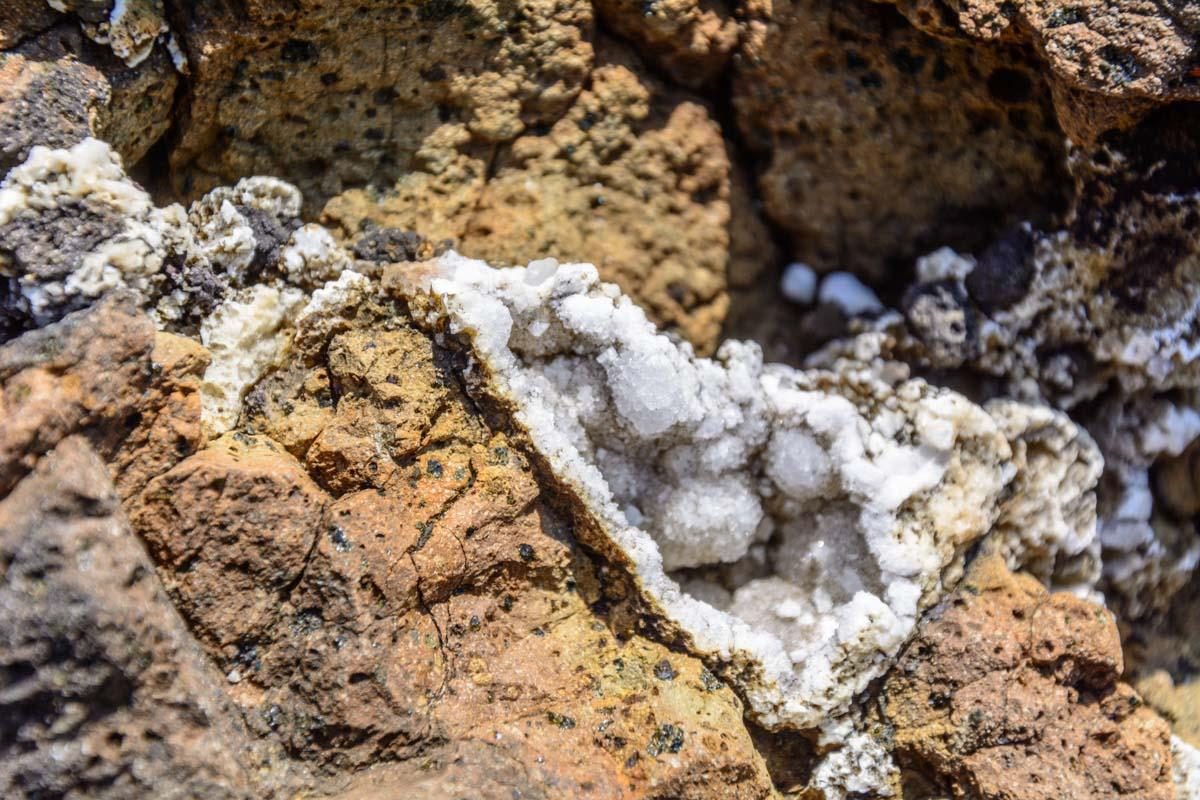
Travertine is a type of limestone formed through the precipitation of calcium carbonate from water. It commonly develops around springs, rivers, caves, and other environments where carbonate-rich water undergoes chemical changes.
Travertine formation is influenced by temperature, pressure, dissolved carbon dioxide, water chemistry, biological activity, and flow conditions.
As calcium carbonate precipitates, it may accumulate in layers, creating terraces, mounds, coatings, and other distinctive structures.
The formation of terraces
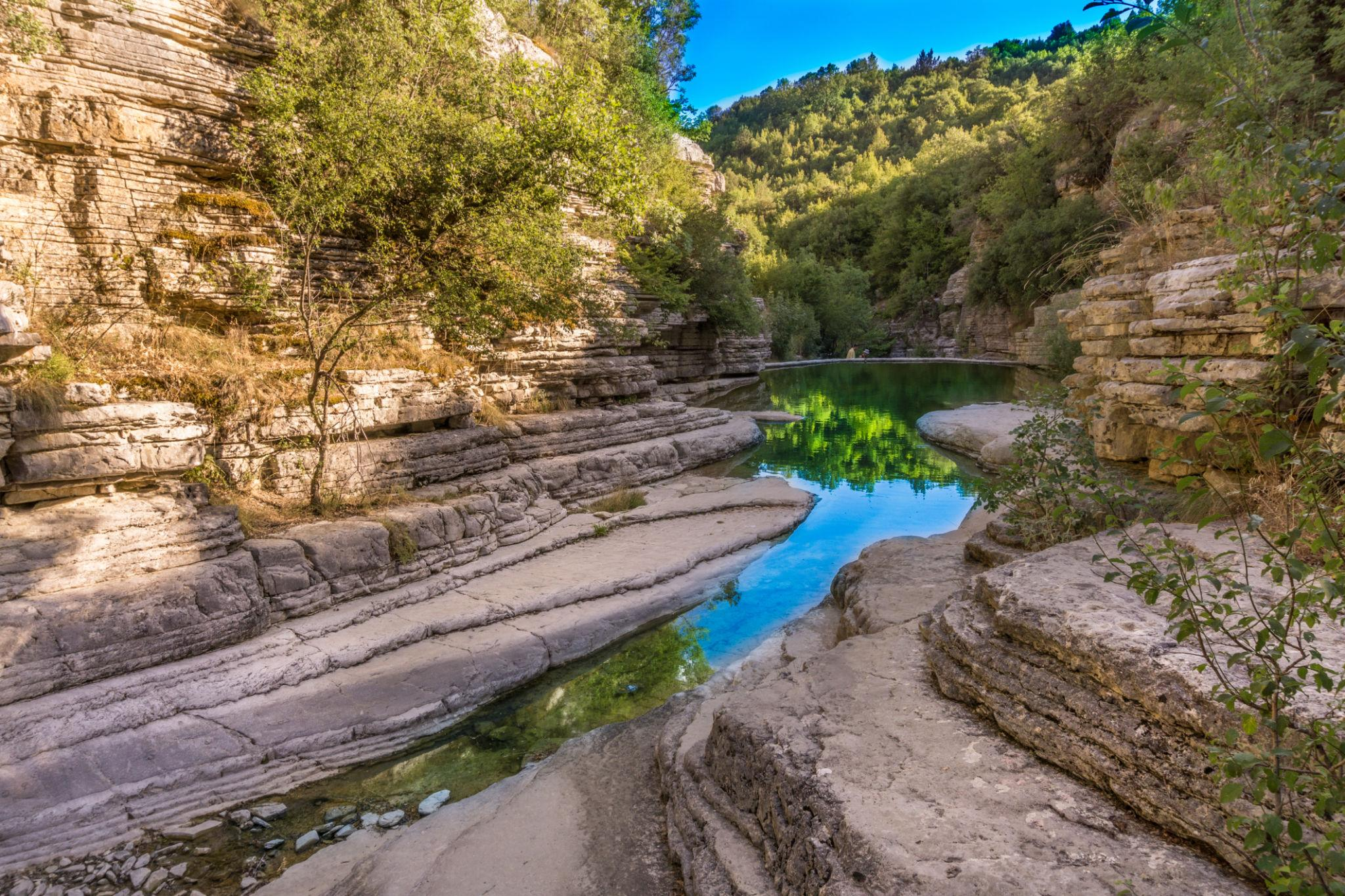
Travertine terraces can develop where water flows across a surface and deposits carbonate material. Over time, repeated deposition can create stepped or layered formations.
Changes in water flow, mineral concentration, vegetation, and the position of channels may influence the shape of the terraces.
The process can be relatively continuous in active environments, although the rate of deposition varies considerably.
The Voidomatis landscape
The Voidomatis River is known for its clear water and distinctive landscape in the Epirus region. The river is associated with limestone terrain, natural springs, and the wider geological environment of the Zagori area.
The presence of specific travertine terraces along the Voidomatis would require geological confirmation. The title should therefore be treated as a research topic rather than a verified description of a particular formation.
Environmental significance
Travertine formations can provide information about past and present water conditions. Their layers may record changes in mineral deposition, water flow, and environmental processes.
Research into a hypothetical travertine terrace system along the Voidomatis could contribute to understanding carbonate deposition, river environments, landscape development, and the interaction between geology and water.
Because such formations can be sensitive to changes in water quality and flow, their study may also have implications for environmental conservation.