Introduction
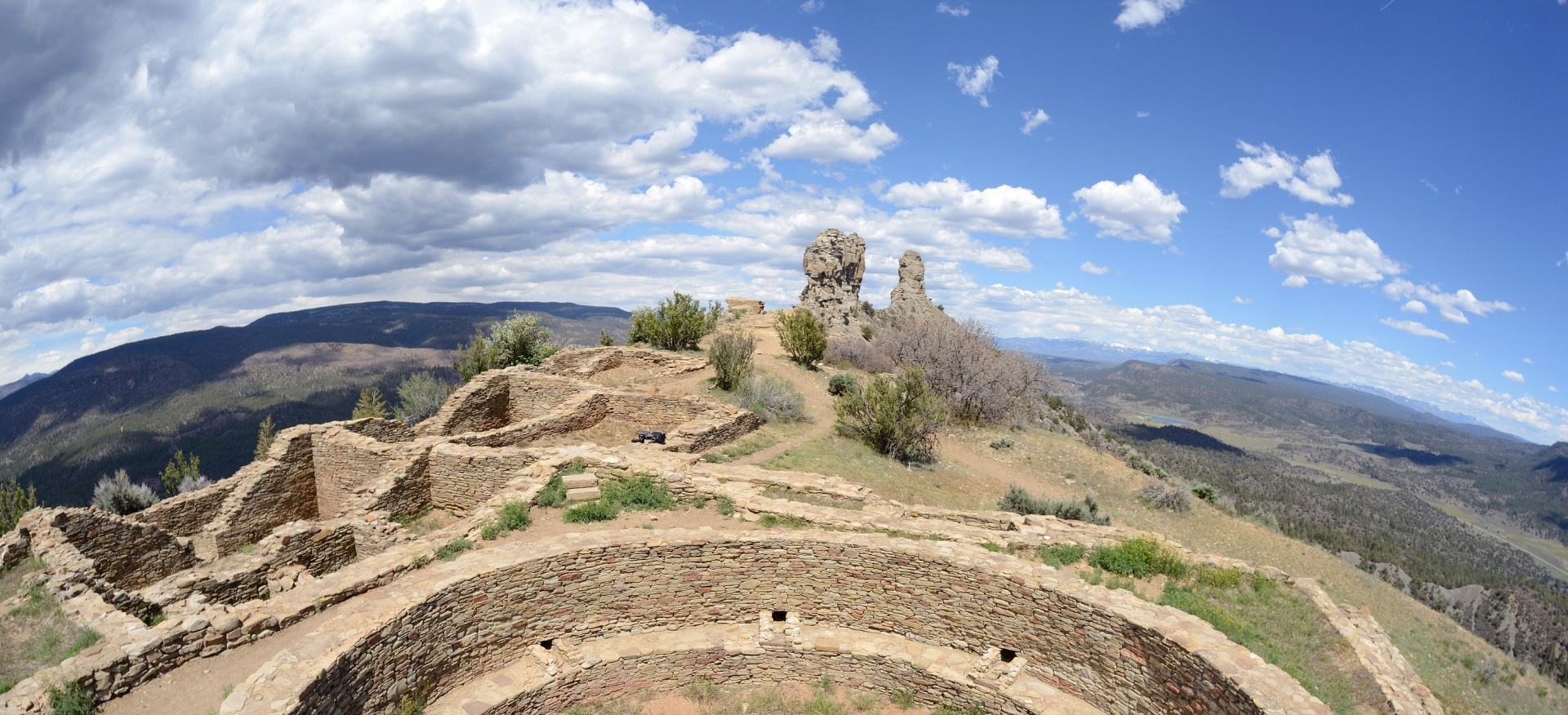
Scattered across the rugged landscape along the Utah–Colorado border, Hovenweep preserves one of the most extraordinary concentrations of ancient stone architecture in the American Southwest. Its towers, pueblos, walls, reservoirs, and agricultural features were constructed primarily by Ancestral Puebloan communities between approximately the thirteenth century and the periods immediately preceding it.
The word Hovenweep is derived from a Ute word commonly translated as something resembling "deserted valley", an appropriate description of the quiet landscape surrounding the ruins today.
Yet the archaeological evidence reveals that these places were once active communities.
Hovenweep's towers are particularly famous. Rising from canyon rims and isolated rock formations, they appear almost fortress-like. Their exact functions remain debated. Some may have been residential structures, others storage facilities, ceremonial buildings, lookout points, or combinations of several functions.
The mystery of Hovenweep is therefore not simply why people built towers in such an environment, but how those structures fitted into the larger social and environmental system of Ancestral Puebloan life.
A Landscape of Canyons and Water
Hovenweep is located in a relatively dry region characterized by mesas, sandstone formations, shallow canyons, and limited water.
This environment presented serious challenges to human settlement.
Water availability was especially important.
The inhabitants developed strategies for capturing and conserving rainfall.
Archaeological features include:
check dams;
reservoirs;
agricultural terraces;
diversion structures;
and carefully positioned fields.
These features demonstrate that survival depended on detailed knowledge of the local landscape.
The Hovenweep Towers
The towers are the site's defining architectural feature.
Some are circular.
Others are square or D-shaped.
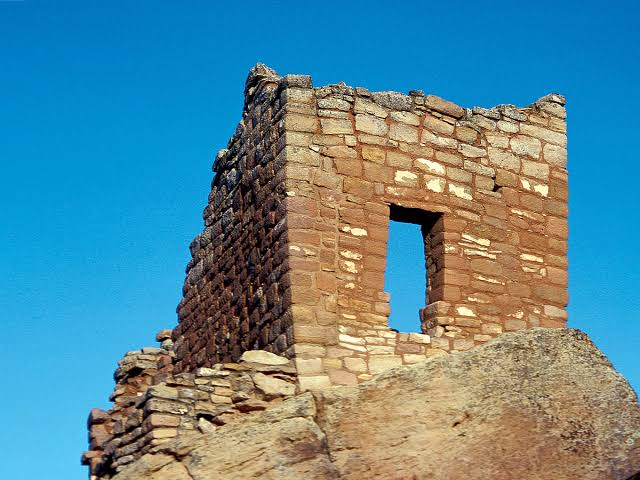
Several contain carefully constructed masonry that demonstrates considerable technical skill.
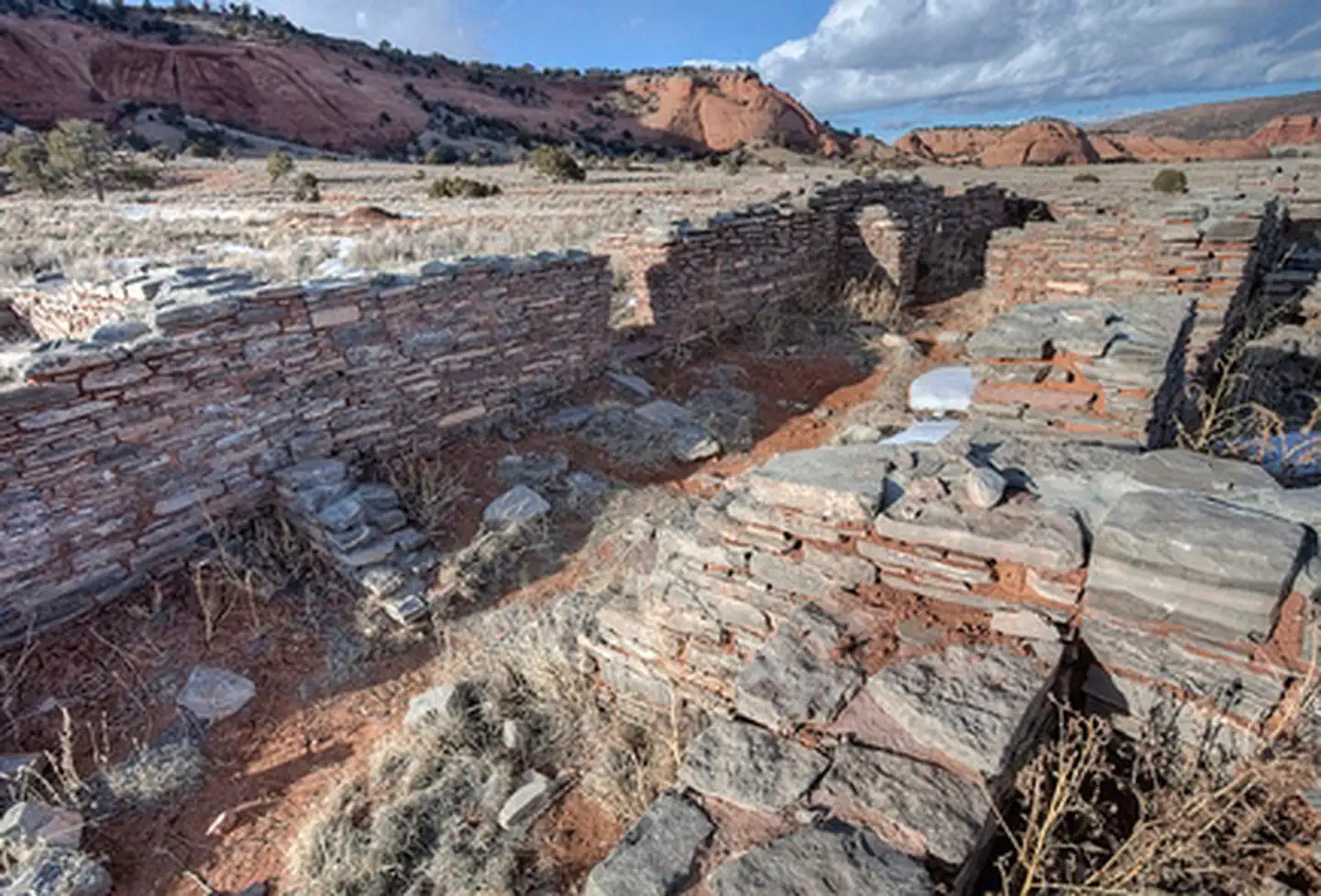
Walls were made from locally available sandstone and carefully fitted together.
The builders did not possess modern machinery, but they were capable of constructing stable multi-story structures using stone, mortar, wooden beams, and other locally available materials.
Why Build Towers?
The function of the towers remains one of Hovenweep's most intriguing archaeological questions.
A tower could serve several purposes.
It might have been:
a dwelling;
a storage building;
a ceremonial structure;
a defensive structure;
an observation point;
or a combination of functions.
The assumption that towers were military fortifications is tempting because their appearance resembles medieval defensive architecture.
However, there is limited evidence for warfare being the sole reason for their construction.
In the ancient Southwest, architecture could have multiple overlapping functions.
A tower could simultaneously provide storage, social space, visibility, and symbolic importance.
Square Tower and Its Architecture
Square Tower is one of the best-known structures at Hovenweep.
The building's masonry demonstrates the sophistication of Ancestral Puebloan construction.
Stone blocks were carefully arranged to produce relatively smooth walls.
Interior spaces were divided into rooms and levels.
The structure's position near the canyon edge also provided a dramatic relationship between architecture and landscape.
This relationship appears repeatedly throughout Hovenweep.
The Importance of Water
Water management was essential to the survival of Hovenweep communities.
Rainfall in the region is limited and unpredictable.
Rather than depending solely on permanent streams, inhabitants developed systems for collecting seasonal runoff.
Small dams could slow water movement.
Reservoirs could store water.
Terraces could reduce erosion and preserve soil moisture.
These strategies demonstrate sophisticated environmental adaptation.
Farming in a Difficult Environment
Agriculture was central to Ancestral Puebloan society.
Maize was the most important crop, supplemented by beans, squash, wild plants, and hunted animals.
Dry farming required careful attention to soil and water.
Farmers needed to select locations where moisture could remain available long enough for crops to mature.
The landscape itself could therefore become an agricultural technology.
Stone terraces and check dams modified natural drainage patterns to improve cultivation.
Social Organization
The construction of Hovenweep's buildings required substantial labor.
People had to quarry and transport stone, prepare mortar, collect timber, construct roofs, and maintain agricultural systems.
Such projects suggest organized communities.
However, Hovenweep was not necessarily a single unified settlement.
Instead, it consisted of multiple communities distributed across the landscape.
These settlements may have maintained close social relationships while retaining local autonomy.
Hovenweep and the Wider Southwest
Hovenweep belonged to a much larger network of Ancestral Puebloan communities.
Its inhabitants were connected through trade, migration, shared architectural traditions, religious practices, and cultural exchange.
Similar masonry techniques appear elsewhere in the Four Corners region.
Artifacts also demonstrate long-distance connections.
The movement of materials and ideas suggests that ancient Southwestern communities were part of interconnected regional systems.
Agriculture, Trade, and Food Security
Local agriculture could be supplemented through exchange.
Trade networks provided access to materials unavailable locally.
These could include:
shells;
minerals;
pigments;
pottery;
stone;
and other goods.
Exchange was not necessarily conducted through a formal market economy.
It could involve reciprocal relationships, ceremonial exchange, marriage networks, or political alliances.
The Thirteenth-Century Transformation
Hovenweep communities experienced major changes during the thirteenth century.
This period was characterized by widespread transformations throughout the Four Corners region.
Climate change and drought likely contributed to these changes.
Population movements also occurred.
Communities were reorganized and eventually many settlements were abandoned.
Hovenweep's abandonment therefore belongs to a much broader regional process.
Abandonment Was Not the End
It is important not to describe Hovenweep as evidence that Ancestral Puebloan civilization simply disappeared.
The people who left these settlements did not vanish.
Their descendants are associated with modern Pueblo communities.
Migration and resettlement transformed the geography of Southwestern society.
Archaeological sites such as Hovenweep therefore represent ancestral places within a living Indigenous history.
Preservation Challenges
The remote location of Hovenweep has helped preserve its archaeological character, but it also creates conservation challenges.
Wind, rain, temperature fluctuations, erosion, and biological growth gradually damage masonry.
Human visitors can also unintentionally contribute to deterioration.
Preservation therefore requires careful management and respect for archaeological structures.
Conclusion
Hovenweep is remarkable because its architecture appears to emerge directly from the landscape.
The towers stand on canyon edges, above reservoirs, beside agricultural areas, and among natural rock formations.
They demonstrate that Ancestral Puebloan builders were not simply constructing buildings. They were creating an integrated landscape in which architecture, water, agriculture, community, and environment were interconnected.
The exact purpose of every tower may never be known.
That uncertainty, however, does not diminish their importance.
Hovenweep demonstrates the ability of ancient communities to survive in difficult environments while producing sophisticated architecture and complex social landscapes.
Its deserted towers are therefore not symbols of a vanished civilization but enduring evidence of the ingenuity, adaptability, and cultural continuity of the Indigenous peoples of the American Southwest.