Isbister Chambered Cairn, located on South Ronaldsay in Orkney, is an important example of prehistoric chambered-tomb architecture.
The monument provides insight into how Neolithic communities understood death, ancestry, and the landscape.
Chambered Cairns
A chambered cairn was a stone-built funerary monument.
Its basic components could include:
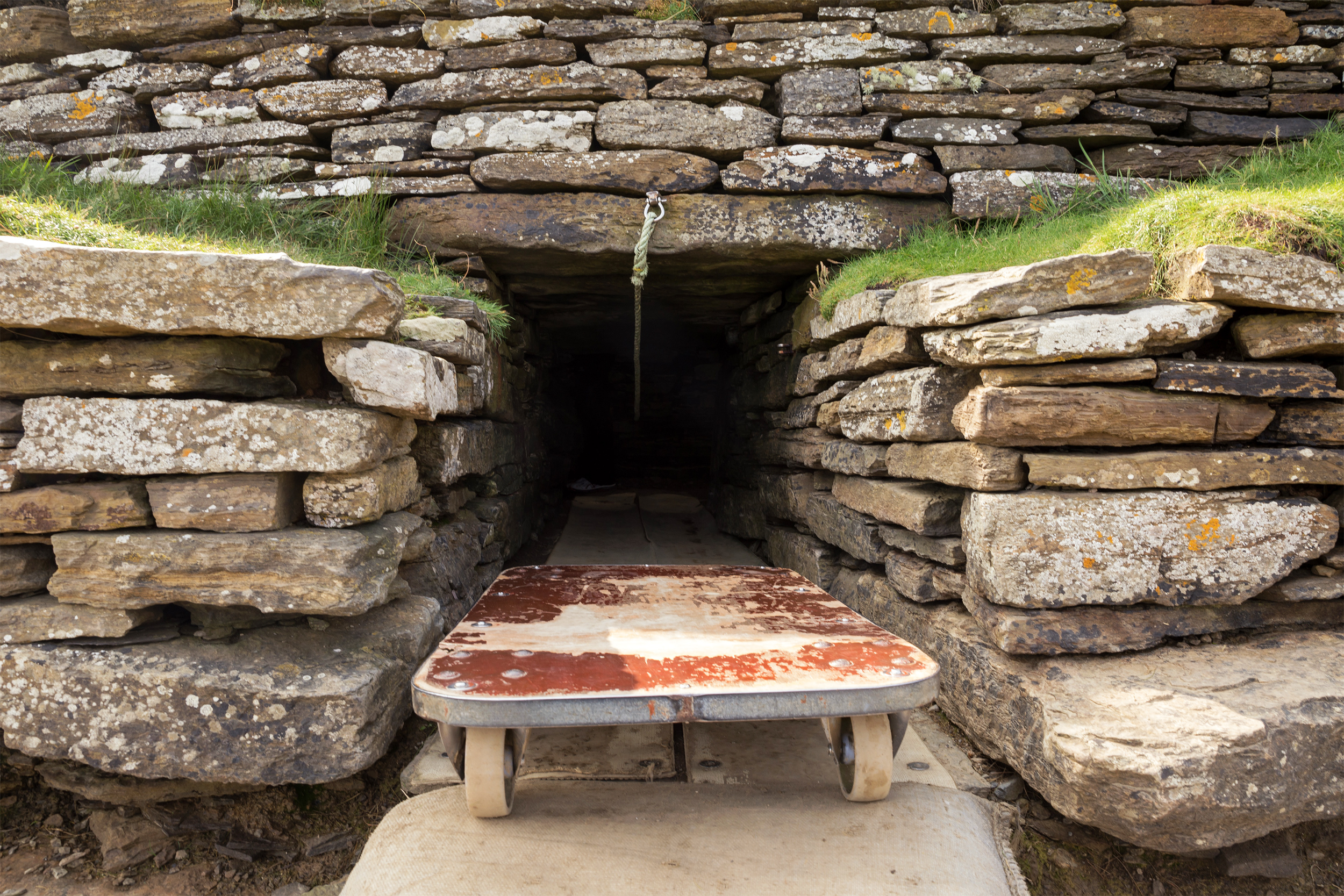
an entrance passage;
a central chamber;
smaller compartments;
and an outer cairn.
Collective Burial
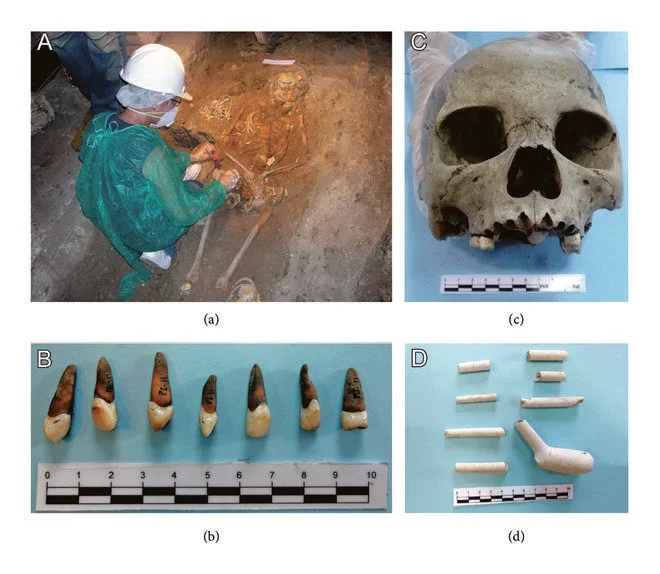
These tombs could contain the remains of multiple people.
The practice indicates that burial was often a communal process rather than simply an individual event.
People may have returned to the monument repeatedly over generations.
Architecture
The builders carefully selected large slabs and stones.
Some were used as:
roof slabs;
wall blocks;
dividing stones;
or structural supports.
The architecture required considerable planning.
The Tomb and the Landscape
The location of a chambered cairn was meaningful.
Prehistoric builders selected positions in relation to:
surrounding hills;
valleys;
coastlines;
and other monuments.
This suggests that the landscape itself formed part of the monument's meaning.
Mortuary Practices
The treatment of human remains could vary.
Bones might be placed or reorganized within chambers.
This suggests that Neolithic communities had complex relationships with the dead.
Daily Life Behind the Monument
The people who constructed Isbister were farmers.
Their communities cultivated crops and raised animals.
They also exploited Orkney's rich marine environment.
South Ronaldsay
South Ronaldsay occupies an important position within Orkney's prehistoric landscape.
The island is connected geographically and culturally with the wider archipelago.
Conclusion
Isbister Chambered Cairn: South Ronaldsay's Tomb demonstrates the sophistication of Neolithic funerary architecture.
The monument was more than a burial container.
It was a place where communities expressed ideas about ancestry, memory, identity, and their relationship with the landscape.