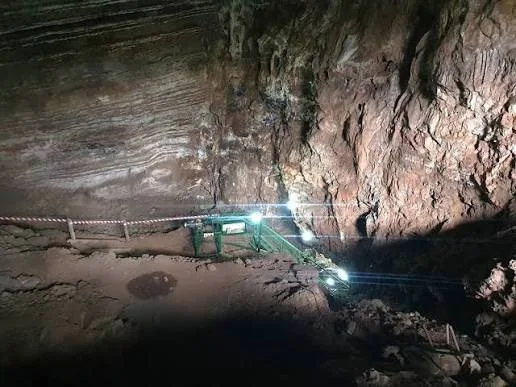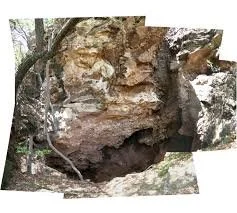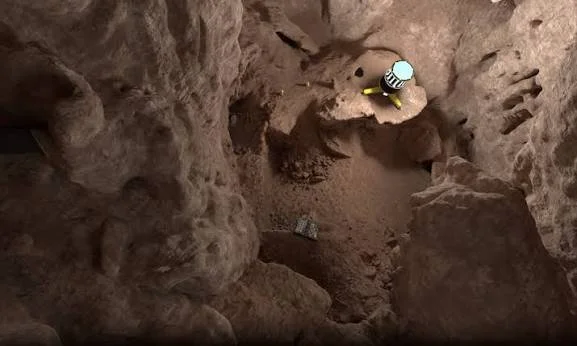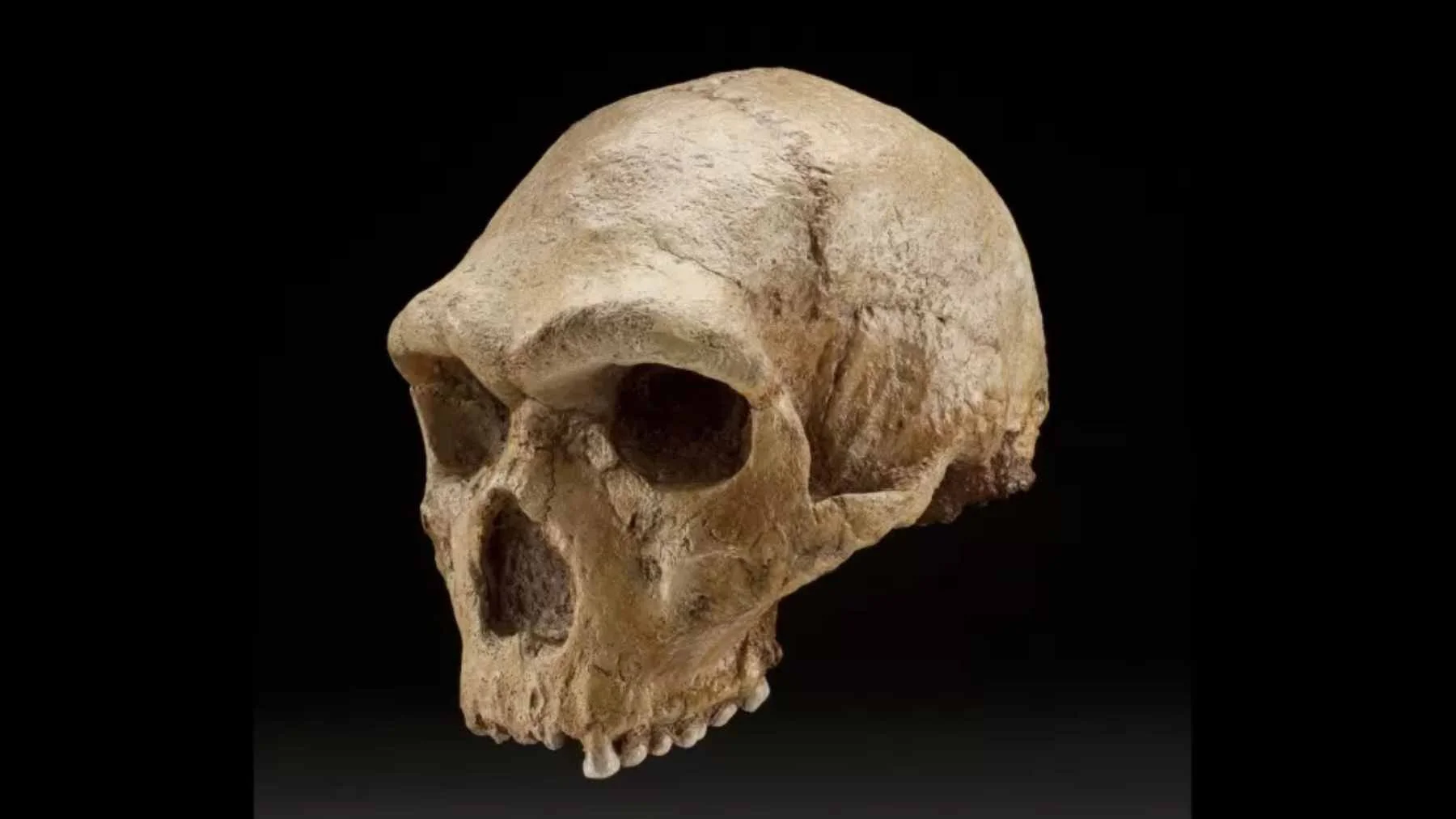
In the annals of European paleoanthropology, Petralona Cave in ancient Chalcidice has long held a controversial position due to the discovery of a complete, enigmatic hominin skull in 1960, classified variously as Homo heidelbergensis or an archaic Homo sapiens. In 2026, the prehistory of northern Greece faced a massive new development. During routine infrastructure excavations near the town of Kastelli, located just a few kilometers from the original Petralona site, a heavy downpour triggered a localized karst collapse, exposing a deeply buried, fossiliferous cave fissure.
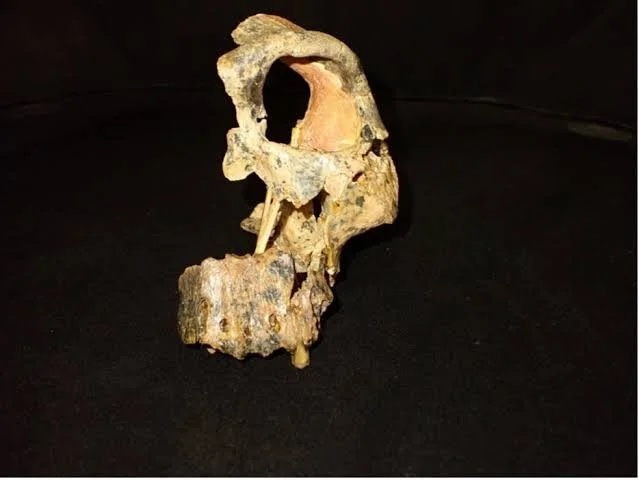
A team of paleoanthropologists dispatched to clear the site recovered a beautifully mineralized, nearly complete hominin right mandible. Dubbed the "Kastelli Petralona Mandible," this fossil represents one of the most significant paleoanthropological discoveries in the Balkans in the last fifty years. It provides definitive, empirical proof of early human migrations through the Mediterranean corridor during the Middle Pleistocene epoch.
The jawbone was found embedded within a dense, concrete-like red breccia matrix, closely associated with the fossilized teeth of extinct Pleistocene fauna, including Ursus deningeri (Deninger's bear) and Crocuta crocuta praespelaea (an archaic cave hyena). This faunal association provides a secure biostratigraphic date for the hominin fossil, placing it between 450,000 and 500,000 years old.
Anatomical analysis of the Kastelli jaw reveals a mosaic of primitive features that point to a robust Homo erectus lineage or an extremely early variant of Homo heidelbergensis. The corpus of the mandible is exceptionally thick and deep, designed to withstand immense biomechanical stress from chewing tough, unprocessed foods. There is an absolute absence of a mental prominence (a projecting chin), which is a diagnostic feature exclusive to modern Homo sapiens. Instead, the anterior face of the jaw slopes smoothly backward.
Preserved within the bone are three intact molar teeth (M1,M2,M3). The molars display an archaic "taurodont" condition—meaning the pulp cavities are significantly enlarged and the roots do not bifurcate until deep down, a trait that provided increased structural durability. The wear patterns on the enamel, analyzed using high-powered electron microscopy, show deep, microscopic striations caused by a diet heavy in fibrous vegetation, raw meat, and bone marrow.
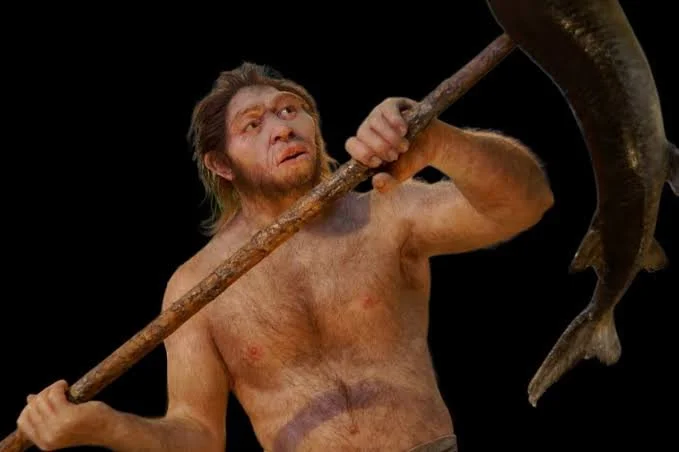
The Kastelli mandible is a vital piece of a continental puzzle. Its discovery confirms that the rugged river valleys of northern Greece functioned as a primary, continuous geographic corridor for early hominin populations migrating out of Africa and western Asia into western Europe, showing that the region was inhabited by hardy hominin species hundreds of thousands of years before our own species ever arrived.