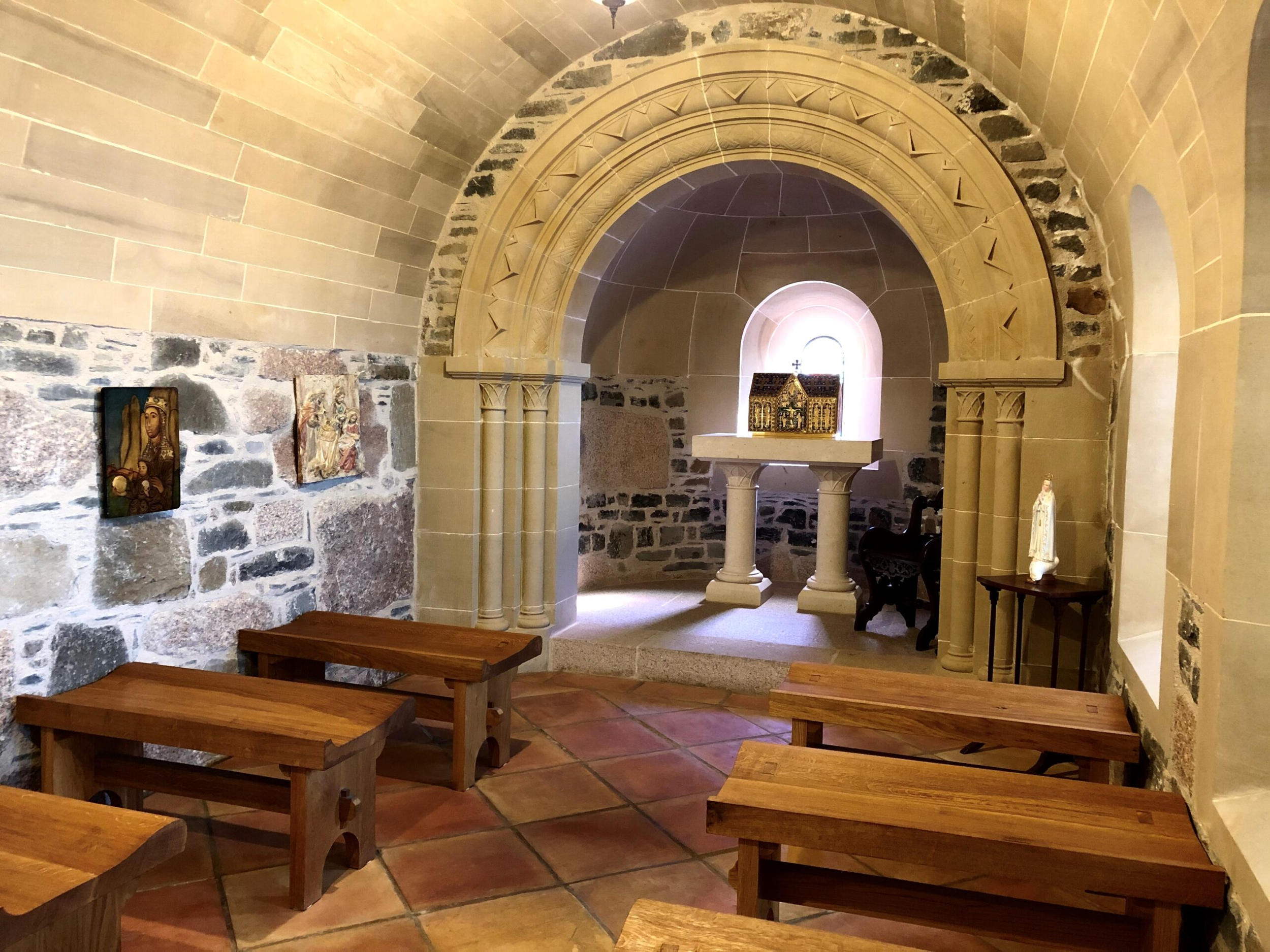
Kilchoan represents the type of small religious site that helps archaeologists reconstruct medieval life beyond Scotland's major monasteries and cathedrals.
Medieval chapels served communities that could be geographically isolated yet deeply connected to wider religious traditions.
Medieval Chapels in Scotland
A medieval chapel was generally smaller than a major parish church.
It could serve:
local communities;
estates;
pilgrimage routes;
burial grounds;
or remote settlements.
Religious Life in Argyll
Argyll's geography strongly influenced medieval religious organization.
The region contained:
islands;
sea lochs;
mountains;
peninsulas;
and scattered settlements.
Travel by sea could sometimes be easier than travel over land.
The Maritime Church
Religious communities in western Scotland were connected through maritime routes.
Monks, clergy, travelers, and pilgrims could move between islands and mainland communities by boat.
Architecture
Medieval chapels were often relatively simple structures.
Common architectural elements included:
stone walls;
narrow doorways;
small windows;
a simple rectangular plan;
and nearby burial grounds.
Even modest buildings could possess considerable spiritual importance.
Burial and Memory
Chapels were frequently associated with cemeteries.
Burial around a sacred building connected the living community with its ancestors.
Medieval Argyll and Clan Society
Religious sites could also become associated with local elites and clans.
Patronage of churches and chapels could reinforce political authority.
Archaeological Evidence
Even when only ruins survive, archaeologists can examine:
wall construction;
foundations;
graves;
carved stones;
pottery;
and landscape relationships.
These remains help reconstruct the site's history.
Conclusion
Kilchoan: Argyll's Medieval Chapel illustrates the importance of small religious buildings in medieval Scotland.
Such chapels remind us that medieval Christianity was experienced not only in famous monasteries but also in remote communities where worship, burial, identity, and local social life were closely intertwined.