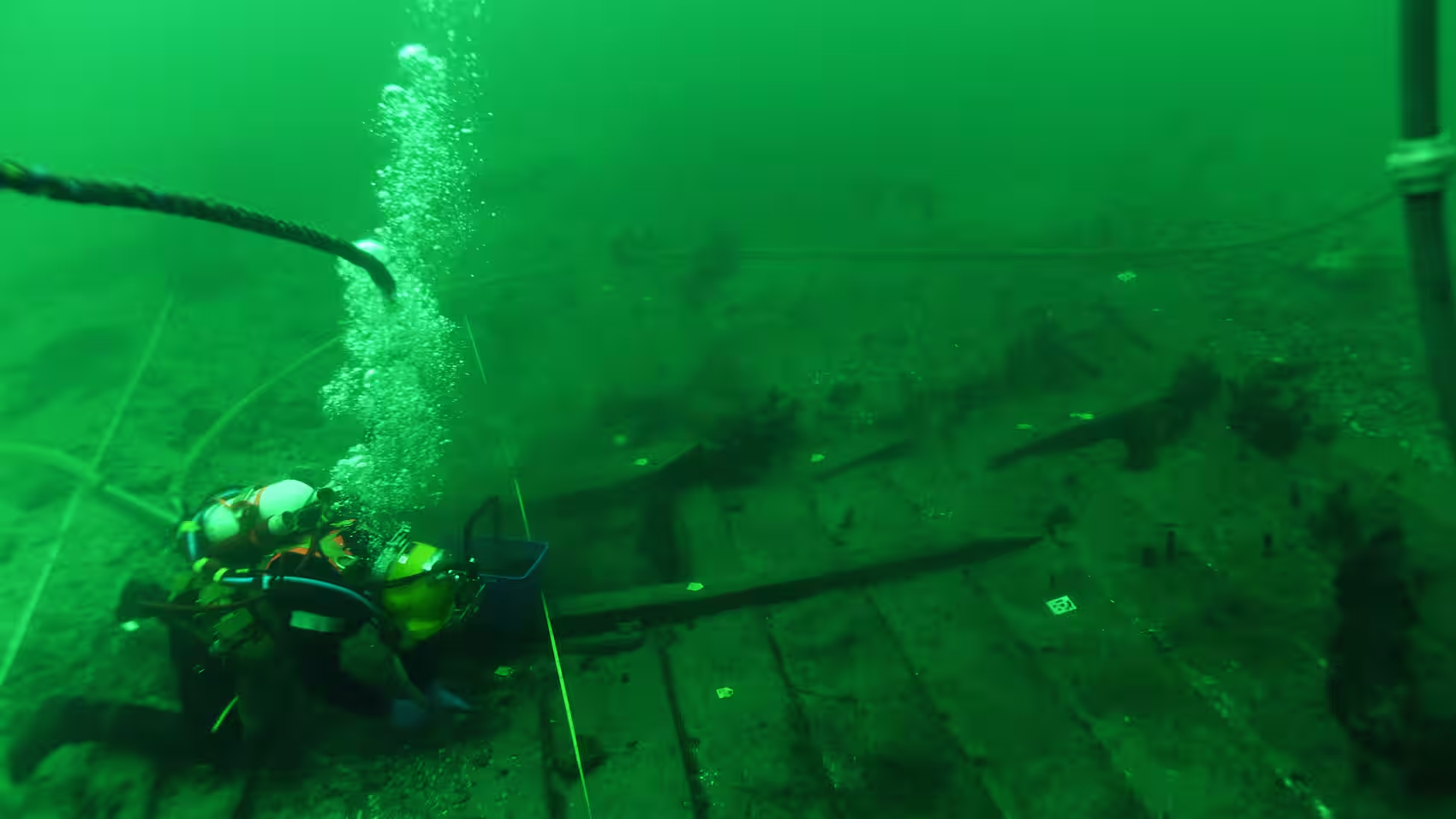
An extraordinary archaeological find has been uncovered off the coast of Copenhagen: a 600-year-old shipwreck now identified as the largest cog ship ever discovered. Researchers estimate that the vessel was capable of carrying as much as 300 tons of cargo, making it a significant landmark in maritime history.
The ship, named Svælget 2, lay untouched for around six centuries at a depth of 13 meters in the Øresund Strait. Marine archaeologists from the Viking Ship Museum in Roskilde, including Otto Uldum, expressed great enthusiasm over the discovery. Historian Cecilie Nielsen of DR TV described it as “the medieval equivalent of the Emma Maersk,” comparing it to today’s massive cargo ships.
An Exceptional Find
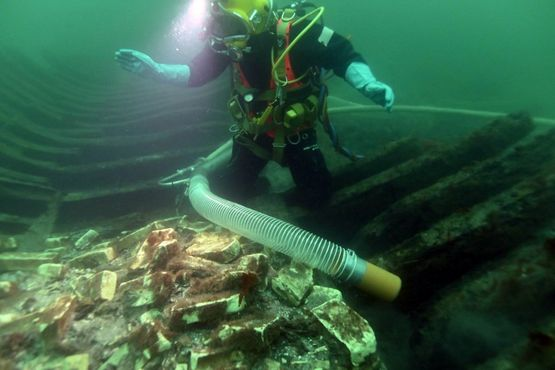
Excavating Svælget 2 required 289 dives conducted over more than two and a half years. Archaeologists were able to recover and study the ship’s hull, which remains remarkably intact from keel to deck due to the way it sank sideways in deep water. Such preservation is rare for medieval cogs, which are typically found in broken sections closer to shore.
The team also uncovered remains of the forecastle and aftcastle—small crew shelters—providing rare insight into shipbuilding techniques of the 15th century. Everyday objects such as shoes, a comb, a cooking pot, and a wooden tray were also found, offering glimpses into life aboard the vessel.
Designed for Trade
During the Middle Ages, cogs like Svælget 2 were widely used in Northern Europe and were well suited for long voyages with relatively small crews. Unlike earlier ships that mainly transported luxury goods in limited quantities, cogs allowed for the large-scale movement of materials such as timber, bricks, and food. Svælget 2 was constructed using planks imported from Poland, while its framework came from Dutch wood, reflecting the extensive trade connections of medieval Europe.
The ship measured about 28 meters long, nine meters wide, and six meters high. With an estimated cargo capacity of 300 tons, it stands as the largest cog ship found so far. According to Uldum, the vessel demonstrates how everyday goods were traded in large volumes and how merchants built increasingly bigger ships to transport them more efficiently.
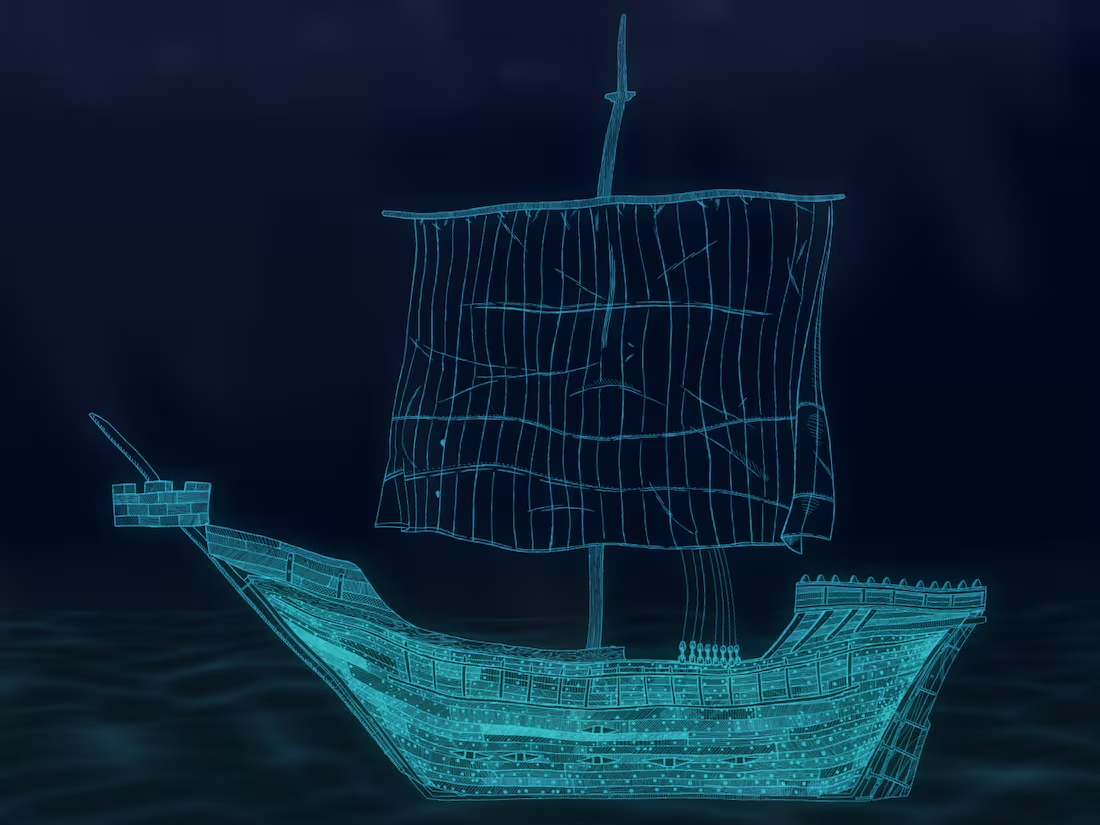
The world’s largest: At the bottom of the sea off Copenhagen, marine archaeologists from the Viking Ship Museum have excavated and recovered a massive medieval trading ship. It has now been identified as the largest of its kind ever found.
A Vessel Designed for Profit, Not Durability
Notably, Svælget 2 was never intended to endure for long periods. Archaeologists observed that many of its planks were of average quality, with some already cracked during the building process. Ships like this were constructed for rapid financial return, often earning back their cost after just one or two trips. Uldum pointed out that by the 15th century, ship construction, seafaring, and trade functioned as well-structured commercial enterprises, supported by organized financing systems that made such ventures profitable.
Cultural and Historical Importance
The discovery provides important insight into medieval Scandinavian seafaring life. The ship featured a stone-lined cooking area, suggesting that crew members were able to prepare warm meals on board—an uncommon detail rarely preserved in similar discoveries. In addition, the recovered objects and building methods offer a clear glimpse into commerce and everyday life in the Øresund area during the rule of Queen Margrethe I.
For Denmark, the find highlights the nation’s long-standing position within European trade routes. “The methods used to transport goods during the Middle Ages formed the basis of today’s logistics and trade systems in Northern Europe,” said Cecilie Nielsen. “It’s striking how these practices still echo in modern commerce, even though the goods themselves have changed.”
Preservation and Public Access
At present, the Svælget 2 shipwreck is undergoing careful conservation at the National Museum in Brede. At the same time, the Viking Ship Museum in Roskilde has launched a dedicated exhibition that highlights marine archaeology and showcases the vessel. The complex recovery process including the striking moment when the ship’s keel was cut and lifted was recorded in the DR TV documentary series Gåden i Dybet (“The Mystery in the Deep”), allowing audiences to see the detailed and demanding work involved in bringing the wreck to the surface.
This exceptional discovery not only deepens knowledge of medieval ship construction and commercial activity but also helps modern audiences connect with Denmark’s seafaring past, showing how centuries-old shipwrecks can still transform our understanding of history.