• MAIN PAGE
  • LATEST NEWS
    • Lost Cities
    • Archaeology's Greatest Finds
    • Underwater Discoveries
    • Greatest Inventions
    • Studies
    • Blog
  • PHILOSOPHY
  • HISTORY
  • RELIGIONS
    • Africa
    • Anatolia
    • Arabian Peninsula
    • Balkan Region
    • China - East Asia
    • Europe
    • Eurasian Steppe
    • Levant
    • Mesopotamia
    • Oceania - SE Asia
    • Pre-Columbian Civilizations of America
    • Iranian Plateau - Central Asia
    • Indus Valley - South Asia
    • Japan
    • The Archaeologist Editor Group
    • Scientific Studies
    • Aegean Prehistory
    • Historical Period
    • Byzantine Middle Ages
    • Predynastic Period
    • Dynastic Period
    • Greco-Roman Egypt
  • Rome
  • PALEONTOLOGY
  • About us
Menu

The Archaeologist

  • MAIN PAGE
  • LATEST NEWS
  • DISCOVERIES
    • Lost Cities
    • Archaeology's Greatest Finds
    • Underwater Discoveries
    • Greatest Inventions
    • Studies
    • Blog
  • PHILOSOPHY
  • HISTORY
  • RELIGIONS
  • World Civilizations
    • Africa
    • Anatolia
    • Arabian Peninsula
    • Balkan Region
    • China - East Asia
    • Europe
    • Eurasian Steppe
    • Levant
    • Mesopotamia
    • Oceania - SE Asia
    • Pre-Columbian Civilizations of America
    • Iranian Plateau - Central Asia
    • Indus Valley - South Asia
    • Japan
    • The Archaeologist Editor Group
    • Scientific Studies
  • GREECE
    • Aegean Prehistory
    • Historical Period
    • Byzantine Middle Ages
  • Egypt
    • Predynastic Period
    • Dynastic Period
    • Greco-Roman Egypt
  • Rome
  • PALEONTOLOGY
  • About us
No results found

The Rituals of the Ancient Druids

December 27, 2025

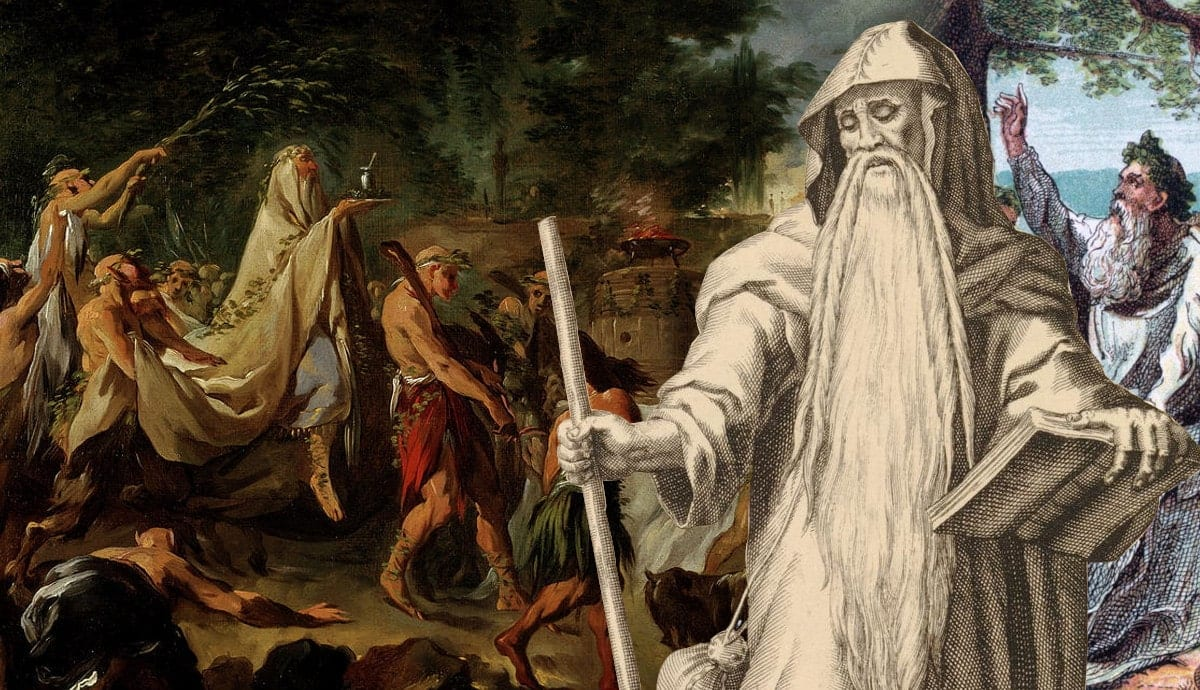
Druids were the intellectual and spiritual leaders of ancient Celtic societies. Serving as priests, judges, healers, and advisors, they held immense authority. Their rituals were deeply tied to nature, seasonal cycles, and sacred landscapes such as forests, rivers, and stone circles.

Much of what we know about druidic rituals comes from Roman writers, who described ceremonies involving offerings, chants, and astronomical observation. Druids believed that natural forces were alive and infused with spiritual power. Oaks, mistletoe, and fire were especially sacred elements in their ceremonies.

Although Roman conquest suppressed druidism, its influence endured through folklore and later Celtic traditions. Modern interpretations of druidic practices continue to inspire spiritual movements focused on nature reverence and ecological harmony.
← Massive Medieval Cog Ship Discovered off Denmark: The ‘Emma Maersk’ of the Middle AgesThe Lost Civilization of Tartessos →
Featured
image_2026-05-15_160951429.png
May 15, 2026
The Viking Hoards of Gotland: The Wealth of the Baltic Sea
May 15, 2026
Read More →
May 15, 2026
image_2026-05-15_160824048.png
May 15, 2026
Ancient Egyptian Canopic Jars: The Science of Organ Preservation
May 15, 2026
Read More →
May 15, 2026
image_2026-05-15_160729796.png
May 15, 2026
The Library of Ashurbanipal: The First Systematically Organized Collection
May 15, 2026
Read More →
May 15, 2026
image_2026-05-15_160702824.png
May 15, 2026
Roman Pottery: The Mass Production of Terra Sigillata
May 15, 2026
Read More →
May 15, 2026
image_2026-05-15_161100251.png
May 15, 2026
The Viking King Gorm the Old: The Jelling Stones and Danish Identity
May 15, 2026
Read More →
May 15, 2026
image_2026-05-15_160305875.png
May 15, 2026
Ancient Maya Astronomy: The Alignment of the Caracol at Chichen Itza
May 15, 2026
Read More →
May 15, 2026
read more

Powered by The archaeologist