Ancient Healing Beyond Expectations
Modern medicine often feels like a recent achievement, built on centuries of scientific discovery and technological innovation. Yet archaeological evidence continues to challenge this assumption. Long before hospitals, anesthesia, or advanced tools, ancient societies were already performing complex medical procedures—including brain surgery.
One of the most striking examples is trepanation, a surgical practice dating back thousands of years. Evidence from the Bronze Age shows that people were drilling or cutting holes into the skull—and remarkably, many patients survived.
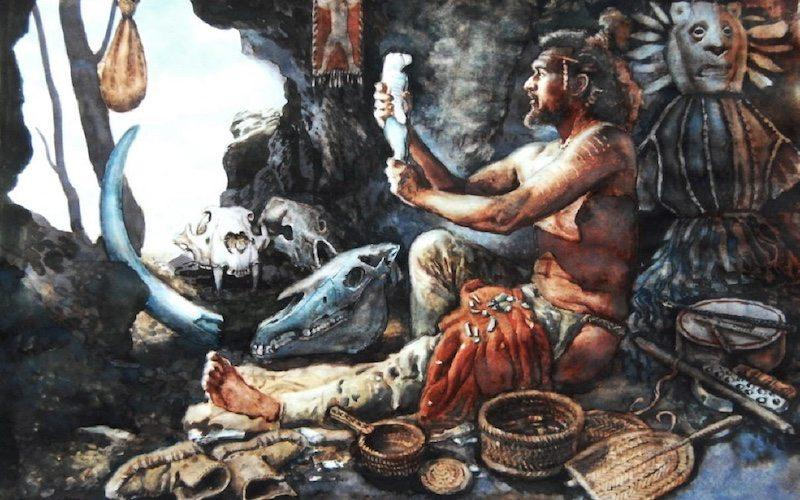
What Is Trepanation?
Trepanation is a procedure that involves removing a section of the skull. It may sound extreme by modern standards, but it was surprisingly widespread across different regions and cultures.
Archaeologists have discovered skulls with carefully cut openings, often showing signs of healing around the edges. This healing indicates that patients survived the procedure—sometimes for years afterward.
Why Perform Brain Surgery?
The exact reasons for trepanation are still debated, but several theories have been proposed:
Medical treatment: It may have been used to relieve pressure from head injuries or swelling
Spiritual beliefs: Some cultures believed illness was caused by evil spirits, which could be released through the skull
Ritual practices: The procedure may have held symbolic or ceremonial significance
It is likely that trepanation served multiple purposes, blending practical medicine with spiritual belief systems.
Tools and Techniques
Without modern surgical instruments, Bronze Age practitioners relied on simple tools made from stone, bronze, or bone.
These tools were used to:
Scrape away layers of bone
Drill small holes gradually
Cut circular sections with precision
Despite their simplicity, these methods required skill, patience, and knowledge of anatomy.
Evidence of Survival
One of the most remarkable aspects of trepanation is the survival rate. Many skulls show clear signs of healing, meaning the individual lived long enough for the bone to begin regenerating.
This suggests that practitioners:
Avoided damaging critical areas of the brain
Had some understanding of wound care
Possibly used natural substances to prevent infection
Early Medical Knowledge
Trepanation demonstrates that ancient people were not simply experimenting blindly. Instead, they developed techniques based on observation and experience.
They likely learned:
Which injuries required intervention
How to perform procedures safely
How to care for patients afterward
The Human Element
Beyond the technical aspects, trepanation reveals something deeply human—the desire to heal and help others.
Even without modern knowledge, these early practitioners took significant risks in an attempt to save lives or improve well-being.
A Legacy of Innovation
Trepanation continued in various forms for thousands of years, influencing later medical practices. While modern neurosurgery is far more advanced, it builds on the same fundamental idea: that the brain can be treated through surgical intervention.
Rethinking Ancient Medicine
The evidence of successful brain surgery in the Bronze Age forces us to reconsider assumptions about early societies. Far from being primitive, they possessed knowledge and skills that were surprisingly advanced.
Healing Across Time
Ultimately, trepanation is more than a medical procedure—it is a testament to human curiosity, resilience, and compassion. It shows that even in the distant past, people were driven by the same goal that guides medicine today: the desire to heal.