The Price of Beauty
In the ancient world, beauty was often associated with status and sophistication. In Ancient Rome, cosmetics played a major role in achieving the ideal appearance—but many of these products came with serious health risks.
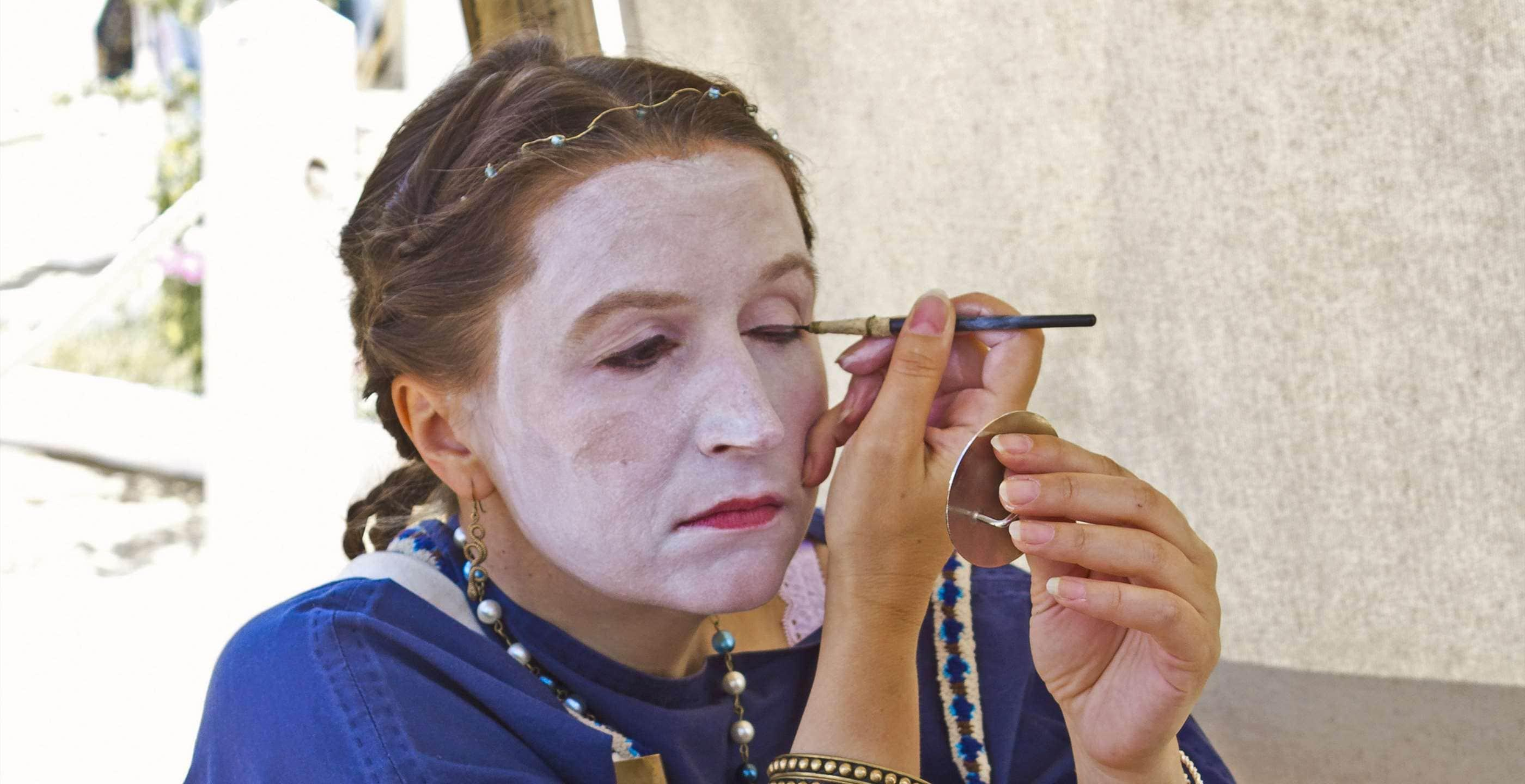
The Pursuit of Perfection
Roman beauty standards favored pale skin, which symbolized wealth and leisure. To achieve this look, many people used powders and creams containing lead.
Lead-based cosmetics were effective in creating a smooth, white complexion—but they were also highly toxic.
Hidden Dangers
Prolonged use of these products could lead to:
Skin damage
Hair loss
Neurological problems
Despite these risks, the desire for beauty often outweighed concerns about health.
A Culture of Appearance
Cosmetics were widely used by both women and men. Grooming was an important part of daily life, and appearance played a key role in social interactions.
Beauty routines included:
Skin treatments
Hair styling
Fragrances
Luxury and Status
Many cosmetic products were expensive, making them symbols of wealth. High-quality ingredients were imported from across the empire, further linking beauty to global trade.
Knowledge Without Science
While Romans were aware that some substances could be harmful, they lacked the scientific understanding to fully grasp the dangers of lead and other toxic materials.
Lessons from the Past
The use of toxic cosmetics in ancient Rome highlights the risks of prioritizing appearance over health. It also serves as a reminder of how far modern science has advanced in understanding safety.
Beauty Through History
Despite its dangers, Roman cosmetics reveal much about the culture and values of the time. They show how beauty, identity, and status were deeply interconnected.