Textile production in the ancient world depended on a wide range of plant, animal, and mineral resources. Although surviving textiles provide direct evidence of weaving and fiber technology, many fabrics have deteriorated because of moisture, soil chemistry, microorganisms, and other environmental processes. Microfossils and microscopic biological traces can offer additional ways to investigate textile production, including the possible use of insects and insect-derived materials. Silk is the most familiar example of an insect-produced textile fiber, but the broader archaeological study of insects also includes evidence of textile pests, fiber processing environments, and the ecological relationships associated with ancient craft production.
Silk is produced by certain insect larvae, most notably the domesticated silkworm associated with Bombyx mori. The larvae produce protein-based filaments that can be processed into threads and woven into fabric. Archaeological evidence for silk may include preserved fibers, impressions on other materials, protein residues, or fragments of textiles recovered from favorable burial environments. However, silk does not normally leave a distinctive fossil record in the same way that hard insect remains may survive. Researchers must therefore distinguish between direct evidence of silk fibers and indirect evidence that insects or insect-related materials were present at an archaeological site.
Microfossils are microscopic remains or structures that can survive after the original organism has disappeared. In archaeological research, they may include pollen, phytoliths, diatoms, fungal structures, and fragments of insect exoskeletons. Their relevance to textile studies depends on the particular material being investigated. For example, insect fragments recovered from a storage area might indicate the presence of insects that infested textiles or other stored goods. However, the identification of an insect fragment does not automatically establish that silk was manufactured or stored at the site. Many insects inhabit buildings for reasons unrelated to textile production.
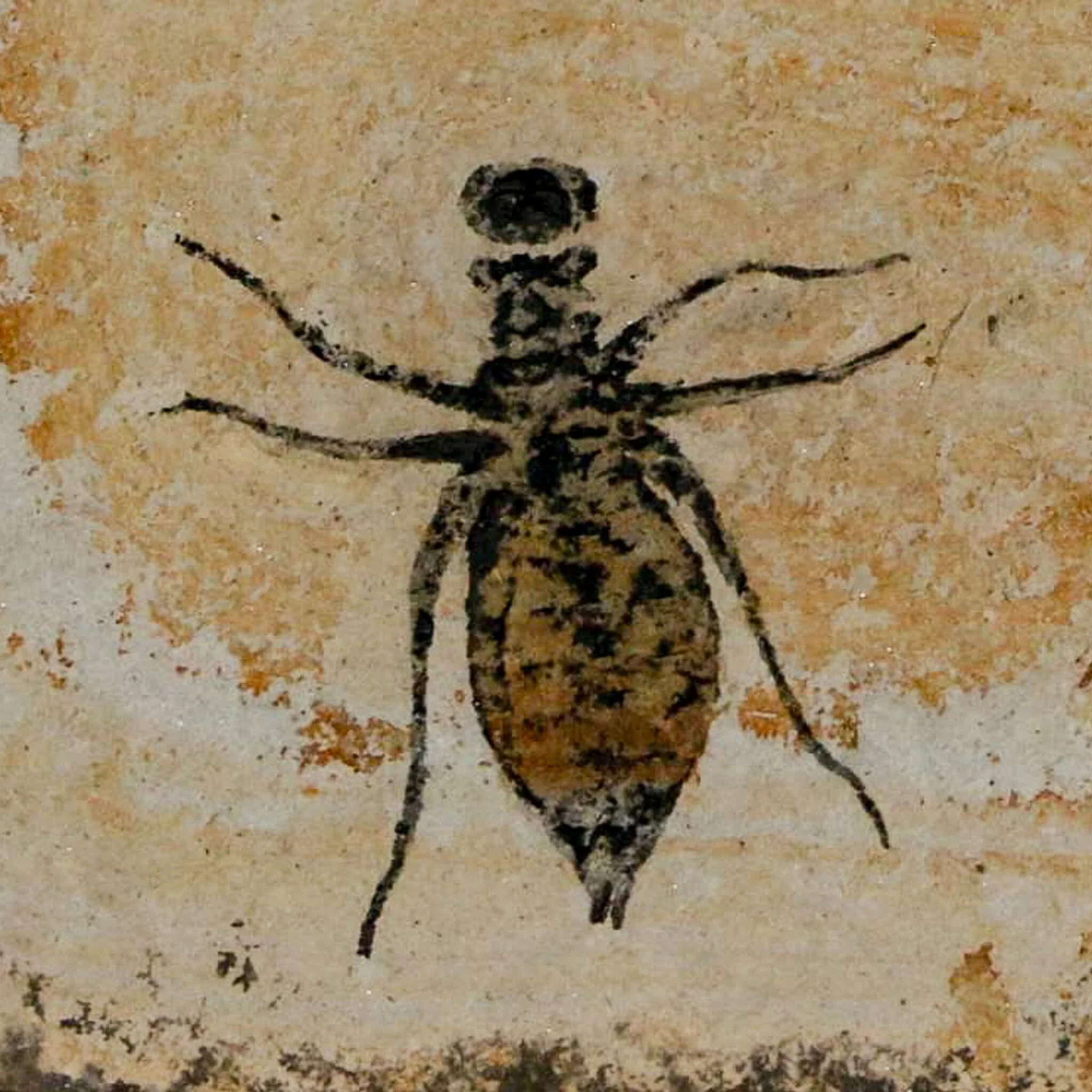
Insect remains can be studied through microscopic examination of their physical structures. Features of the head, legs, wings, body segments, or mouthparts may help researchers identify an insect to a broad taxonomic group or, when preservation is sufficient, to a more specific level. Such identifications can contribute to understanding past environments and human activities. Textile pests, for example, may be associated with the storage of wool, animal skins, feathers, or other organic materials. Their presence could suggest that textiles or related products were stored in a particular location, although the exact material affected may remain uncertain.
The archaeological study of silk requires methods that can distinguish its protein-based fibers from other organic materials. Microscopy can reveal fiber shape, surface characteristics, and structural patterns, while advanced analytical techniques may help identify protein signatures. Proteomic analysis examines proteins and their characteristic molecular fragments, potentially allowing researchers to investigate whether a preserved sample contains evidence consistent with silk. Results must be compared with reference materials and evaluated for contamination. Soil organisms, conservation products, handling, and later biological activity can all complicate the identification of ancient organic residues.
Evidence for textile production can also be reconstructed from the wider craft environment. Spindle whorls, loom weights, needles, weaving tools, dyeing installations, and concentrations of textile fibers may indicate that yarn and fabric were produced or handled at a site. The interpretation becomes stronger when several forms of evidence occur together. Nevertheless, textile tools were often portable, and a spindle whorl could have been used in domestic production rather than a specialized workshop. Similarly, the absence of weaving equipment does not prove that textiles were absent, since finished cloth could have been imported or tools could have been made from perishable materials.
Microfossils associated with plants can provide useful information about textile fibers beyond silk. Flax and other fiber-producing plants may leave pollen, seeds, or phytoliths in archaeological deposits, although these indicators rarely prove that a particular plant was processed into cloth. Researchers may examine retting areas, where plant stems were soaked to separate fibers, or investigate deposits associated with fiber preparation. Pollen and plant remains can help reconstruct the local vegetation and the availability of potential textile resources. Yet these remains must be distinguished from evidence of food production, natural plant growth, and other activities that could have brought similar materials into the archaeological context.
The ecological relationships between insects and textile production are also important. Insects may have provided useful fibers, damaged stored materials, or been attracted to organic waste associated with craft activities. Some insects are associated with particular plants or habitats, which can help researchers reconstruct the environmental setting of a production site. However, ecological associations should not be confused with direct evidence of human use. An insect species found in a textile workshop may have entered the building naturally, while a species commonly associated with stored fabrics may have occupied the site after its original use had ended.
Preservation conditions strongly influence what archaeologists can discover. Dry caves, arid settlements, frozen environments, waterlogged deposits, and certain sealed structures may preserve organic fibers or insect remains that would disappear elsewhere. Differences in preservation can create misleading patterns in the archaeological record. A site with no surviving textile fibers may nevertheless have supported extensive textile production, while another site may preserve abundant fibers simply because its environmental conditions were unusually favorable. Researchers must therefore interpret the quantity of surviving evidence in relation to the conditions under which it was buried.
Microfossil research can expand the understanding of ancient textile technologies by connecting biological evidence with tools, fibers, residues, and archaeological contexts. In the case of silk, the strongest conclusions generally require direct fiber or molecular evidence rather than the presence of insects alone. Other microfossils can help reconstruct textile-related environments, the use of plant resources, and the challenges of storing organic materials. By combining microscopy, chemical analysis, archaeological excavation, and environmental reconstruction, researchers can investigate the complex relationship between insects, fibers, and human craftsmanship while carefully distinguishing direct evidence from plausible interpretation.