Introduction
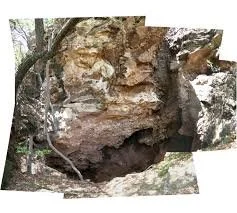
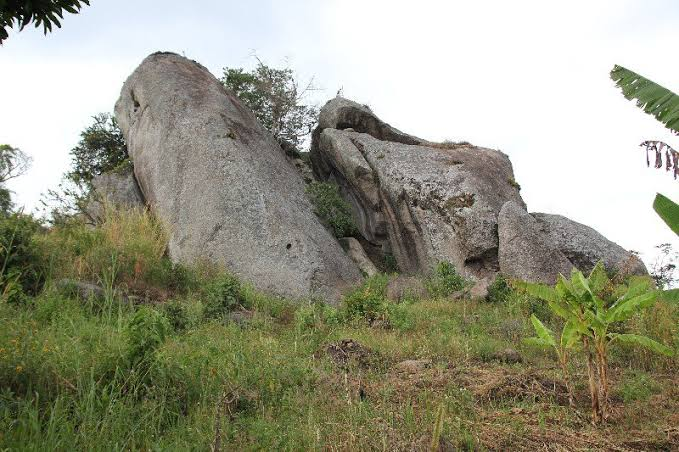
In the fertile, rolling grasslands of western Uganda, the monumental site of Munsa Earthworks stands as one of the most imposing and sophisticated feats of prehistoric military and civic engineering in East Africa. Flourishing primarily between the 14th and 16th centuries CE, this expansive complex features a series of massive, concentric deep-ditch networks cut directly into the rugged ironstone bedrock, encircling a prominent granite hill known as Bikekete. For generations, regional colonial administrators and early Eurocentric historians viewed these immense earthworks as anomalous mysteries, alternatively attributing them to lost foreign travelers or dismissing them as simple, temporary cattle enclosures built by disorganized tribal groups.
The historical consensus was completely revised by systematic modern excavations and spatial mapping, which revealed Munsa as the political heart of a highly centralized, powerful Iron Age polity that operated as a major precursor to the historical interlacustrine kingdoms of Bunyoro-Kitara and Buganda.
Bedrock Engineering and the Centralized State
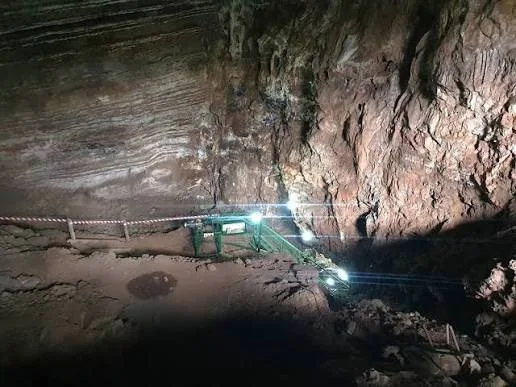
The physical construction of the Munsa Earthworks required an extraordinary mobilization of human labor and centralized engineering coordination. The system consists of three concentric ditch networks, labeled Trenches A, B, and C, which span a combined length of over five kilometers. The largest trenches measure up to seven meters wide and nearly five meters deep, cut directly through hard volcanic ironstone. The sheer volume of rock and earth excavated by hand using basic iron picks totals tens of thousands of cubic meters, a feat that could only be achieved by a highly organized state capable of commanding and feeding a large, dedicated labor force over several decades.
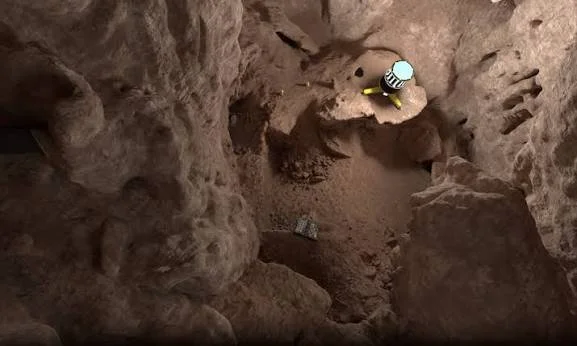
Meticulous excavations within the central core of the earthworks—particularly around the protected inner enclave of Bikekete Hill—uncovered a rich material and bioarchaeological record that maps the socio-economic life of this ancient capital. Archaeologists identified extensive iron-smelting furnaces, complete with large deposits of slag and tuyère (clay pipe) fragments, proving that Munsa was a primary regional center for industrial iron mass production.
The discovery of massive, deep refuse pits (middens) filled with thousands of domestic cattle bones alongside charred sorghum and finger millet grains demonstrates a highly successful pastoral-agricultural economy that supported a dense, permanent urban population.
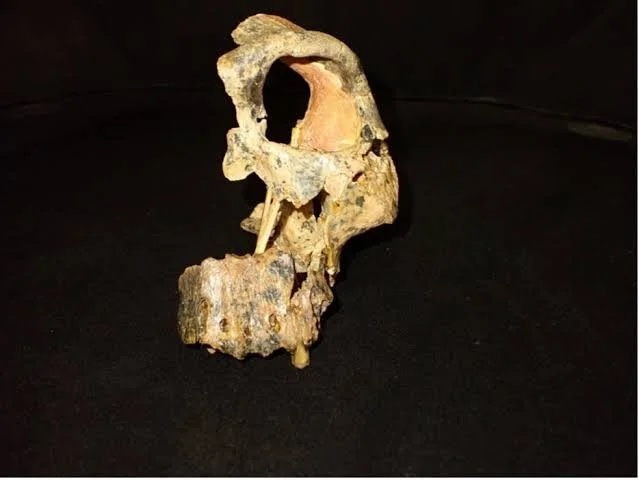
Crucially, bioarchaeological analysis of human skeletons excavated from formal burials within the inner ditch revealed high-status individuals adorned with elaborate glass beads and polished iron jewelry. The absence of defensive walls or palisades along the outer ditches suggests that these massive networks functioned not just as military defensive moats against regional rivals, but as highly potent symbolic boundaries designed to control access to the sacred, elite political core of the kingdom, establishing a permanent spatial hierarchy that defined the region's earliest state societies.
Conclusion
The engineering and archaeological unmasking of the Munsa Earthworks fundamentally alters our understanding of the complexity of pre-colonial East African civilizations. It proves that centuries before European contact, the Great Lakes region was home to independent, highly sophisticated states capable of executing monumental infrastructure projects that permanently altered the landscape.
The industrial-scale iron production and massive cattle wealth managed within these bedrock ditches demonstrate a highly resilient socio-economic system that successfully unified diverse agricultural and pastoral populations under a centralized authority. Today, the enduring trenches of Munsa stand as a powerful monument to early African civil engineering, revealing a deeply organized, technologically advanced civilization whose structural innovations paved the way for the historic kingdoms of Uganda