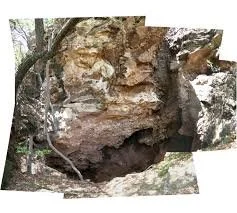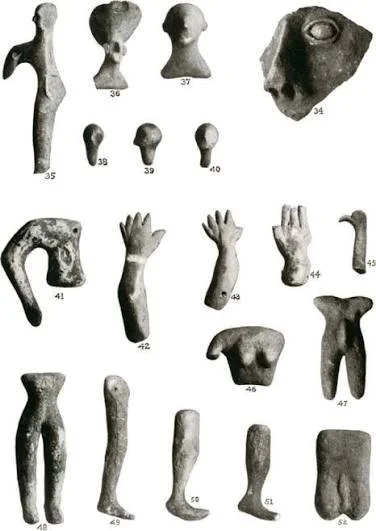
At the absolute eastern tip of Crete, the isolated mountain summit of Petsophas looms directly over the sprawling Bronze Age coastal town of Palekastro. During the Protopalatial and Neopalatial eras, Petsophas served as one of the most active peak sanctuaries on the island. While past excavations focused heavily on the recovery of human and animal terracotta votive figurines, recent field campaigns have prioritized a meticulous, multi-year recovery and analysis of the site's massive, deeply stratified faunal bone beds.
Led by a specialized team of zooarchaeologists, this project has analyzed tens of thousands of highly fragmented, calcined animal bones recovered from the deep rock clefts and ash altars of the summit. This faunal assembly provides a clear, unvarnished look at the exact mechanics of Minoan sacrificial practices and communal dining rituals, showing how the elite managed public gatherings to forge a unified regional identity.
The overwhelming statistical majority of the animal bones—surpassing 92 percent of the total recovered sample—belong to young domestic artiodactyls, specifically sheep (Ovis aries) and goats (Capra hircus). Through careful microscopic analysis of the bone surfaces, researchers identified distinct, repetitive tool marks left by heavy bronze butchery cleavers and fine slicing blades. These marks show a highly standardized process: the animals were slaughtered at the base of the mountain or upon arrival at the terrace, then efficiently skinned, dismembered, and portioned out.
A critical discovery lies in the specific anatomical distribution of the surviving bone elements. The ash layers surrounding the central rock altar contain a disproportionately high concentration of skull fragments, jawbones, and the lower extremities of the legs—parts of the animal that carry little to no meat. Conversely, the dense, unburned refuse pits flanking the sanctuary terraces are packed with meat-heavy limb bones, such as femurs and humeri, which bear clear evidence of having been boiled or roasted over large open hearths.
This distribution reveals the exact ritual logic of Minoan sacrifice. The gods were given the symbolic, smoke-producing elements—the fat-wrapped bones and skull—which were burned to ash on the high altar so the sweet-smelling smoke could ascend into the sky. The nutritious, meat-heavy portions were kept by the human community. The scale of the refuse pits indicates that hundreds of people participated in massive, synchronized public banquets on the mountaintop.
By consuming meat—a luxury food source in the Bronze Age—in a shared, sacred space high above their daily fields, the citizens of Palekastro participated in a powerful ritual of social cohesion. The peak sanctuary was not just a place of quiet, private prayer; it was a highly organized communal kitchen and assembly venue where religious feasting was systematically deployed to ease social friction and reinforce the authority of the local elite.