Redefining History: The Truth Behind the Whydah Gally’s Akan Gold
For centuries, historical accounts of 18th-century trade were stained by European accusations of dishonesty against West African merchants. However, a groundbreaking study published in Heritage Science is finally setting the record straight, using the sunken treasures of the Whydah Gally to debunk long-standing myths about "counterfeit" African gold.
The Ill-Fated Voyage of the Whydah Gally
In early 1717, the notorious pirate Samuel "Black Sam" Bellamy captured the Whydah Gally—an English galley originally built for the slave trade—near the Bahamas. The ship was laden with a diverse cargo of rum, spices, and precious metals.
The triumph was short-lived. Just weeks later, a violent storm off the coast of Massachusetts sent the ship to the ocean floor. The wreck remained hidden until 1984, when underwater archaeologist Brandon Clifford discovered the site off Cape Cod. Since then, over 200,000 artifacts have been recovered, offering a raw, unfiltered look into a global economy fueled by both commodities and human suffering.
Deconstructing the "Fraud" Narrative
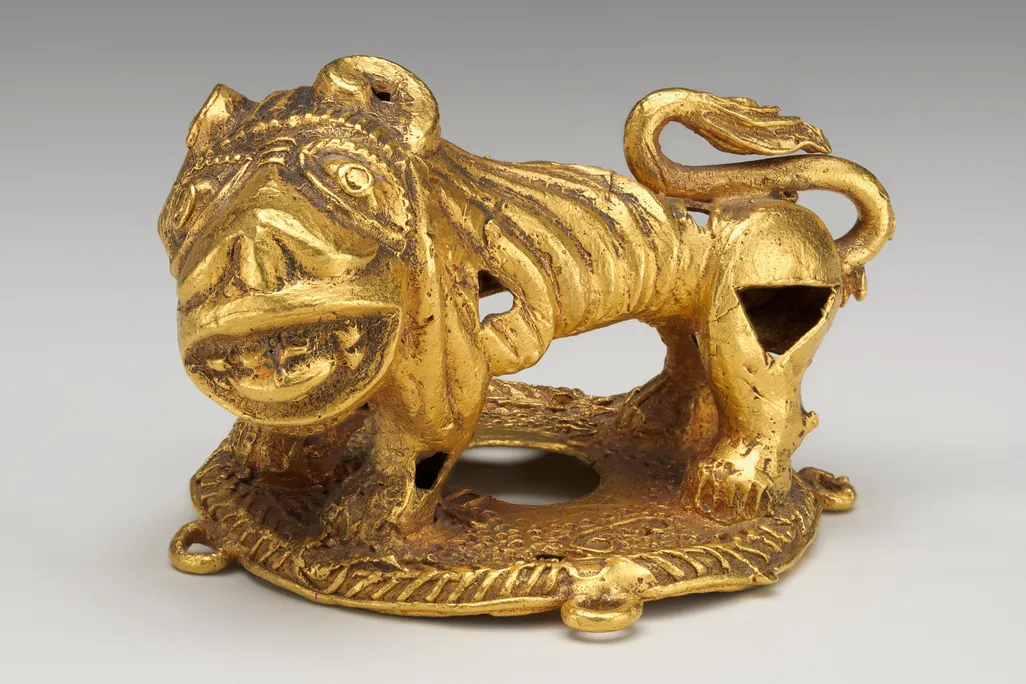
European trade records from the 1700s are filled with warnings about West African "fraud." Traders frequently accused the Akan people of the Gold Coast (modern-day Ghana) of diluting their gold with sand, iron, or bronze to cheat their European counterparts.
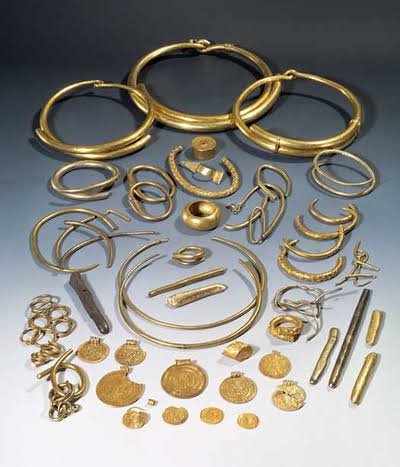
To investigate these claims, researchers utilized specialized X-ray technology to analyze several dozen gold artifacts recovered from the wreck. The results tell a story of high-quality craftsmanship rather than deception:
Purity Levels: The items were found to be between 73.5% and 96.7% gold.
Natural Composition: The presence of silver, copper, and iron in the samples matched the chemical "fingerprint" of raw ore from the Ashanti Gold Belt.
Scientific Verdict: The "adulterated" materials Europeans complained about were actually natural impurities found in raw gold ore, not intentional fillers.
A Mirror to 18th-Century Change
The early 1700s was a era of massive transformation in West Africa, marked by the rise of a powerful merchant class and the formation of the Asante Kingdom.
Lead author Tobias Skowronek, a geochemist at the University of Bonn, suggests that the rumors of cheating were likely "nonsense." Instead, these accusations may have been a tool used by Europeans to justify deep-seated distrust or to gain leverage in trade negotiations.
Why Gold Endures
One reason these artifacts remain so well-preserved after three centuries underwater is gold's unique chemical nature: it does not corrode or tarnish. This resilience has allowed scientists to peer back in time and correct a historical narrative that was skewed by prejudice for over 300 years.
What’s Next? The research team plans to expand their study by testing South and Central American gold and silver. They hope to determine if the Akan people were utilizing materials from as far away as Brazil, which would further highlight the incredible reach of West African trade networks during the 18th century.