• MAIN PAGE
  • LATEST NEWS
    • Lost Cities
    • Archaeology's Greatest Finds
    • Underwater Discoveries
    • Greatest Inventions
    • Studies
    • Blog
  • PHILOSOPHY
  • HISTORY
  • RELIGIONS
    • Africa
    • Anatolia
    • Arabian Peninsula
    • Balkan Region
    • China - East Asia
    • Europe
    • Eurasian Steppe
    • Levant
    • Mesopotamia
    • Oceania - SE Asia
    • Pre-Columbian Civilizations of America
    • Iranian Plateau - Central Asia
    • Indus Valley - South Asia
    • Japan
    • The Archaeologist Editor Group
    • Scientific Studies
    • Aegean Prehistory
    • Historical Period
    • Byzantine Middle Ages
    • Predynastic Period
    • Dynastic Period
    • Greco-Roman Egypt
  • Rome
  • PALEONTOLOGY
  • About us
Menu

The Archaeologist

  • MAIN PAGE
  • LATEST NEWS
  • DISCOVERIES
    • Lost Cities
    • Archaeology's Greatest Finds
    • Underwater Discoveries
    • Greatest Inventions
    • Studies
    • Blog
  • PHILOSOPHY
  • HISTORY
  • RELIGIONS
  • World Civilizations
    • Africa
    • Anatolia
    • Arabian Peninsula
    • Balkan Region
    • China - East Asia
    • Europe
    • Eurasian Steppe
    • Levant
    • Mesopotamia
    • Oceania - SE Asia
    • Pre-Columbian Civilizations of America
    • Iranian Plateau - Central Asia
    • Indus Valley - South Asia
    • Japan
    • The Archaeologist Editor Group
    • Scientific Studies
  • GREECE
    • Aegean Prehistory
    • Historical Period
    • Byzantine Middle Ages
  • Egypt
    • Predynastic Period
    • Dynastic Period
    • Greco-Roman Egypt
  • Rome
  • PALEONTOLOGY
  • About us

The Lost Legions of Varus: Finding the Site of the Teutoburg Forest Disaster

April 21, 2026

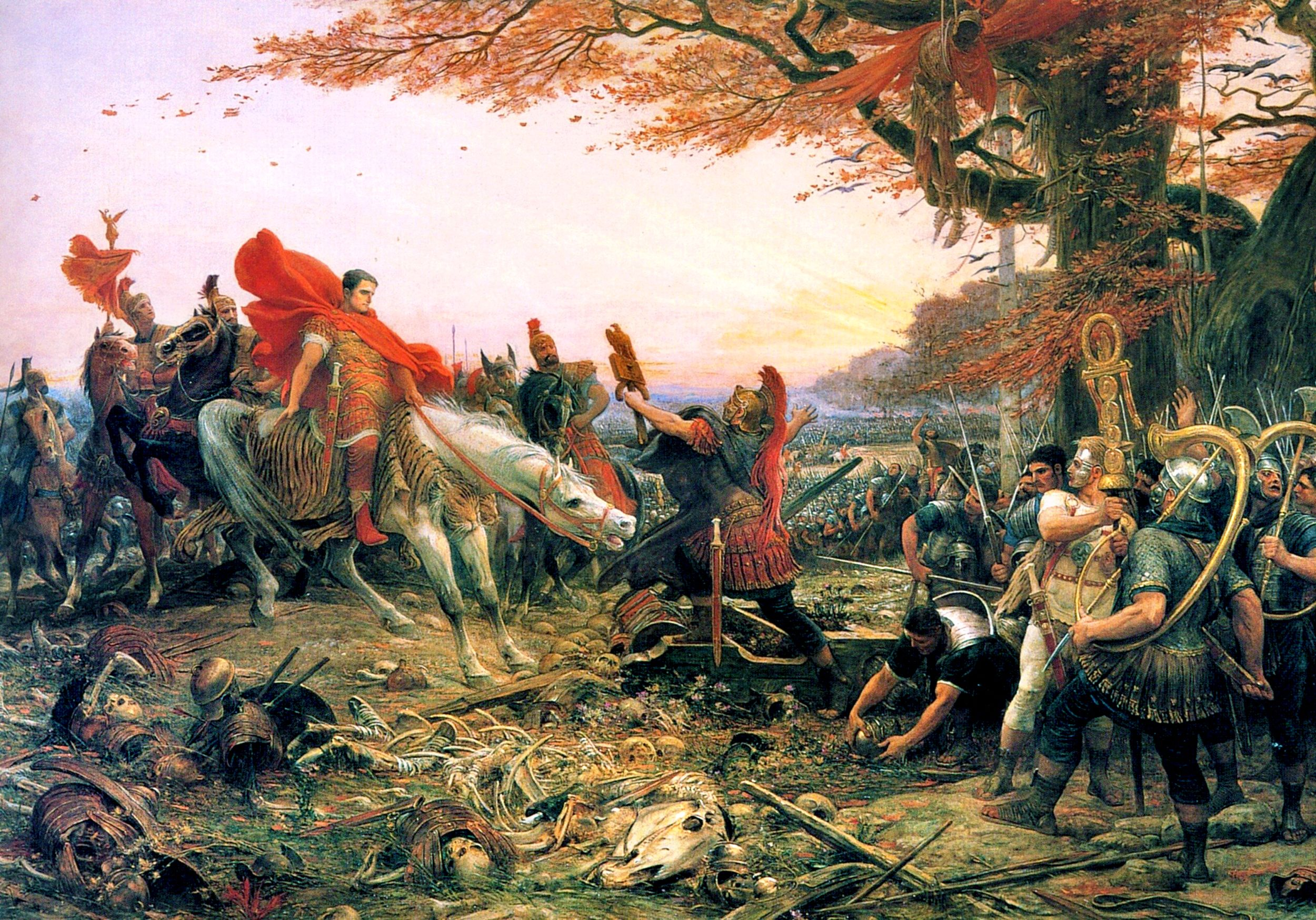
One of the most devastating defeats in Roman history occurred in 9 CE during the Battle of the Teutoburg Forest. In this battle, three Roman legions led by Publius Quinctilius Varus were ambushed and destroyed by Germanic tribes under the leadership of Arminius.

The battle took place in a dense forest in what is now modern-day Germany. The Roman army, unprepared for guerrilla warfare and unfamiliar with the terrain, was trapped and systematically attacked over several days. The defeat was so severe that it halted Roman expansion into Germania permanently.

For centuries, the exact location of the battlefield remained unknown. Ancient sources provided only vague descriptions, making it difficult for historians to pinpoint the site. However, in the late 20th century, significant discoveries were made near Kalkriese.

Archaeologists uncovered Roman coins, weapons, armor, and other artifacts in the area, suggesting it was part of the battlefield. The distribution of these items supports the theory that Roman forces were ambushed along a narrow route between a forest and a swamp.

Further excavations revealed defensive structures believed to have been built by Germanic forces. These findings align with historical accounts describing how Arminius used the terrain to his advantage, trapping the Roman legions.

The discovery at Kalkriese is widely accepted as the most likely location of the battle, though some debate remains. Archaeologists continue to study the site, using modern techniques to better understand the events that took place.

The loss of the legions had a profound impact on the Roman Empire. Emperor Augustus was reportedly devastated, allegedly exclaiming, “Varus, give me back my legions!” The defeat led Rome to adopt a more defensive strategy, focusing on consolidating its existing territories rather than expanding further into Germania.

Today, the site at Kalkriese serves as both an archaeological site and a museum, allowing visitors to learn about this pivotal moment in history. The story of the lost legions highlights the importance of strategy, terrain, and local knowledge in warfare.

It also serves as a reminder of the limits of even the most powerful empires. Despite their strength and organization, the Romans were vulnerable to unexpected challenges, especially in unfamiliar environments.
← Prehistoric Surgery: Evidence of Amputation and Healing 30,000 Years AgoAncient Cyber-Archaeology: Preserving War-Torn History with Laser Scanning →
Featured
Apr 21, 2026
Prehistoric Surgery: Evidence of Amputation and Healing 30,000 Years Ago
Apr 21, 2026
Read More →
Apr 21, 2026
image_2026-04-22_001057743.png
Apr 21, 2026
The Lost Legions of Varus: Finding the Site of the Teutoburg Forest Disaster
Apr 21, 2026
Read More →
Apr 21, 2026
image_2026-04-22_000948404.png
Apr 21, 2026
Ancient Cyber-Archaeology: Preserving War-Torn History with Laser Scanning
Apr 21, 2026
Read More →
Apr 21, 2026
image_2026-04-21_235424737.png
Apr 21, 2026
The Hanging Gardens of Babylon: Did They Exist, and Where Were They?
Apr 21, 2026
Read More →
Apr 21, 2026
image_2026-04-21_232635722.png
Apr 21, 2026
Roman Dodecahedrons: The Enigmatic Objects That Still Baffle Historians
Apr 21, 2026
Read More →
Apr 21, 2026
image_2026-04-21_230035737.png
Apr 21, 2026
With a weapon and a bundle of banknotes, the former weightlifter accused of the death of Myrto posed on social media, see photos
Apr 21, 2026
Read More →
Apr 21, 2026
read more

Powered by The archaeologist