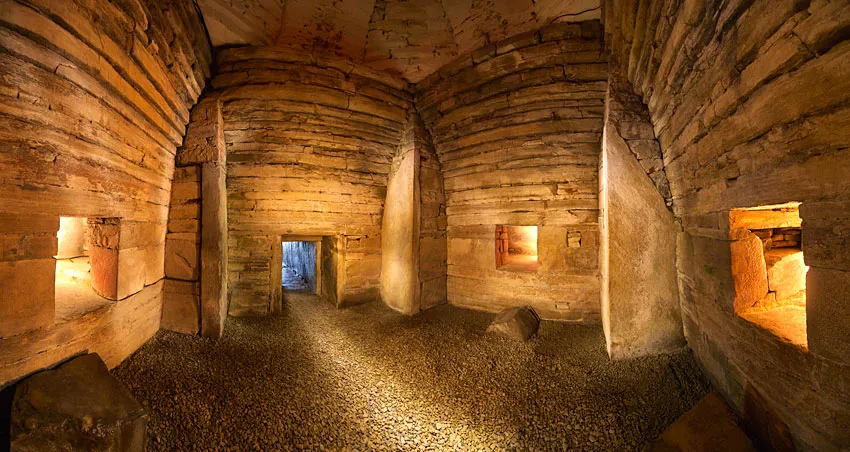
Quanterness Chambered Cairn is one of Orkney's important excavated Neolithic burial monuments.
Its archaeological evidence provides an opportunity to study not only the monument's architecture but also the people and practices associated with it.
A Neolithic Chambered Cairn
Quanterness was constructed as a monumental burial structure.
Its architecture included a passage leading into an internal chamber.
The design belongs to a wider tradition of prehistoric tomb construction found throughout Orkney.
Excavation
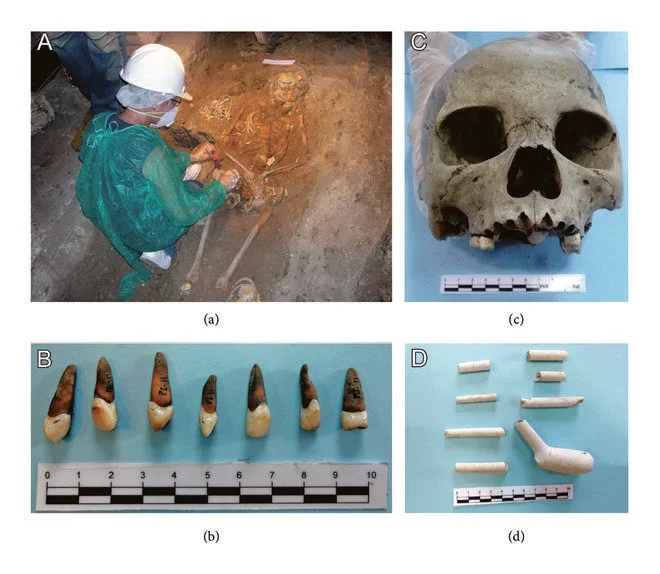
Archaeological excavation is particularly important because it can reveal deposits that are invisible from the surface.
Researchers may recover:
human remains;
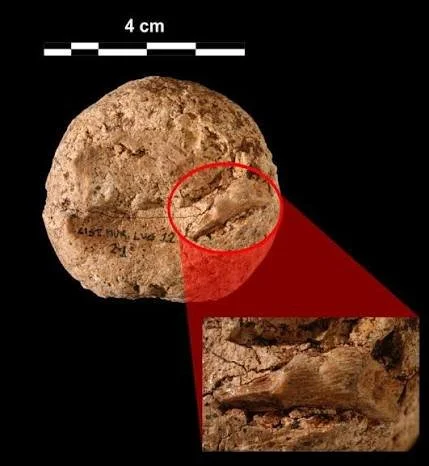
animal bones;
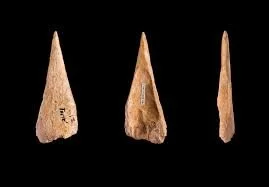
stone tools;
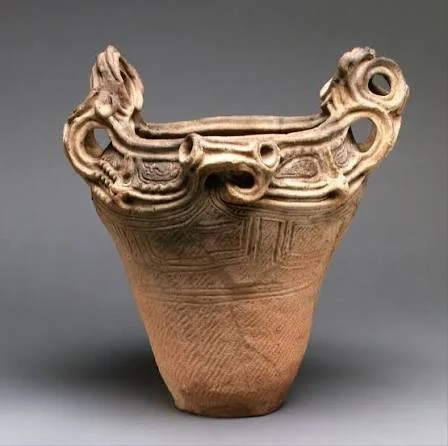
pottery;
charcoal;
and architectural fragments.
Human Remains
Human skeletal material can reveal important information.
Researchers can investigate:
age;
sex;
health;
trauma;
diet;
and population relationships.
Ritual Treatment
The arrangement of human remains can provide clues about mortuary practices.
Bones may have been moved, reorganized, or accumulated over long periods.
This indicates that burial was often an ongoing social process.
Architecture and Astronomy
Some Orkney chambered cairns have orientations connected with particular landscape or astronomical features.
However, interpretations of astronomical alignment must be based on measurable evidence rather than assumption.
Community Labor
Constructing Quanterness required collective effort.
The monument represents the ability of a prehistoric community to organize workers and resources.
Conclusion
Quanterness Chambered Cairn: Orkney's Excavated Tomb is important because excavation allows archaeologists to move beyond the visible architecture and investigate the human activity preserved inside.
The monument provides evidence for burial practices, social organization, architecture, and the enduring importance of ancestry in Neolithic Orkney.