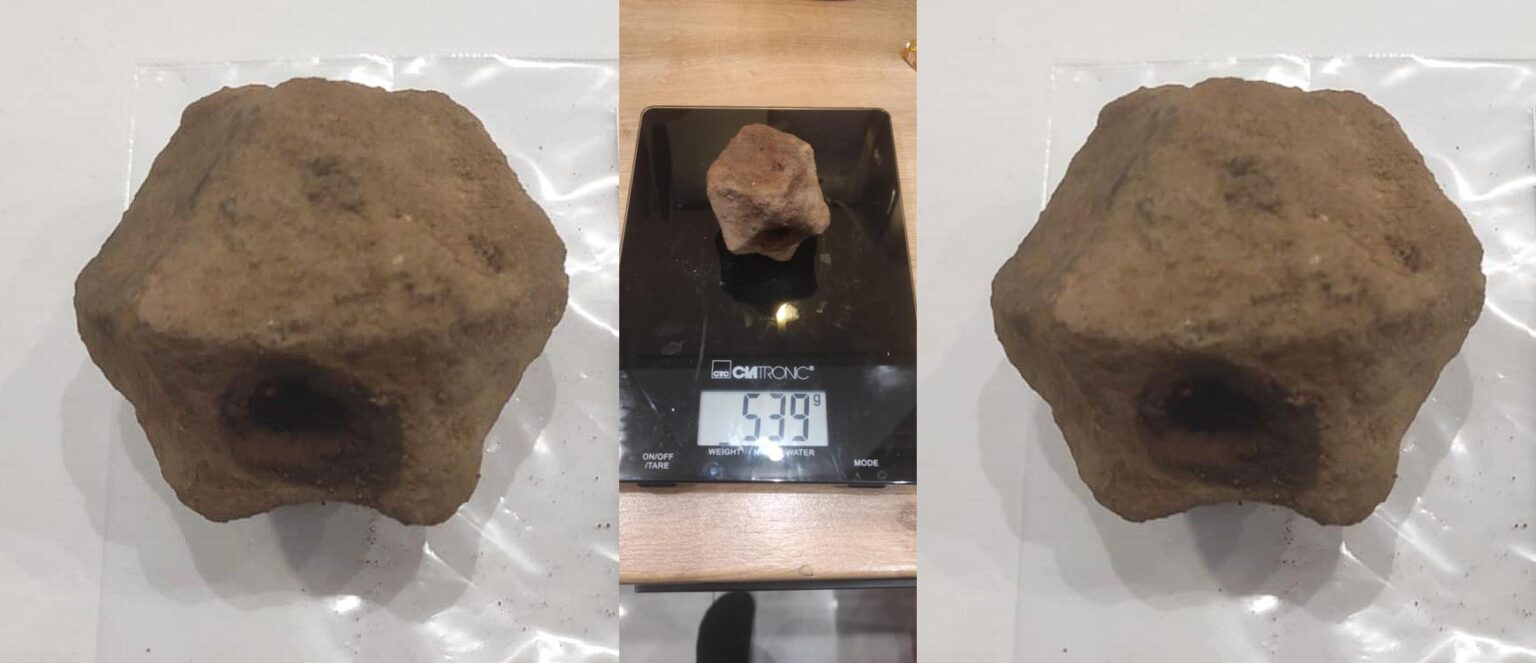
A rare medieval flail, known as a kiścień, has been discovered near the historic Battle of Grunwald site in northeastern Poland, shedding new light on late medieval warfare in Eastern Europe. Found by amateur detectorists in farmland near Gietrzwałd, Warmian-Masurian Voivodeship, the weapon is only the fourth of its kind recorded in the region, making it a significant find for historians and archaeologists.
The Society of Friends of Olsztynek Exploration Section Tannenberg reported the discovery, and experts from the Battle of Grunwald Museum and the Museum of Warmia and Mazury in Olsztyn confirmed its authenticity through detailed analysis. While flails often appear in historical texts and images, surviving examples are extremely rare.
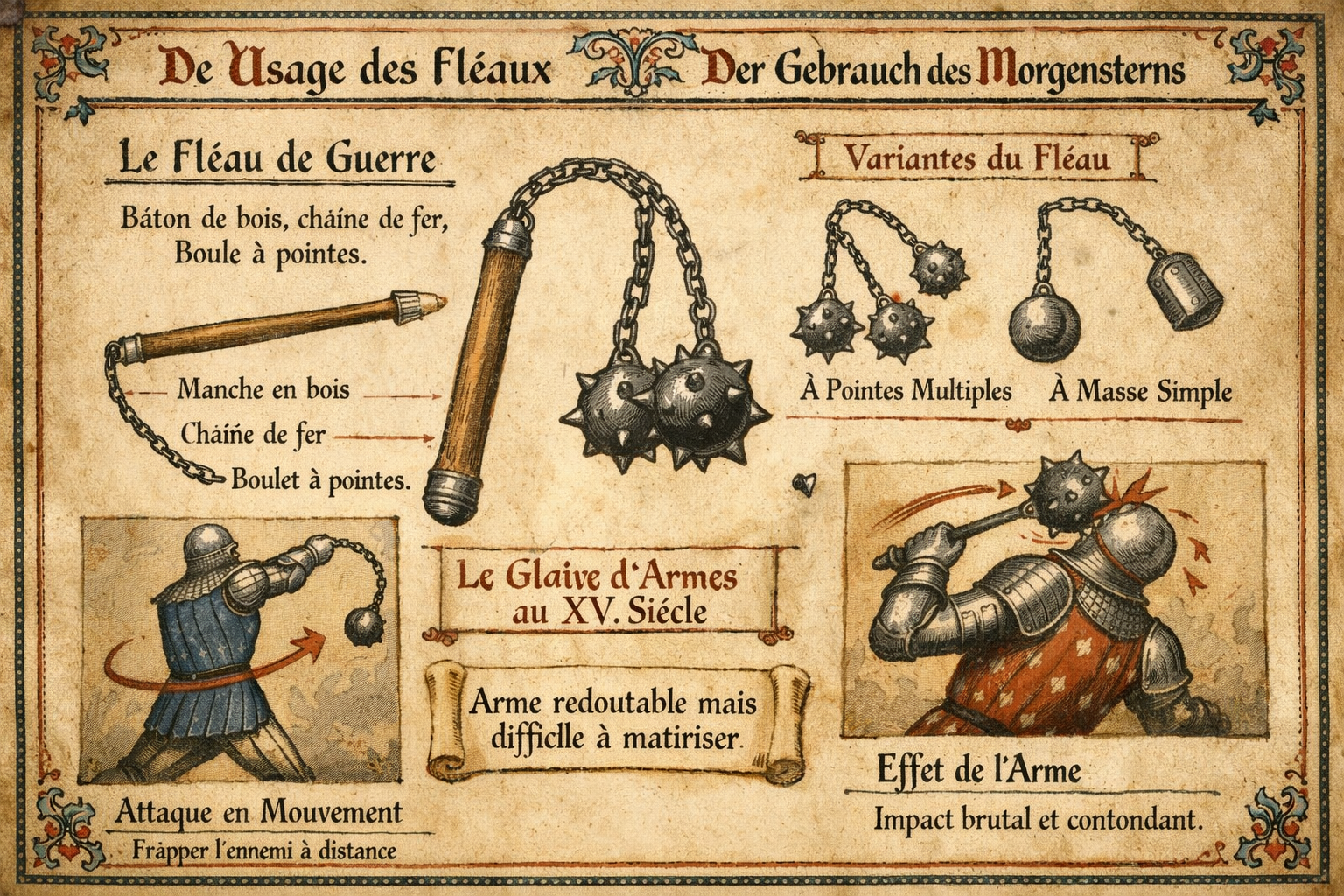
The kiścień, used between the 11th and 15th centuries by both infantry and cavalry, featured a wooden or metal handle connected to a heavy striking head via a chain, rope, or leather strap, designed to deliver strong blows against armor. The find provides valuable insight into close-combat tactics of the period.
Its proximity to the site of the 1410 Battle of Grunwald—where Polish and Lithuanian forces defeated the Teutonic Order—strengthens the link between material evidence and historical records, offering a tangible connection to one of medieval Europe’s most decisive military engagements.
Atgimimo Square in Klaipėda before the reconstruction
Klaipėda city authorities will carry out excavations at 15 sites in Atgimimo Square where unexploded ordnance may remain, the municipality announced Thursday.
“Following a magnetometer survey, 15 locations with a likelihood of explosives were identified,” said Andrius Kačalinas, head of the city’s Legal and Personnel Department. “Excavations will soon be conducted to ensure the construction site is safe and to resolve the emergency situation.”
The square has been under a municipal emergency declaration since November 2024, when a large number of World War II-era explosives were found. At that time, Vice Mayor Algirdas Kamarauskas reported that around 50 explosives had been safely removed and neutralised after partial clearing.
Preparatory demining work also revealed historically valuable foundations, prompting officials to carefully plan the ongoing reconstruction project.
Archaeologists intend to carry out further study and conservation on the flail to gain a clearer understanding of its construction, weight, and possible origin. Specialists will investigate whether the weapon was made locally or imported, as trade often influenced design and technology. Once conservation is complete, the artifact could be displayed in a regional museum, giving visitors a direct connection to 15th-century material culture.
The find also underscores the growing contribution of responsible detectorist groups in Poland. By collaborating with museums and heritage authorities, amateur explorers help document artifacts that might otherwise remain hidden or enter private collections. Experts emphasize the importance of reporting such discoveries through legal channels to ensure they can be properly studied, preserved, and interpreted.
As archaeological work continues in the Warmian-Masurian region, finds like this rare kiścień provide tangible links to the past. Beyond its historical significance, the weapon offers insight into medieval warfare, technological development, and the daily realities of those involved in major events like the Battle of Grunwald. Each recovered artifact adds a new piece to the broader understanding of Europe’s medieval heritage.