In recent years, the Pharos Project, headed by archaeologist Isabelle Erie, has aimed to produce a full digital “twin” of the ancient lighthouse.
The Lighthouse of Alexandria—one of the Seven Wonders of the Ancient World—stood for almost 1,600 years before being devastated by an earthquake and tsunami in 1303, with a later tremor finishing its destruction. In the 15th century, Sultan Qaitbay repurposed its surviving stones to construct the fortress that remains on the site today, enabling the monument to live on in a different form.
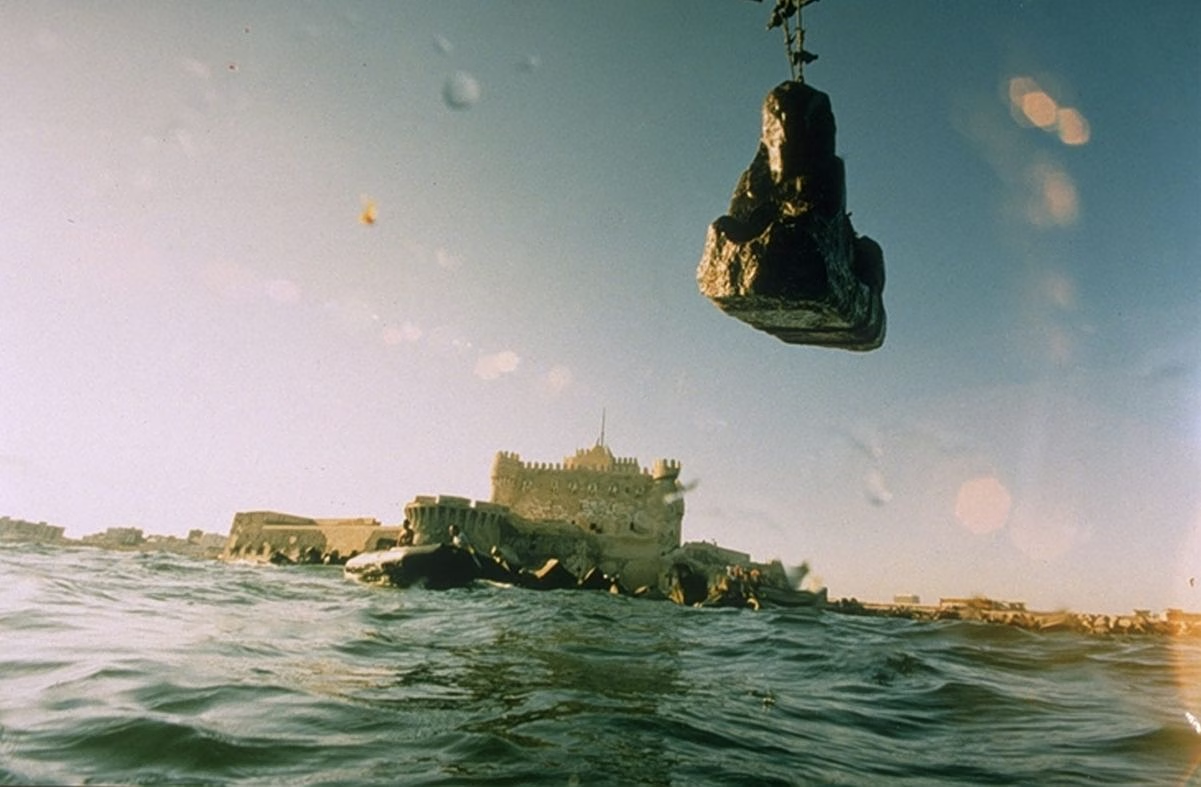
Advances in underwater archaeology have greatly expanded knowledge of the lighthouse. Since the 1990s, researchers have uncovered massive stone blocks, statues, sphinxes, and architectural remnants associated with the Pharos scattered across the seabed.
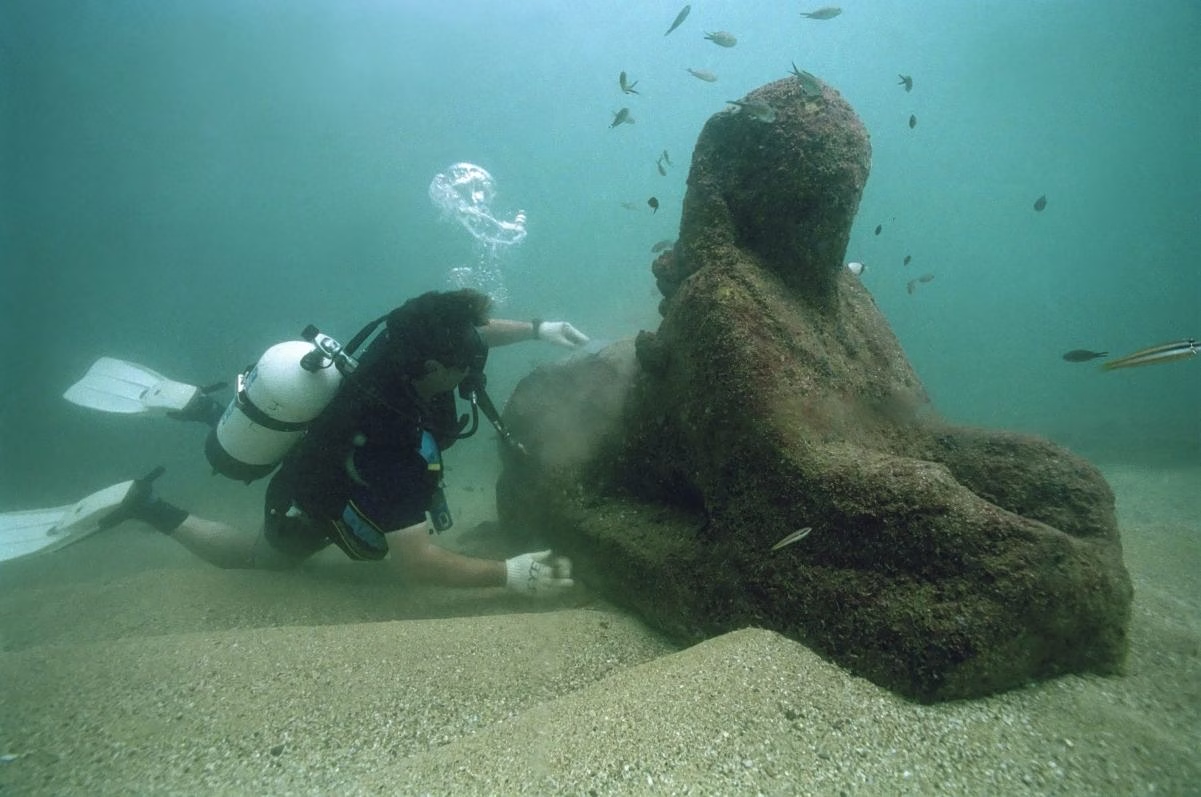
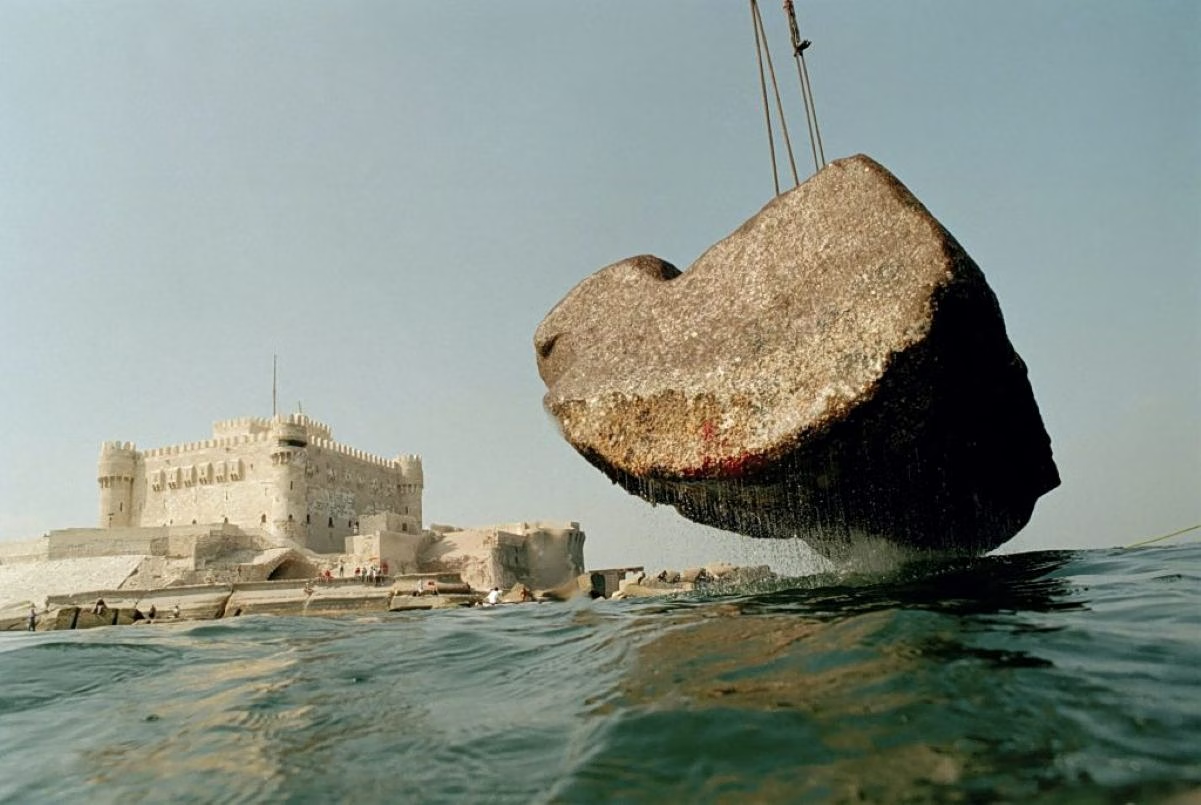
In Egypt, archaeologists have lifted stone blocks weighing as much as 80 tons, highlighting the immense size and engineering skill behind the original structure. Recently, the Pharos Project, directed by archaeologist Isabelle Erie, has worked toward creating a full digital “twin” of the lighthouse.
Through photogrammetry and 3D modeling, thousands of fragments are carefully documented and virtually pieced back together, enabling scholars to reconstruct the lighthouse’s design without physically altering the remains.
The findings indicate that the lighthouse was constructed with highly advanced stone-joining methods, which help explain both how quickly it was built and how it endured for centuries. The research also suggests that sea levels have risen considerably since the Hellenistic era, leaving large portions of the ancient city submerged.
Although the project is still in progress, one finding is undeniable: the Lighthouse of Alexandria was not simply a legend exaggerated over time, but a true feat of engineering and symbolic power—fully deserving its place among the wonders of the ancient world.
After more than twenty years of research, scholars can now offer well-founded historical interpretations of the site and even begin partial reconstructions of the structures that once stood there. These advances are essential for gaining a deeper understanding of both the lighthouse’s architectural design and its cultural importance.
The initiative is backed by the French National Center for Scientific Research and the Egyptian Ministry of Tourism and Antiquities, highlighting strong international cooperation in shedding light on one of history’s most celebrated monuments.