Introduction
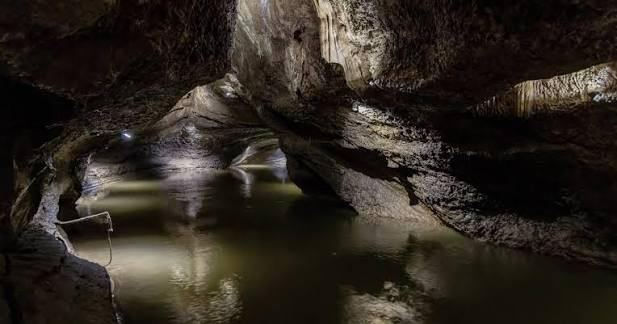
Located near Aywaille in Liège Province, Remouchamps Cave is one of Belgium's most spectacular limestone cave systems, extending for more than one kilometer beneath the Ardennes Plateau. Although the cave is famous today for its underground river and dramatic chambers, archaeological investigations have shown that it also served as an important refuge for prehistoric animals and humans throughout the Pleistocene. Among its most remarkable discoveries are abundant remains of cave bears (Ursus spelaeus), earning Remouchamps the reputation of being one of Belgium's notable prehistoric bear dens.
Formation and Ice Age Environment
The cave developed over hundreds of thousands of years as underground streams dissolved thick limestone bedrock, producing extensive galleries, chambers, and subterranean rivers. During the Ice Age, the stable temperatures inside the cave created an ideal shelter for large mammals seeking protection during winter months.
Seasonal occupation by cave bears resulted in the accumulation of numerous skeletal remains preserved within the cave sediments. Other Ice Age animals also used portions of the cave, contributing to its rich fossil record.
The Cave Bears
Thousands of bones recovered from Remouchamps belong primarily to cave bears, one of Europe's largest prehistoric carnivores. Adult cave bears could exceed 500 kilograms in weight and were considerably larger than modern brown bears. Although they were predominantly herbivorous, these massive animals depended on caves for winter hibernation.
Many skeletons discovered at Remouchamps appear to represent animals that died naturally while hibernating, creating exceptional fossil deposits that allow scientists to study cave bear anatomy, growth, and extinction.
Evidence of Human Activity
Archaeological excavations have also uncovered stone tools, hearth remains, and butchered animal bones indicating that prehistoric humans occasionally visited the cave. Both Neanderthals and later Upper Paleolithic hunter-gatherers likely used portions of the cave as temporary shelters or hunting stations.
Stone tools recovered from archaeological layers include scrapers, flakes, and cutting implements used to process animal carcasses and manufacture wooden equipment.
Scientific Importance
The combination of abundant cave bear fossils and archaeological remains makes Remouchamps an important site for reconstructing Ice Age ecosystems. Researchers use the cave's fossil deposits to study changing climates, extinct mammals, and interactions between prehistoric humans and large carnivores.
Conclusion
Remouchamps Cave preserves one of Belgium's richest records of Ice Age wildlife and prehistoric occupation. Its extensive cave bear remains, geological formations, and archaeological evidence provide valuable insight into the environments inhabited by both extinct animals and early humans during the Pleistocene.