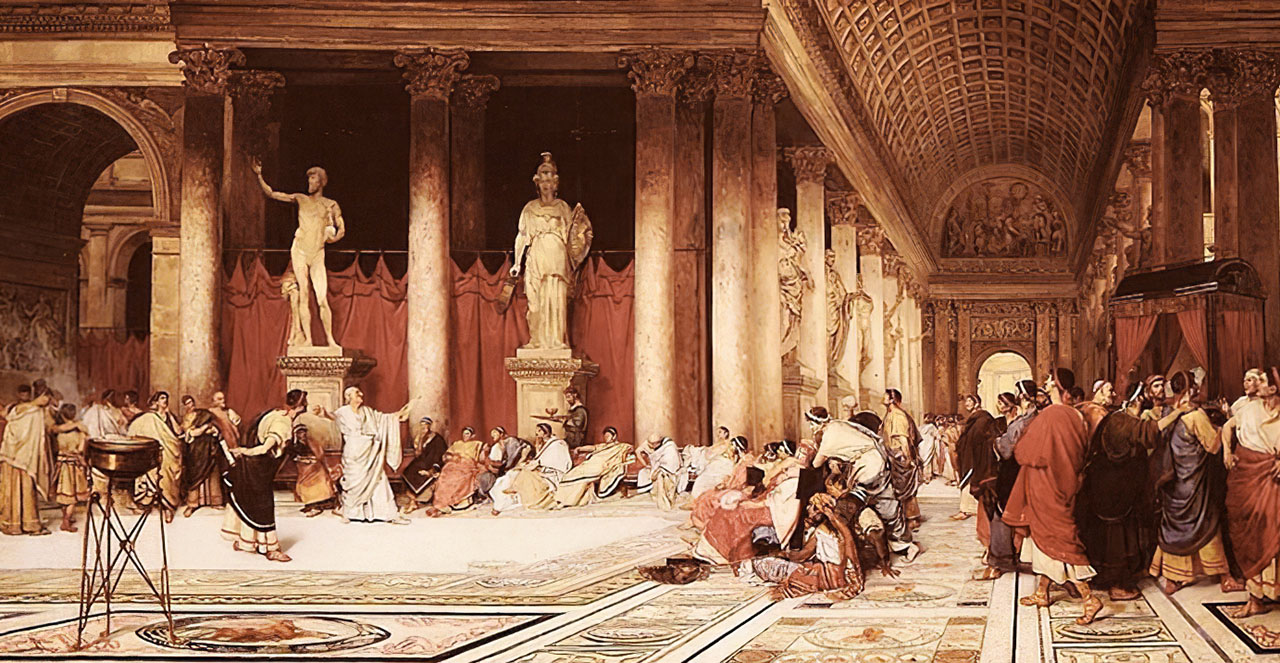
Roman bathing culture was one of the defining features of the Roman Empire, serving as a cornerstone of daily life. For the Romans, visiting the baths (thermae or balneae) was far more than a way to get clean; it was a daily ritual that combined hygiene, exercise, politics, business, and intense socialization.
1. The Step-by-Step Bathing Routine
A typical visit to the baths followed a well-established sequence designed to open pores, sweat out impurities, and refresh the body.
The Apodyterium (The Changing Room): Visitors would strip down and leave their clothes in small cubicles or on shelves. Enslaved people were often left behind to guard belongings, though thieves (capsarii) were a common nuisance.
The Palaestra (The Exercise Yard): Before bathing, Romans often exercised to work up a sweat. Activities included lifting weights, wrestling, playing ball games, or jogging.
The Tepidarium (The Warm Room): A transition room with a moderate, humid heat. It helped the body acclimate to the higher temperatures and was often scented with oils.
The Caldarium (The Hot Room): The hottest and steamiest room, often featuring large basins of hot water (alveus) and heated walls. Romans would sweat here before scraping off dirt and oil.
The Frigidarium (The Cold Room): The final step was a plunge into an unheated, cold pool. This closed the pores and provided an invigorating shock to the system.
2. The Engineering Marvel: The Hypocaust
To keep the massive stone rooms warm, Roman engineers invented the hypocaust, an underfloor heating system that circulated hot air.
How it worked: Furnaces (praefurnia) outside the building were stoked by enslaved workers. The hot air and smoke traveled through the space beneath the raised floors and up through hollow clay tiles (tubuli) built into the walls.
Consistent warmth: This allowed the floors of the tepidarium and caldarium to be comfortably heated without requiring open fires or smoke-filled interiors.
3. Grooming and Hygiene
Because the Romans did not have soap as we know it, the cleaning process relied heavily on oil and scraping.
Oil and Sweat: Bathers rubbed olive oil over their skin to trap dirt and sweat.
The Strigil: After sweating, bathers used a curved metal tool called a strigil to scrape the mixture of oil, sweat, and dead skin off their bodies.
Plucking and Hair Removal: The baths were also used for extensive personal grooming, with professional attendants on hand to pluck body hair using tweezers.
4. The "Ancient Internet": Socializing and Business
The baths were essentially the community centers of the Roman world, functioning as a mix of a modern gym, country club, and town square.
Business and Politics: Senators, soldiers, and ordinary citizens mingled freely. Deals were struck, political alliances were formed, and poems were recited aloud.
Food and Drink: Vendors wandered the grounds selling wine, pastries, sausages, and fresh water.
Noise Levels: The philosopher Seneca, who lived near a bathhouse, famously complained about the constant noise of grunting weightlifters, splashing water, and hair pluckers.
5. Social Dynamics and Accessibility
While private bath suites existed in the homes of the wealthy, most Romans used public baths.
Low Cost: Entry fees were very low (often just a fraction of a quadrans, the smallest Roman coin), making the baths accessible to almost everyone, including the working classes and the poor.
Gender Separation: Initially, men and women bathed separately, or women used the facilities in the morning and men in the afternoon. Later laws varied, though mixed bathing was occasionally banned by emperors seeking to curb moral laxity.
Enslaved People: While wealthy Romans brought their own attendants to carry oils and towels, the bathhouse was one of the few places in the rigid Roman social hierarchy where enslaved people and their masters interacted in a shared, relaxed environment.