Certainly! Focusing on the archaeology and the biological impact of the metal, here is the breakdown of the Roman lead debate using that specific numbered layout.
1. The Protective Barrier: Rome’s Hard Water
The most effective defense against lead poisoning was a happy accident of Roman geology. Most of the water sourced from the Apennine Mountains was "hard," meaning it was heavily saturated with calcium carbonate.
The Limescale Shield: As this water flowed through the fistulae (lead pipes), it naturally deposited a thick layer of limescale along the interior walls.
Insulation: This mineral buildup acted as a physical insulator, preventing the water from ever actually touching the lead.
Constant Motion: Because the water was in constant motion—flowing perpetually from aqueducts to fountains—it rarely sat stagnant long enough to absorb significant concentrations of the metal.
2. The Culinary Culprit: Sapa and Defrutum
Archaeologists believe the real danger was in the Roman kitchen rather than the plumbing. The elite had a taste for defrutum and sapa, which were grape juices boiled down into thick, sweet syrups.
Lead Acetate: Because these syrups were traditionally boiled in lead-lined copper pots, the acidity of the grapes leached high concentrations of lead into the mixture.
"Sugar of Lead": This created lead acetate, an incredibly toxic but sweet substance. Since these syrups were added to everything from expensive wines to fish sauces, the aristocracy was essentially micro-dosing themselves with a neurotoxin at every feast.
3. The Anatomy of a Disease
Because lead exposure was tied to luxury goods—private plumbing and expensive sweeteners—it was primarily a disease of the upper class rather than a universal epidemic.
Documented Symptoms: Roman physicians like Galen frequently described symptoms consistent with chronic lead poisoning, such as saturnine gout, abdominal "colics," and infertility.
Class Divide: While this likely caused health problems among the ruling class, it did not affect the millions of common citizens, soldiers, and farmers who did not have private lead plumbing or access to expensive sweetened wines.
4. Vitruvius’s Warning
Interestingly, the Romans weren't entirely ignorant of the danger. The architect Vitruvius, writing in the 1st century BCE, explicitly warned against lead pipes.
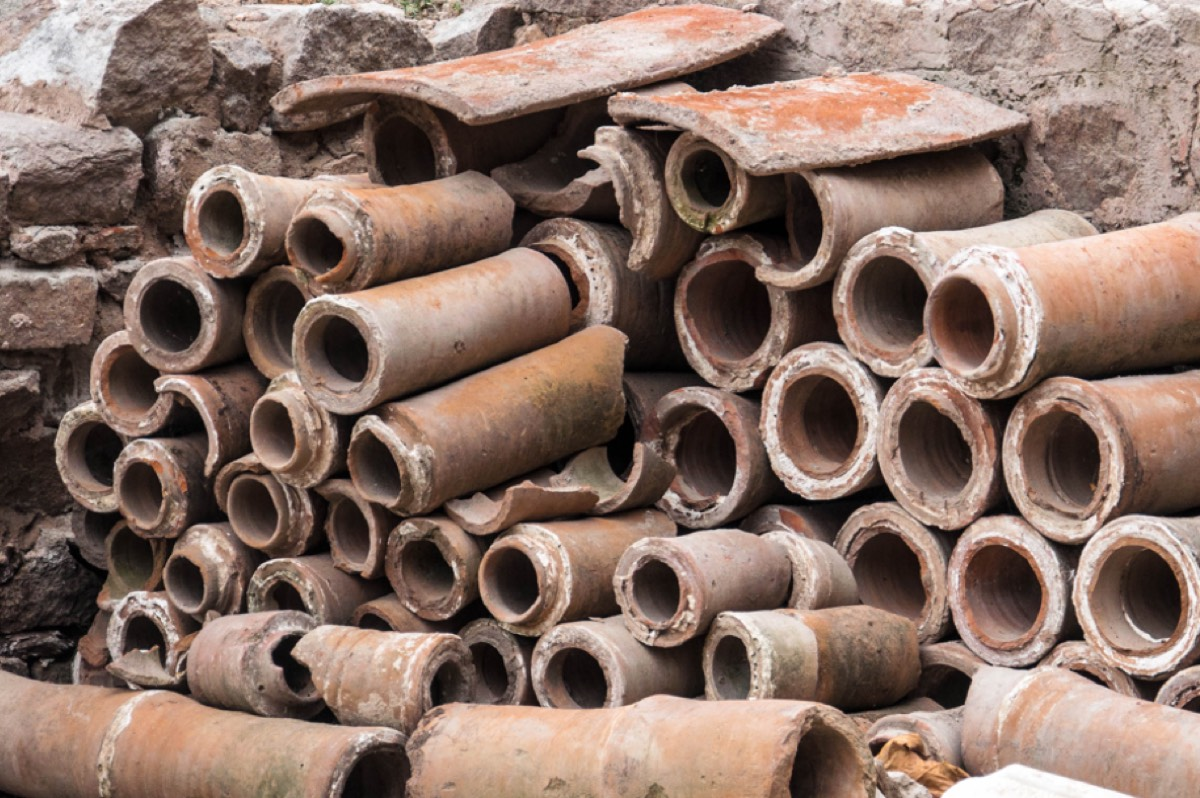
The Observation: He noted that laborers in lead works were pale and sickly, and he advocated for the use of earthenware (clay) pipes instead.
Convenience vs. Health: Despite his warning, lead was simply too convenient. It was easy to mine, easy to cast, and incredibly flexible, making it the "standard" for Roman hydraulic engineering for centuries.
5. Isotopic Evidence
In recent years, scientists have used lead isotope analysis to track how much lead actually made it into the Roman water supply.
Tiber Sediments: By studying core samples from the sediments of the Tiber River, researchers found a clear "chemical signature" of Roman plumbing.
The Verdict: While lead levels in Roman tap water were significantly higher than modern spring water, they were generally below the threshold required to cause a catastrophic, empire-wide collapse.
The "Lead Theory" remains a fascinating lesson in unintended consequences, showing how a civilization's greatest technological achievements can carry hidden costs, even if they aren't the primary reason for that civilization's end.