Sanday is one of Orkney's most archaeologically rich islands.
Its prehistoric landscape contains evidence of Neolithic settlement, farming, burial, and ceremonial activity.
The cairns and monuments around Sanday demonstrate that the island was deeply integrated into Orkney's Neolithic culture.
Neolithic Orkney
The Neolithic period transformed Orkney.
Communities built:
houses;
chambered tombs;
stone circles;
standing stones;
and ceremonial complexes.
Cairns
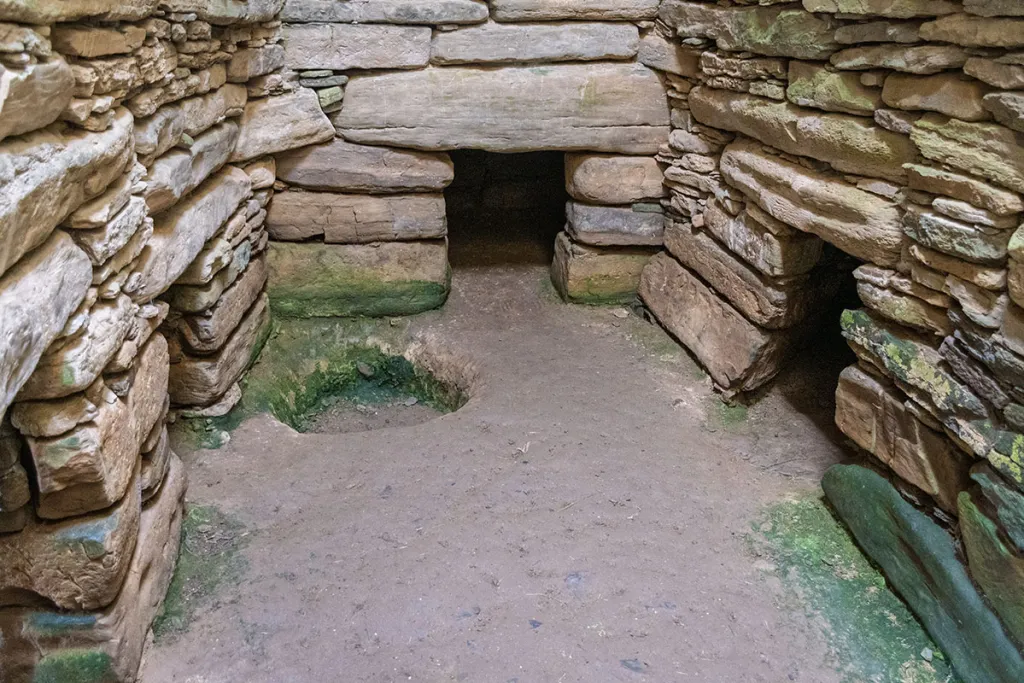
A Neolithic cairn could serve as a burial monument.
Chambered cairns were frequently designed for repeated funerary activity.
They may have housed the remains of multiple individuals over generations.
Sanday's Landscape
Sanday's fertile land and coastal environment supported prehistoric communities.
The island provided:
agricultural land;
marine resources;
stone;
and access to sea routes.
Monumental Construction
Building a cairn required organized labor.
Large stones had to be transported and positioned.
This implies cooperation and community organization.
Ancestral Memory
Burial monuments could create a physical connection between living communities and their ancestors.
The continued use or modification of monuments suggests that prehistoric people maintained relationships with earlier generations.
Archaeological Importance
The Sanday monuments help archaeologists understand how prehistoric communities used islands.
Orkney was not peripheral.
It was a major center of Neolithic innovation.
Conclusion
Sanday Ness: Orkney's Neolithic Cairn represents the island's important prehistoric heritage.
Its burial architecture provides evidence for Neolithic ideas about death, ancestry, community, and landscape.
The monument also demonstrates how Orkney's island communities created enduring structures from locally available stone.