The title “Saville Game” appears to refer to archaeological work or a site designation that requires careful verification before assigning a precise interpretation.
The broader subject of Mesolithic archaeology in Orkney is nevertheless extremely important because it reveals human activity before the famous Neolithic monuments transformed the islands.
Mesolithic Orkney
The Mesolithic period refers broadly to hunter-gatherer societies living before the widespread adoption of farming.
In Orkney, Mesolithic communities exploited both terrestrial and marine resources.
Coastal Resources
Orkney's coastline provided abundant food.
People could collect:
shellfish;
limpets;
mussels;
fish;
seabirds;
and marine mammals.
Hunting
Land animals also contributed to subsistence.
Mesolithic communities could hunt deer and other wild animals.
Mobility
Hunter-gatherer communities were often highly mobile.
They could move between seasonal resource zones.
Boats may have allowed travel among islands, although direct evidence for Mesolithic boats is extremely limited.
Archaeological Evidence
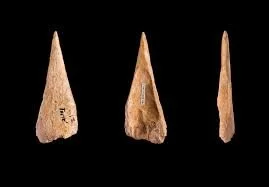
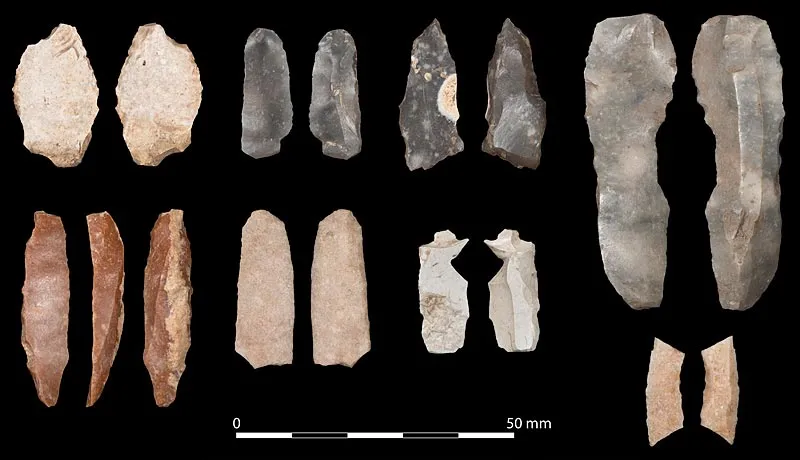
Mesolithic sites can contain:
stone tools;
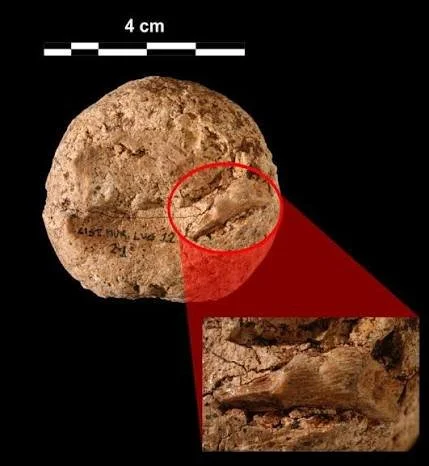
animal bones;
shell middens;
hearths;
and charcoal.
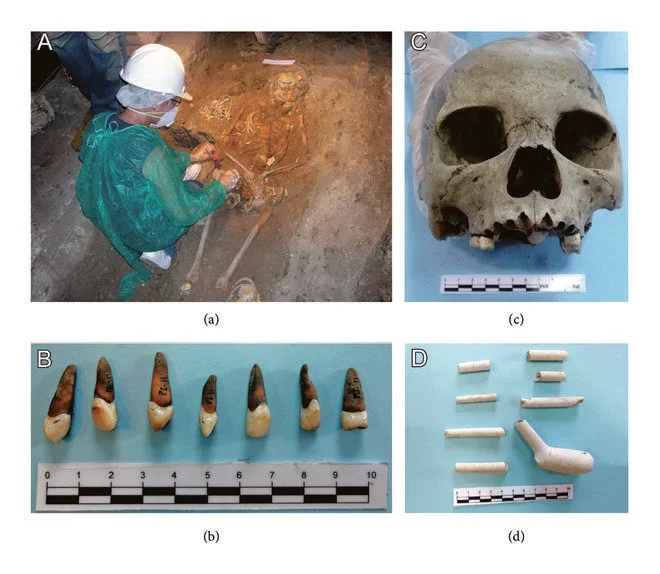
These remains provide clues about daily life.
Transition to Farming
One of the most important questions in Orkney archaeology concerns the transition from hunter-gatherer societies to farming communities.
By the fourth millennium BCE, Orkney became famous for substantial Neolithic settlements and monuments.
Conclusion
Saville Game: Orkney's Mesolithic Site should be treated cautiously unless a specific archaeological identification is established.
Nevertheless, Mesolithic Orkney is an important field of research because it reveals the human communities that occupied the islands before the construction of monuments such as Skara Brae.