An ancient alabaster vase revealed that opium use was part of mainstream society in ancient Egyptian culture.
Here’s what readers will discover in this story:
Chemical evidence of opium found in an ancient Egyptian alabaster vessel suggests the substance was widely used.
Researchers believe even King Tutankhamun may have consumed it.
The findings indicate that opium use spanned different periods and social classes.
An ancient alabaster vase housed in a Yale University museum collection has revealed a long-hidden reality: opium was part of everyday life in ancient Egyptian society.
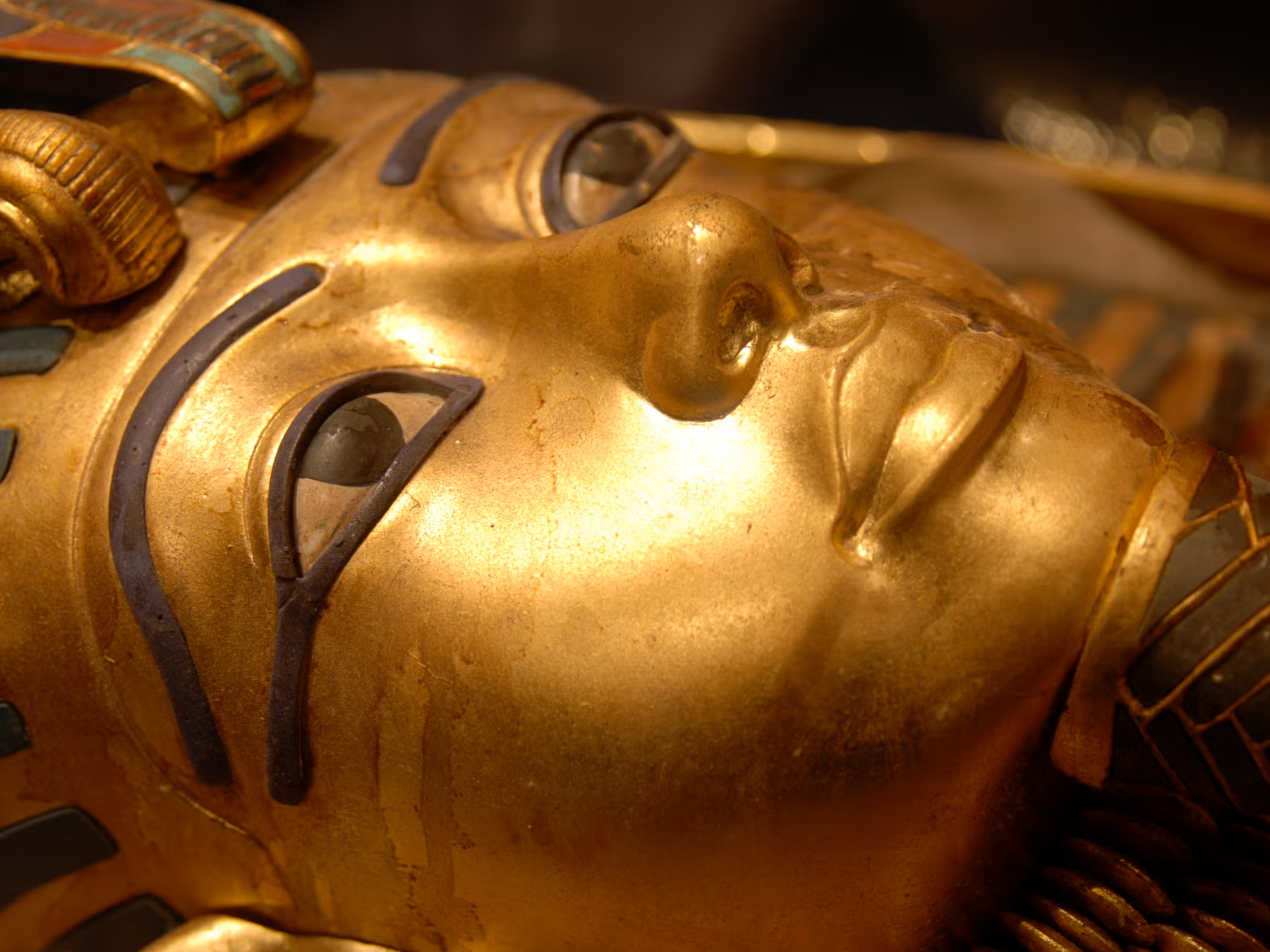
“Our results, together with earlier studies, show that opium use in ancient Egypt and nearby regions was not merely accidental or occasional, but to some extent embedded in daily life,” said Andrew Koh, principal investigator of the Yale Ancient Pharmacology Program and research scientist at the Yale Peabody Museum, in a statement. Researchers suggest its use was likely so widespread that King Tut himself may have partaken. “We believe it is possible, if not likely, that the alabaster jars found in King Tut’s tomb once contained opium, reflecting a long-standing tradition of opiate use that we are only now starting to recognize,” Koh added.