Roads and tracks were essential to the movement of people, animals, goods, and information in ancient societies. They connected settlements with agricultural land, markets, ports, religious centers, and political boundaries. Maintaining these routes could require substantial labor, particularly where roads crossed rivers, climbed steep terrain, or passed through difficult landscapes. In some societies, authorities and local communities collected payments or levies from travelers using particular routes. The archaeology of small-scale road tolling examines how these systems may have operated and what physical traces they left behind.
A road toll is a payment required for using a route, crossing a bridge, passing through a controlled entrance, or accessing a particular transport facility. Such payments could support maintenance, provide revenue to local authorities, or form part of broader systems of taxation and administration. The form of payment varied across periods and societies. Travelers might provide coins, goods, livestock, labor, or other resources, depending on local economic practices and the rules governing the route.
Archaeologically identifying a toll station is difficult because the physical structures may have resembled ordinary buildings or checkpoints. A small structure beside a road could have served as a guard post, shelter, storage facility, market stall, or administrative office. A narrow passage between walls might have helped control movement, but it could also have been designed for defense or to guide animals. The function of such a feature must be assessed through its architecture, location, artifacts, and historical context.
The position of a possible toll station can provide useful clues. Routes crossing rivers, mountain passes, bridges, or narrow valleys naturally concentrate movement because travelers have fewer alternative paths. A structure located at one of these points could have provided an opportunity to monitor traffic and collect payments. However, these locations were also suitable for guarding strategic passages, providing accommodation, inspecting goods, or controlling access to settlements. Geography alone cannot establish that tolls were collected.
Artifacts may offer additional evidence. Coins found near a roadside structure could indicate commercial activity or routine monetary exchange, but they might also represent lost personal possessions or later deposits. Weights, measuring equipment, seals, storage containers, and writing materials may suggest administrative tasks. Yet even a combination of these objects requires careful interpretation because they could have been used for trade, taxation, transport management, or other activities unrelated to toll collection.
The distribution of coins is particularly challenging to interpret. A concentration of small-denomination coins near a road could be consistent with repeated transactions, but archaeologists must consider the date, circulation patterns, and likelihood of accidental loss. Coins may remain in use long after they were minted, and deposits can accumulate over many generations. A secure association between coins and a clearly identified control point would strengthen the interpretation, especially if supported by documentary evidence.
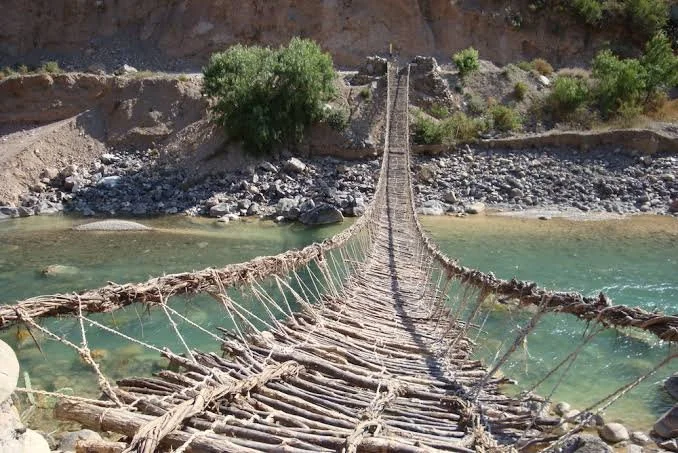
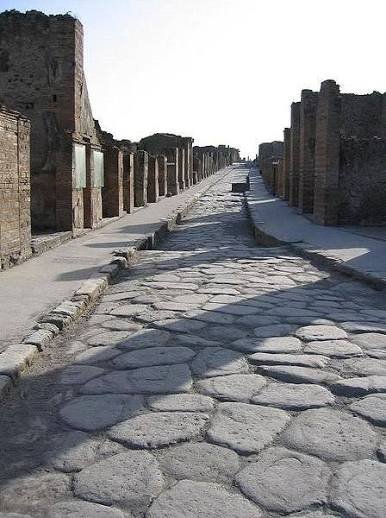
Road construction and maintenance can also provide clues about the organization of transport. Paved surfaces, drainage channels, bridges, retaining walls, and repair layers reveal the labor invested in keeping routes usable. If a road was maintained by a central authority, local community, private landowner, or religious institution, the arrangement may have influenced how travel costs were managed. However, evidence of road maintenance does not necessarily indicate that travelers paid tolls. Roads could be supported through taxation, compulsory labor, military organization, or other systems.
Small-scale levies may have operated at several levels. A local authority might collect payments at a bridge, while a larger political organization imposed taxes on goods transported through a region. Merchants could also face fees at settlement entrances or market areas. These systems might overlap, creating a complex network of charges that affected the cost of moving goods. Archaeological evidence is rarely sufficient to reconstruct every payment, but it can help identify places where transport and administration intersected.
Historical records, inscriptions, and legal texts can be especially useful where they survive. They may describe toll rights, bridge maintenance obligations, market fees, or the responsibilities of officials. Nevertheless, written regulations do not always reflect everyday practice, and records from one region cannot automatically be applied to another. Archaeologists must compare documentary evidence with the physical remains and establish whether the records refer to the same period and location.
The economic effects of road tolling could extend beyond the point where a payment was collected. Additional charges might influence which routes traders selected, how goods were priced, and whether certain markets became more attractive than others. A toll station could also generate demand for lodging, food, animal care, and repair services. The surrounding area might therefore develop into a small service center even if the original installation consisted of little more than a checkpoint and a shelter.
Researchers can investigate route networks through geographic analysis. By mapping roads, bridges, settlements, and potential control points, they can identify locations where movement was likely to be concentrated. Least-cost path modeling can help estimate plausible travel routes across terrain, although actual ancient routes also depended on political boundaries, local knowledge, seasonal conditions, and historical traditions. Such models can guide fieldwork but cannot independently establish where tolls were collected.
The archaeology of small-scale road tolling illustrates the difficulty of identifying administrative activities from physical remains. A roadside structure, coin deposit, or controlled passage may be consistent with toll collection, but each can have alternative explanations. The strongest interpretations combine archaeological context, transport geography, dating, and historical documentation. Through this approach, researchers can investigate how ancient societies managed movement, financed infrastructure, and regulated the exchange of goods along the routes that connected their communities.