Trade, Power, and Rivalry in the Ancient Mediterranean
Origins of Carthage
Carthage was founded around the 9th century BCE on the northern coast of present-day Tunisia by Phoenician settlers from the city of Tyre. According to legend, the city was established by Queen Dido, a figure whose story blends myth and history. While her tale appears in later Roman literature, archaeology confirms that Carthage began as a Phoenician trading outpost strategically positioned to control key maritime routes across the Mediterranean Sea.
From its earliest days, Carthage was shaped by the sea. Its location allowed access to North Africa, southern Europe, and the eastern Mediterranean, making it an ideal hub for commerce and cultural exchange. Over time, the settlement grew from a modest port into a powerful city-state that dominated regional trade.
A Maritime Trade Empire
Carthage’s true strength lay in its commercial network. Unlike land-based empires, Carthage focused on maritime trade rather than territorial conquest. Its merchants traveled extensively, trading goods such as silver, tin, gold, ivory, textiles, dyes, and agricultural products. Carthaginian ships reached as far as the Iberian Peninsula, West Africa, and possibly even beyond the Strait of Gibraltar.
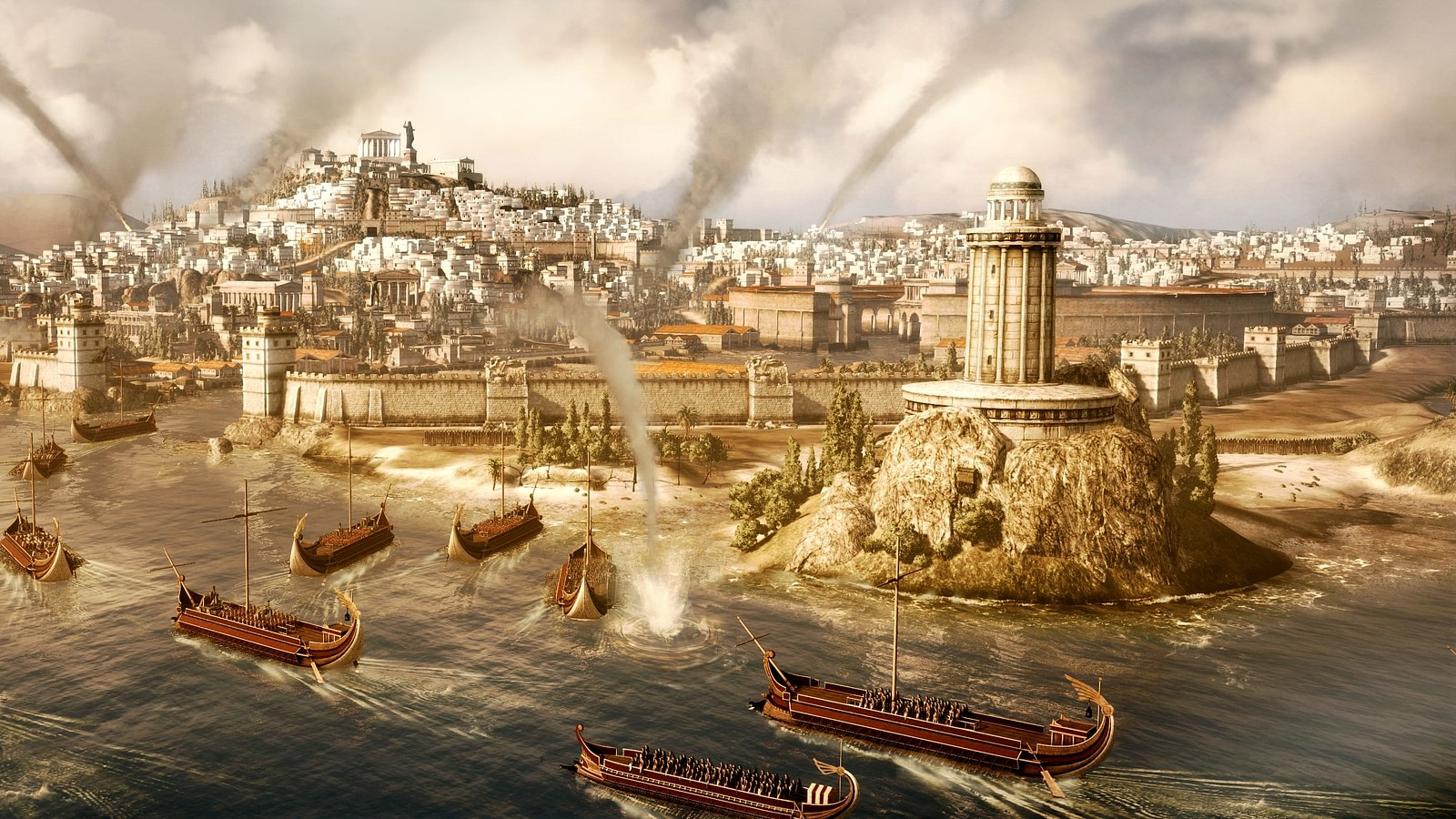
The city maintained a powerful navy to protect its trade routes. Carthaginian shipbuilders developed advanced designs, including fast warships that allowed them to dominate Mediterranean waters. Ports like Carthage’s famous circular harbor—divided into military and commercial sections—demonstrate the city’s sophisticated naval infrastructure.
Trade colonies were established throughout the Mediterranean, including in Sicily, Sardinia, and southern Spain. These settlements extended Carthage’s influence while ensuring a steady flow of resources back to the city.
Political Structure and Society
Carthage was governed by a complex political system that blended oligarchy and republican elements. Power rested largely in the hands of wealthy merchant families, who elected magistrates known as suffetes. A council of elders and a citizen assembly also played roles in governance, though true power often remained with elite families.
Carthaginian society was multicultural, shaped by Phoenician traditions and local North African influences. Religion played a central role in daily life, with deities such as Baal Hammon and Tanit at the heart of worship. Religious rituals, festivals, and temple offerings reinforced civic identity and social order.
Economic Power and Agricultural Innovation
Beyond trade, Carthage was also an agricultural powerhouse. The fertile lands of North Africa allowed large-scale grain, olive oil, and wine production. Carthaginian agricultural manuals, such as those attributed to Mago, were so respected that the Romans later translated them after Carthage’s destruction.
This agricultural surplus supported both the city’s population and its armies. It also gave Carthage economic resilience, allowing it to withstand long conflicts and maintain independence for centuries.
Rivalry with Rome
Carthage’s growing influence inevitably brought it into conflict with Rome. Initially, the two powers coexisted, even signing trade treaties. However, competition over control of Sicily escalated tensions, leading to the Punic Wars.
The First Punic War focused on naval supremacy, while the Second Punic War became legendary due to Hannibal Barca’s daring march across the Alps with war elephants. Hannibal’s victories shook Rome, but Carthage ultimately lacked the resources to defeat Rome permanently.
The Third Punic War marked the end of Carthage. Rome, determined to eliminate its rival, besieged the city. In 146 BCE, Carthage was destroyed, its buildings burned, and its population killed or enslaved.
Legacy of Carthage
Although Rome attempted to erase Carthage from history, its legacy endured. Roman Carthage later rose on the same site, becoming one of the empire’s most important cities. Carthage’s innovations in trade, naval warfare, and agriculture influenced Mediterranean civilization for centuries.
Today, Carthage stands as a powerful reminder that ancient history was shaped not only by empires of land, but by empires of the sea.