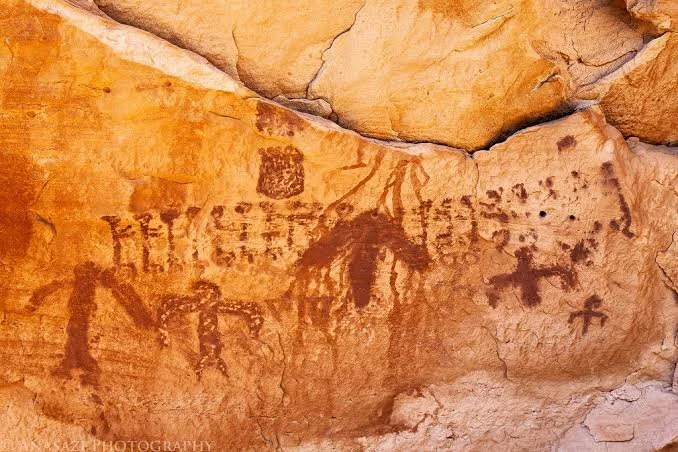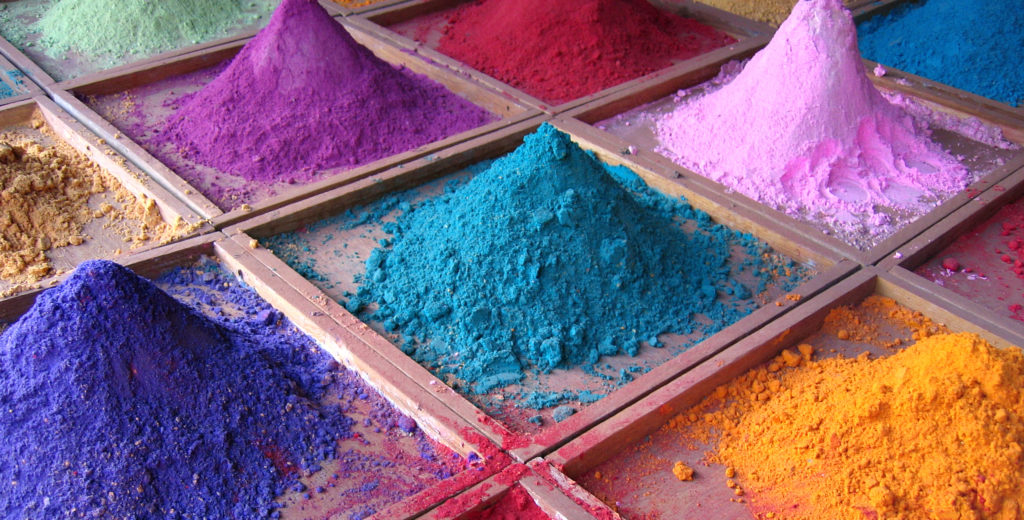
Color held immense symbolic and economic value in the ancient world. Civilizations developed advanced techniques to extract dyes from plants, insects, and minerals, transforming textiles into markers of status, power, and identity. Producing vibrant colors required specialized knowledge, making dyers highly skilled artisans.
One of the most famous ancient dyes was Tyrian purple, derived from sea snails by Phoenician craftsmen. The process was labor-intensive and expensive, making purple garments exclusive to royalty and elites. Similarly, indigo was extracted from plants in India and Egypt, while red dyes came from madder roots and crushed insects like cochineal.
Colors were not merely decorative; they carried cultural meaning. White symbolized purity in many societies, red represented power or sacrifice, and blue was associated with divinity or protection. The dye industry fueled long-distance trade networks and stimulated technological innovation. These ancient color traditions continue to influence art, fashion, and symbolism today.