Early peace treaties represent humanity’s first attempts to regulate conflict through diplomacy rather than endless warfare. In Mesopotamia and the Near East, warfare between city-states was common due to competition over land, water, and trade routes. As societies became more complex, rulers realized that written agreements could stabilize borders and secure long-term prosperity. These treaties often followed destructive wars and were meant to prevent future bloodshed.
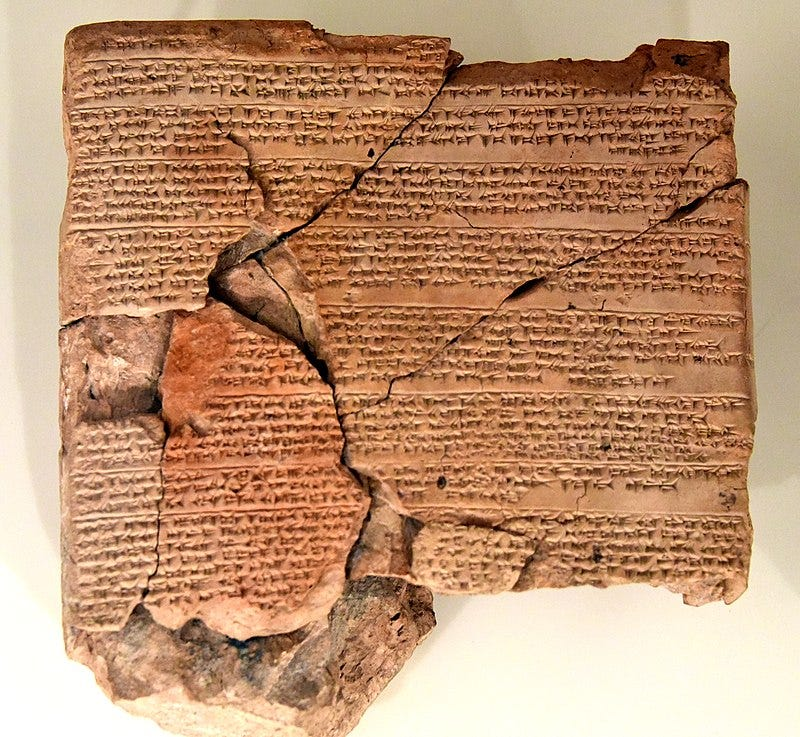
One of the earliest known treaties dates back to around 2500 BCE between the Sumerian city-states of Lagash and Umma. This agreement defined territorial boundaries and was sanctioned by the gods, showing how religion reinforced political obligations. Violating the treaty was believed to bring divine punishment, making the agreement morally binding as well as legally enforced.
Later peace treaties became more formalized, especially in the Bronze Age. They included clauses about mutual defense, extradition of fugitives, and trade relations. These documents reveal that ancient diplomacy was highly sophisticated and recognized the importance of cooperation. The tradition of treaty-making laid the foundation for international law and modern diplomatic practices.