• MAIN PAGE
  • LATEST NEWS
    • Lost Cities
    • Archaeology's Greatest Finds
    • Underwater Discoveries
    • Greatest Inventions
    • Studies
    • Blog
  • PHILOSOPHY
  • HISTORY
  • RELIGIONS
    • Africa
    • Anatolia
    • Arabian Peninsula
    • Balkan Region
    • China - East Asia
    • Europe
    • Eurasian Steppe
    • Levant
    • Mesopotamia
    • Oceania - SE Asia
    • Pre-Columbian Civilizations of America
    • Iranian Plateau - Central Asia
    • Indus Valley - South Asia
    • Japan
    • The Archaeologist Editor Group
    • Scientific Studies
    • Aegean Prehistory
    • Historical Period
    • Byzantine Middle Ages
    • Predynastic Period
    • Dynastic Period
    • Greco-Roman Egypt
  • Rome
  • PALEONTOLOGY
  • About us
Menu

The Archaeologist

  • MAIN PAGE
  • LATEST NEWS
  • DISCOVERIES
    • Lost Cities
    • Archaeology's Greatest Finds
    • Underwater Discoveries
    • Greatest Inventions
    • Studies
    • Blog
  • PHILOSOPHY
  • HISTORY
  • RELIGIONS
  • World Civilizations
    • Africa
    • Anatolia
    • Arabian Peninsula
    • Balkan Region
    • China - East Asia
    • Europe
    • Eurasian Steppe
    • Levant
    • Mesopotamia
    • Oceania - SE Asia
    • Pre-Columbian Civilizations of America
    • Iranian Plateau - Central Asia
    • Indus Valley - South Asia
    • Japan
    • The Archaeologist Editor Group
    • Scientific Studies
  • GREECE
    • Aegean Prehistory
    • Historical Period
    • Byzantine Middle Ages
  • Egypt
    • Predynastic Period
    • Dynastic Period
    • Greco-Roman Egypt
  • Rome
  • PALEONTOLOGY
  • About us

The Ancient Egyptian Amulets

December 27, 2025

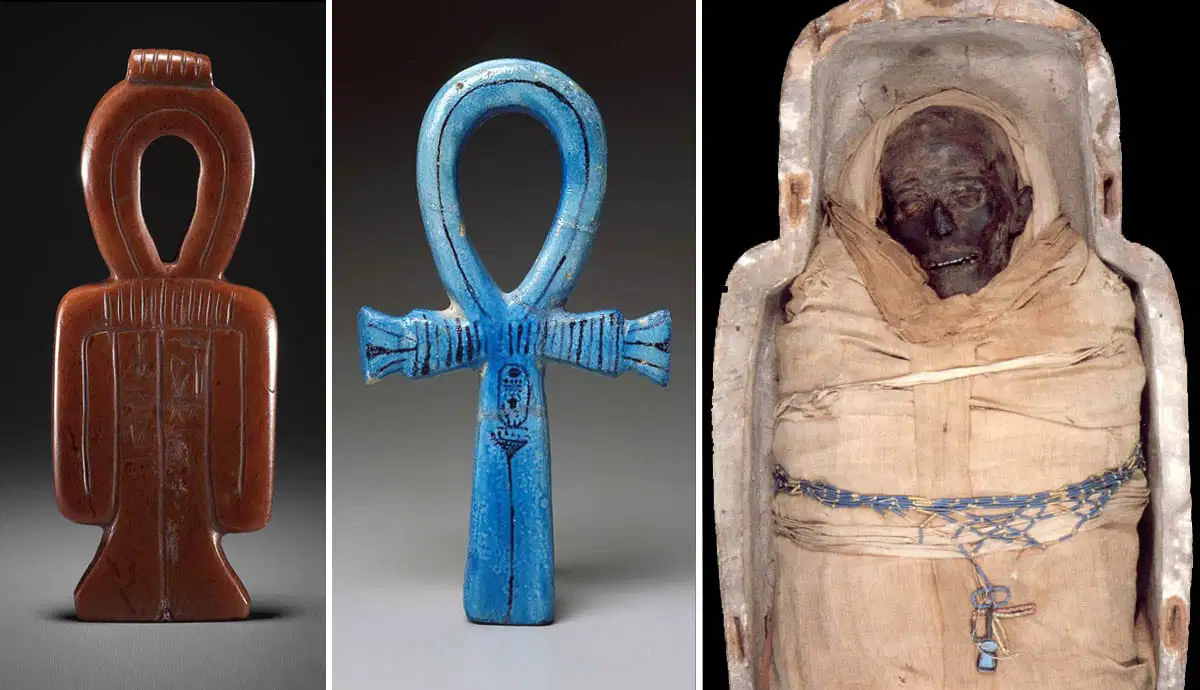
Amulets were an essential part of ancient Egyptian spiritual life. These small objects were worn daily and placed in tombs to provide protection, healing, and guidance in the afterlife. They were crafted from materials believed to hold magical properties, such as faience, gold, and semi-precious stones.

Common amulets included the Eye of Horus, symbolizing protection and health, and the scarab beetle, representing rebirth and regeneration. The ankh symbolized life and divine power, often worn by both the living and the dead.

Amulets were not decorative; they were activated through rituals and spells. Priests recited incantations to imbue them with power. In burial practices, amulets were carefully positioned on the body to protect specific organs.

These objects reveal how Egyptians viewed life, death, and the divine as deeply interconnected.
← The Forgotten Empire of KushThe Religious Festivals of Ancient Rome →
Featured
image_2025-12-27_220439520.png
Dec 27, 2025
The Rituals of the Ancient Druids
Dec 27, 2025
Read More →
Dec 27, 2025
image_2025-12-27_214828498.png
Dec 27, 2025
The Lost Civilization of Tartessos
Dec 27, 2025
Read More →
Dec 27, 2025
image_2025-12-27_214128151.png
Dec 27, 2025
The Iron Age in Sub-Saharan Africa
Dec 27, 2025
Read More →
Dec 27, 2025
image_2025-12-27_212939823.png
Dec 27, 2025
The Ancient Dyes and Colors Industry
Dec 27, 2025
Read More →
Dec 27, 2025
image_2025-12-27_212833941.png
Dec 27, 2025
The First Known Peace Treaties
Dec 27, 2025
Read More →
Dec 27, 2025
image_2025-12-27_212314950.png
Dec 27, 2025
The Origins of the Samurai
Dec 27, 2025
Read More →
Dec 27, 2025
read more

Powered by The archaeologist