Religious festivals were central to Roman public life, reinforcing social order and divine favor. Saturnalia, held in honor of Saturn, was one of the most popular festivals. During this time, social hierarchies were temporarily reversed, slaves were treated as equals, and gift-giving was common.
Lupercalia was another ancient festival, associated with fertility and purification. Priests known as Luperci ran through the streets, striking people with goat-hide whips believed to promote fertility. This festival reflected Rome’s deep connection between religion and physical well-being.
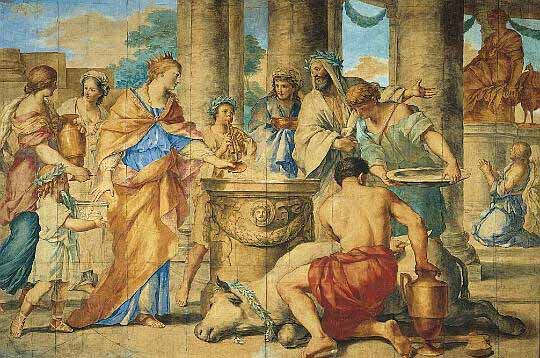
Other festivals honored gods such as Jupiter, Mars, and Vesta. These celebrations involved sacrifices, games, and public feasts, strengthening civic identity. Participation was both a religious duty and a social obligation.
Roman festivals helped legitimize political power by linking leaders to divine approval. They also allowed citizens to feel connected to Rome’s sacred destiny.