Long before electric lights illuminated cities, fire dominated the night. Flames were not only sources of warmth and cooking—they were symbols of power, communication, and spiritual connection. Across the ancient world, massive ritual bonfires, beacon systems, and fire towers transformed darkness into spectacle.
These fire monuments were among the earliest technologies used to signal across great distances and to unite communities in shared ceremonies.
Ritual Fires and Sacred Flames
In many cultures, fire represented life itself. Communities gathered around enormous ceremonial bonfires during seasonal festivals marking harvests, solstices, or religious rites. The fire’s light symbolized renewal, purification, and the presence of divine forces.
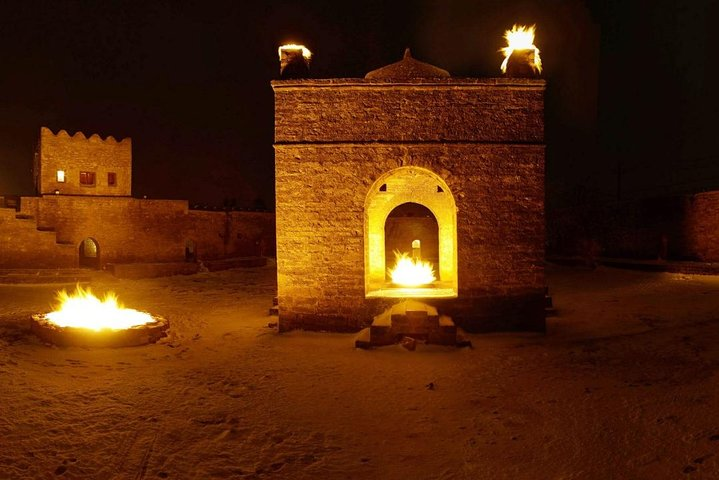
Ancient Persian traditions maintained sacred flames in temples associated with Zoroastrianism. These fires were carefully tended by priests and could burn continuously for generations, representing truth and cosmic order.
Similarly, ritual fires were central to many Indo-European traditions, where hilltop bonfires marked seasonal transitions and strengthened communal identity.
Beacon Fires as Early Communication
Fire also served a practical function: signaling. Beacon fires placed on mountains or towers allowed messages to travel rapidly across long distances.
In ancient Greece, beacon chains were reportedly used to announce the fall of Troy, with flames relayed from hilltop to hilltop until the news reached Mycenae. Though described in later literature, the concept reflects real communication practices used by many civilizations.
By lighting fires in specific patterns or sequences, watchmen could warn of approaching armies or signal victory.
Towers of Flame
Some ancient structures were built specifically to house signal fires. Along strategic frontiers, towers allowed guards to monitor landscapes and relay alerts.
In imperial China, watchtowers along the frontier—eventually incorporated into sections of the Great Wall of China—used smoke during the day and flames at night to communicate enemy movement. A single signal could trigger a chain reaction of warnings across hundreds of kilometers.
Fire as Spectacle and Power
Large-scale fire displays also served political purposes. Rulers used grand rituals involving torches and bonfires to demonstrate authority and unity. The sight of towering flames visible across valleys or plains reinforced the presence of centralized power.
In some cases, entire cities participated, carrying torches in processions that transformed darkness into a moving sea of light.
Lighting the Ancient Night
These fire monuments remind us that ancient societies were far from technologically primitive. They used natural elements—wood, wind, and flame—to create communication networks and shared rituals.
Long before telegraphs or satellites, fire connected communities, warned kingdoms, and illuminated sacred nights.