Introduction to Senet
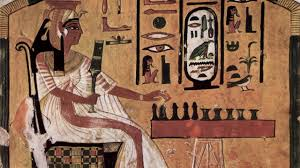
Senet is one of the oldest known board games, dating back to Egypt’s First Dynasty around 3100 BCE. More than just a pastime, it held deep religious and symbolic meaning. Playing Senet was believed to mirror the journey of the soul through the afterlife, linking recreation with spiritual reflection.
Game Design and Rules
The game consisted of a rectangular board with thirty squares arranged in three rows of ten. Players moved pawns based on throwing sticks or dice, navigating obstacles and opportunities along the path. While exact rules are not fully preserved, depictions in tombs suggest strategic gameplay requiring skill, planning, and luck.
Religious and Funerary Context
Senet boards were often included in tombs, such as those of Tutankhamun, indicating its importance in guiding the deceased through the Duat, the Egyptian underworld. The squares symbolized stages in the soul’s journey, while pieces represented the player’s ka (spiritual double). Winning the game equated to achieving eternal life, demonstrating the intertwining of leisure and spiritual aspiration.
Cultural Significance
Senet was played by commoners and royalty alike, revealing its widespread appeal. It served as a social and educational tool, teaching moral lessons, patience, and strategy. The game’s symbolic dimensions reinforced religious narratives and the belief that earthly actions could influence one’s afterlife.
Legacy and Archaeological Insights
Senet provides historians with valuable insights into Egyptian religion, daily life, and artistic expression. It exemplifies how entertainment and ritual could coexist, reflecting a culture where spiritual and practical concerns were deeply integrated into everyday activities.