• MAIN PAGE
  • LATEST NEWS
    • Lost Cities
    • Archaeology's Greatest Finds
    • Underwater Discoveries
    • Greatest Inventions
    • Studies
    • Blog
  • PHILOSOPHY
  • HISTORY
  • RELIGIONS
    • Africa
    • Anatolia
    • Arabian Peninsula
    • Balkan Region
    • China - East Asia
    • Europe
    • Eurasian Steppe
    • Levant
    • Mesopotamia
    • Oceania - SE Asia
    • Pre-Columbian Civilizations of America
    • Iranian Plateau - Central Asia
    • Indus Valley - South Asia
    • Japan
    • The Archaeologist Editor Group
    • Scientific Studies
    • Aegean Prehistory
    • Historical Period
    • Byzantine Middle Ages
    • Predynastic Period
    • Dynastic Period
    • Greco-Roman Egypt
  • Rome
  • PALEONTOLOGY
  • About us
Menu

The Archaeologist

  • MAIN PAGE
  • LATEST NEWS
  • DISCOVERIES
    • Lost Cities
    • Archaeology's Greatest Finds
    • Underwater Discoveries
    • Greatest Inventions
    • Studies
    • Blog
  • PHILOSOPHY
  • HISTORY
  • RELIGIONS
  • World Civilizations
    • Africa
    • Anatolia
    • Arabian Peninsula
    • Balkan Region
    • China - East Asia
    • Europe
    • Eurasian Steppe
    • Levant
    • Mesopotamia
    • Oceania - SE Asia
    • Pre-Columbian Civilizations of America
    • Iranian Plateau - Central Asia
    • Indus Valley - South Asia
    • Japan
    • The Archaeologist Editor Group
    • Scientific Studies
  • GREECE
    • Aegean Prehistory
    • Historical Period
    • Byzantine Middle Ages
  • Egypt
    • Predynastic Period
    • Dynastic Period
    • Greco-Roman Egypt
  • Rome
  • PALEONTOLOGY
  • About us

The Mysterious Dholavira Reservoirs of the Indus Valley

December 14, 2025

Introduction to Dholavira
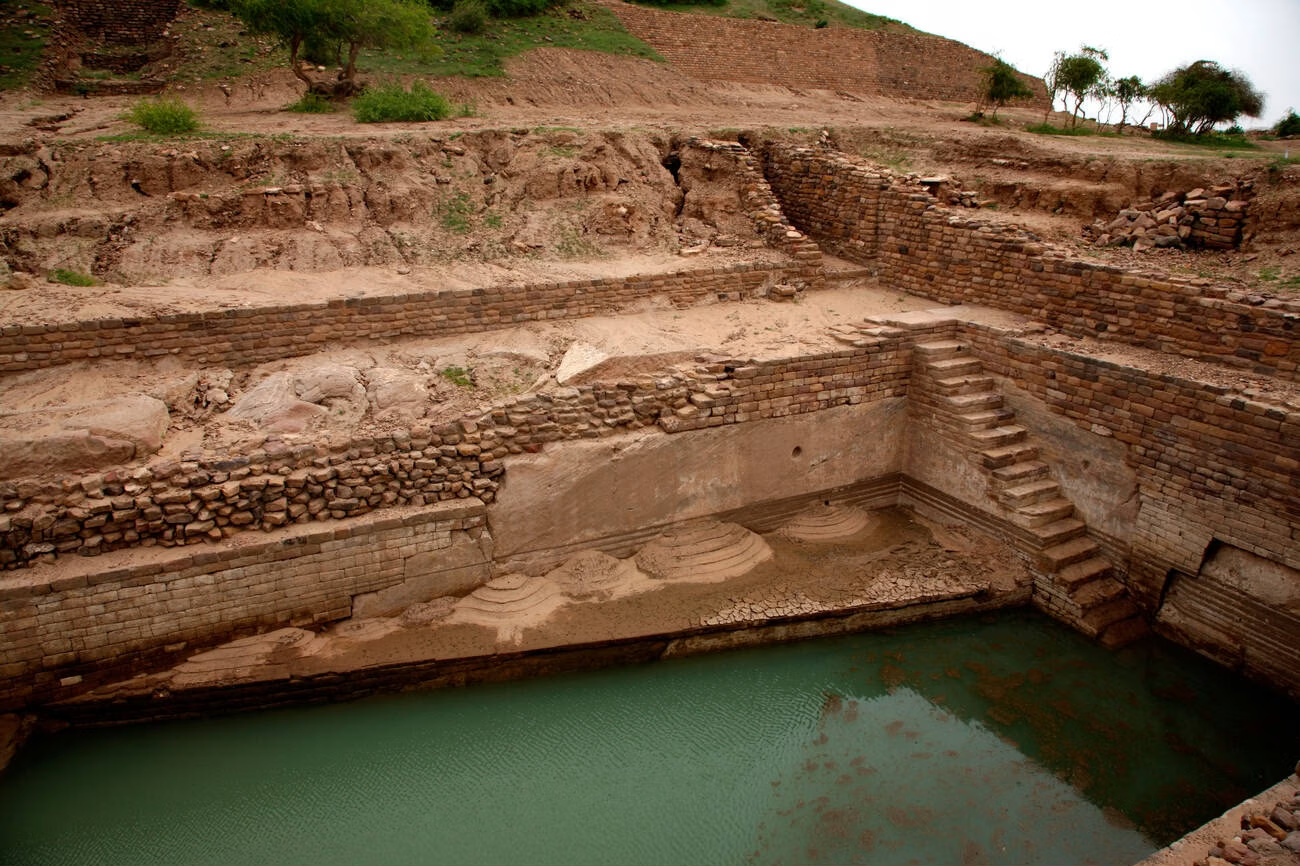
Dholavira, a prominent city of the Harappan Civilization (circa 2500–1900 BCE), demonstrates remarkable ingenuity in water management. Situated in the arid region of present-day Gujarat, India, its reservoirs, channels, and tanks illustrate a sophisticated understanding of hydrology and urban planning.

Engineering and Construction
The city contained large, stone-built reservoirs designed to capture monsoon rains and regulate water supply throughout the year. These reservoirs were carefully aligned and layered with impermeable materials to prevent leakage, demonstrating advanced engineering skills.

Social and Civic Role
Water management was central to civic life in Dholavira. Reservoirs supported domestic use, agriculture, and ceremonial activities. Their construction required coordinated labor, technical knowledge, and long-term planning, reflecting the city’s organized administration and social hierarchy.

Religious and Symbolic Dimensions
Water held spiritual significance in the Indus Valley. Reservoirs may have also played a role in purification rituals and ceremonial practices, linking practical engineering with symbolic meaning. The integration of religion and urban utility highlights the holistic nature of Harappan planning.

Legacy and Lessons
Dholavira’s reservoirs provide evidence of one of the earliest examples of large-scale water conservation and urban infrastructure. Modern engineers and archaeologists continue to study these systems for their sustainability, insight into early urban civilizations, and the interplay between technology and culture.

← The Great Zimbabwe: Kingdom of StoneThe Ancient Game of Senet: Egypt's Board Game of the Dead →
Featured
image_2026-01-28_190316644.png
Jan 28, 2026
Additional €350k in funding for scheme to safeguard Irish UNESCO World Heritage sites announced
Jan 28, 2026
Read More →
Jan 28, 2026
image_2026-01-28_190002439.png
Jan 28, 2026
Twisting Narratives on the History of “Khom” and the Authentic Heritage of Prasat Chan
Jan 28, 2026
Read More →
Jan 28, 2026
image_2026-01-28_184510824.png
Jan 28, 2026
The Taş Tepeler Horizon Expands: Göbeklitepe-Style T-Pillars Discovered in Adıyaman
Jan 28, 2026
Read More →
Jan 28, 2026
image_2026-01-28_184059199.png
Jan 28, 2026
Long before Cleopatra, another female pharaoh redefined ancient Egyptian power
Jan 28, 2026
Read More →
Jan 28, 2026
image_2026-01-28_181544431.png
Jan 28, 2026
Bronze Age secrets unearthed at Northumberland dig site
Jan 28, 2026
Read More →
Jan 28, 2026
image_2026-01-28_180229695.png
Jan 28, 2026
Discovery of monumental sacred lake at Karnak
Jan 28, 2026
Read More →
Jan 28, 2026
read more

Powered by The archaeologist