Introduction
High-altitude settlements present difficult conditions for human habitation. Cold temperatures, heavy snowfall, strong winds, seasonal isolation, and limited building materials influence how communities construct and maintain their homes.
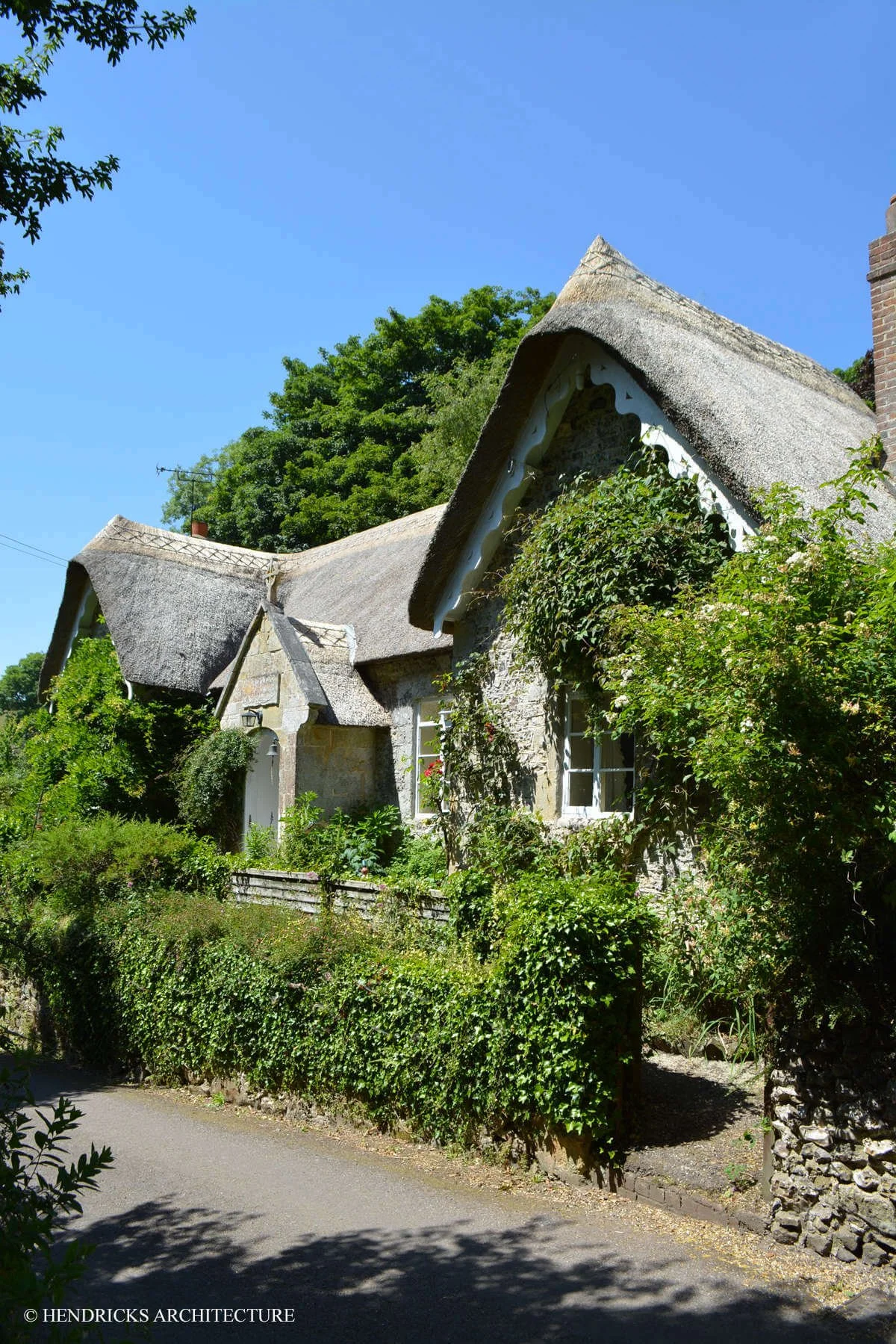
Thatched roofs, made from grasses, reeds, straw, or other plant materials, have been used in many parts of the world because they provide insulation and can be built with locally available resources.
In rare environments, freezing conditions can preserve organic roofing materials that would normally decay. Archaeological deposits containing frozen or otherwise exceptionally preserved roof remains can therefore reveal construction techniques and environmental adaptation.
The phrase "frozen thatched roofs" describes a preservation possibility rather than a widespread or universally documented archaeological category. Each claimed example requires evidence that the material belonged to a roof and was preserved through freezing or related environmental conditions.
Why Thatched Roofs Were Used
Thatched roofing offered several practical advantages.
Plant materials were often locally available and could be gathered without the need for specialized stone or metal production.
When properly assembled, thick thatch could provide insulation against cold weather.
Its layered structure could also shed rain and snow, provided that the roof had sufficient slope and was maintained regularly.
Different plants were suitable for different environments. Reeds, grasses, straw, and other fibrous materials varied in durability, water resistance, and flexibility.
High-Altitude Building Challenges
High-altitude communities faced environmental pressures that influenced roof design.
Snow accumulation could place considerable weight on a roof.
Strong winds could remove loosely secured thatch.
Freeze-thaw cycles could damage structural materials and introduce moisture into buildings.
Builders therefore needed to consider roof pitch, supporting beams, fastening techniques, and the thickness of the thatch layer.
A steep roof could help snow slide away, although local building traditions and available materials also influenced construction.
How Frozen Preservation Occurs
Organic roofing materials usually decompose after abandonment.
However, freezing conditions can slow biological decay.
If a building is rapidly covered by snow, ice, or permanently frozen sediment, some plant materials may survive.
Preservation depends on temperature stability, moisture, oxygen availability, and the speed at which the remains become buried.
A roof exposed to repeated thawing may deteriorate even in a cold mountain environment.
Identifying Roofing Material
Archaeologists must determine whether preserved plant material actually belonged to a roof.
Thatch can be identified through the arrangement of stems, repeated layering, compression, and its relationship with roof beams or supporting structures.
Impressions on clay, plaster, or other building materials may preserve evidence of roofing even when the original plants have disappeared.
Plant identification can be carried out through microscopic examination of preserved fibers, seeds, and other botanical structures.
The presence of straw or reeds near a building does not independently prove that the material served as roofing.
Roof Construction Techniques
Thatched roofs require a supporting framework.
Timber beams, rafters, poles, and battens can provide the structure onto which plant bundles are attached.
The thatch may be tied, woven, layered, or secured through other local methods.
Different construction traditions produce distinctive patterns.
Archaeologists can examine preserved fastening points, plant orientation, beam spacing, and impressions to reconstruct how the roof was assembled.
Environmental Reconstruction
High-altitude archaeology benefits from environmental evidence.
Pollen analysis can reveal the vegetation surrounding a settlement.
Plant macrofossils can identify species used in building materials.
Ice cores, lake sediments, and other environmental archives may help reconstruct historical temperature and precipitation patterns.
This information can clarify whether the conditions necessary for freezing preservation existed when the building was abandoned.
Domestic Life and Roof Maintenance
A roof was not a permanent structure requiring no attention.
Thatch needed periodic repair, replacement, and protection from moisture and animals.
The labor required to maintain roofs could involve several members of a household or a wider community.
The choice of plant material may also reflect access to nearby wetlands, grasslands, forests, and agricultural fields.
Roofing therefore reveals relationships between architecture, seasonal work, and the surrounding environment.
Preservation and Excavation Risks
Frozen archaeological remains are extremely fragile.
Once exposed to warmer air, they may begin to thaw and decay rapidly.
Excavation must therefore be carefully planned.
Researchers may use controlled thawing, immediate documentation, sampling, and specialized cold storage.
Plant fibers should be recorded before removal because their arrangement can reveal construction techniques.
Failure to control temperature and moisture can destroy evidence that survived for centuries.
Conclusion
Frozen thatched roofs in high-altitude archaeological sites offer a rare opportunity to study organic architecture and environmental adaptation.
Their remains can reveal which plants were selected, how roofs were assembled, and how communities responded to snow, wind, and cold temperatures.
However, identifying a frozen roof requires more than finding preserved vegetation near a building. Structural relationships, botanical evidence, and environmental conditions must all support the interpretation.
When securely documented, these remains provide an unusually detailed record of vernacular architecture and the practical knowledge used to survive in demanding mountain environments.