Introduction
Night-time activities are difficult to investigate archaeologically because many of their most important elements are temporary. Fires burn down, sounds disappear, participants leave, and movement patterns are rarely preserved directly in the archaeological record.
Yet fire remains, spatial arrangements, artifacts, and environmental evidence can provide clues about activities that may have taken place after dark.
In many societies, nighttime gatherings have been associated with ceremonies, storytelling, seasonal celebrations, religious practices, and communal events. These activities may have involved controlled fires, musical instruments, dancing, processions, and other forms of coordinated movement.
The archaeology of night-time rituals explores how researchers can reconstruct these activities through material traces while avoiding interpretations that go beyond the available evidence.
1. Why Night-Time Activities Matter Archaeologically
Human activity does not stop when daylight disappears. In societies without modern lighting, nighttime gatherings required deliberate decisions about fire, visibility, movement, and the organization of space.
Some activities may have been restricted to particular times because of religious calendars, seasonal events, or social traditions.
Others could have taken place after ordinary work was completed, allowing community members to gather for storytelling, entertainment, or collective ceremonies.
Understanding these activities helps researchers develop a more complete picture of ancient daily life.
2. Fire as a Source of Light and Social Organization
Fire was one of the most important technologies for extending human activity beyond daylight hours.
Hearths, torches, oil lamps, and other lighting devices could illuminate gathering areas and provide warmth.
The position and arrangement of fires may have influenced where participants sat, stood, or moved.
A central fire might have created a shared focal point, while several smaller lights could have defined separate activity areas.
However, fire remains do not automatically indicate nighttime use. Hearths were also used for cooking, heating, craft production, and other ordinary activities.
3. Archaeological Evidence of Lighting
Researchers investigate nighttime lighting through the remains of lamps, hearths, fuel deposits, and burned surfaces.
Oil lamps may preserve soot, residues, and traces of repeated use. Their shape and placement can provide clues about how they were carried or positioned.
Charcoal and ash concentrations can reveal the location of former fires, although their original function may remain uncertain.
Microscopic analysis of burned materials can identify fuel types and sometimes distinguish between different combustion conditions.
The interpretation becomes stronger when several independent indicators are found together.
4. Sound and Musical Activities
Sound is one of the most difficult aspects of past human behavior to reconstruct because it rarely survives directly.
Nevertheless, archaeological artifacts can provide evidence of sound-producing technologies.
These may include flutes, whistles, bells, rattles, drums, and other musical or signaling instruments.
The discovery of such objects in a ceremonial context may suggest that music or sound played a role in gatherings.
Researchers can examine the material, dimensions, and acoustic properties of surviving instruments to investigate how they might have sounded.
However, an instrument's presence does not establish whether it was used during nighttime rituals.
5. Reconstructing Movement and Dance
Movement can leave indirect archaeological traces through repeated wear, patterned deposits, and the arrangement of activity spaces.
A large open area surrounded by seating or other structures may have supported collective movement.
Repeated trampling can compact soil and create distinctive surface changes, although similar evidence may result from ordinary circulation.
Researchers may also examine the distribution of artifacts, hearths, and structural features to identify areas where different activities took place.
The reconstruction of dance or ceremonial movement requires particular caution because similar spatial patterns can result from many forms of gathering.
6. The Spatial Organization of Night-Time Gatherings
The arrangement of a ritual space could influence visibility, sound, and movement.
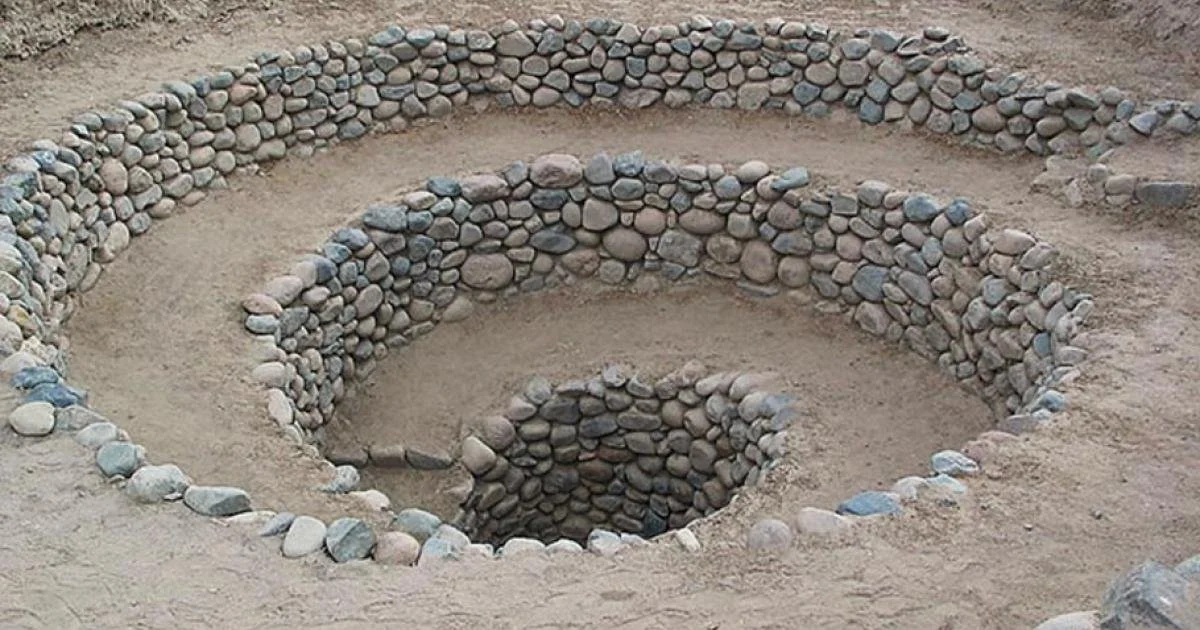
A circular gathering area may have allowed participants to face a central feature. A processional route might have connected several locations within a settlement or landscape.
Natural features such as caves, rock shelters, elevated ground, and water sources may also have shaped the organization of nighttime activities.
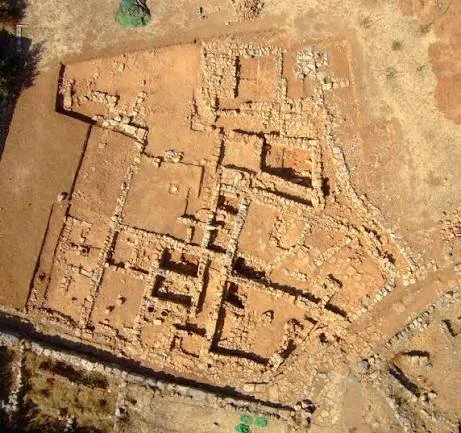
Archaeologists examine entrances, pathways, seating areas, and the relationship between buildings and open spaces to investigate how gatherings were organized.
7. Fire, Sound, and Symbolic Communication
Fire and sound can have meanings beyond their practical functions.
A large communal fire might have served as a visual symbol of unity or marked an important gathering. Bells, drums, and other instruments could have communicated the beginning of an event or signaled movement between locations.
In some societies, particular sounds may have been associated with religious authority, seasonal transitions, or ceremonial identities.
However, such meanings are culturally specific. Archaeologists should not assume that similar technologies had identical symbolic functions across different societies.
8. Scientific Methods for Reconstructing Night-Time Rituals
Several scientific approaches can contribute to the study of nighttime activity.
Micromorphology can identify microscopic changes in floors and sediments caused by repeated heating or trampling.
Charcoal analysis can reveal the types of fuel used in fires. Residue analysis may identify substances burned in lamps or containers.
Acoustic modeling can help researchers explore how sound might have traveled through buildings, caves, or enclosed spaces.
Three-dimensional reconstruction can also be used to simulate visibility and movement under different lighting arrangements.
These methods provide possibilities rather than direct proof. Their conclusions must be compared with archaeological context and other evidence.
9. Distinguishing Ritual from Ordinary Night-Time Activity
One of the central challenges is determining whether a gathering was ritual, practical, or recreational.
A fire surrounded by artifacts may represent a communal ceremony, but it could also be a cooking area or ordinary domestic gathering.
Musical instruments may have been used for entertainment, communication, work, or religious activities.
Researchers therefore consider repeated patterns, unusual object deposits, spatial organization, specialized structures, and evidence of symbolic behavior.
The strongest interpretations emerge when multiple independent lines of evidence support the same explanation.
Conclusion
The archaeology of night-time rituals expands our understanding of how ancient communities organized social life beyond daylight hours.
Fire remains, lighting devices, musical instruments, spatial arrangements, and patterns of repeated activity can provide indirect evidence of nighttime gatherings. Together, these traces may reveal how people used light, sound, and movement to create shared experiences.
Although the exact sounds and movements of the past cannot usually be recovered, careful archaeological analysis can reconstruct aspects of the environments in which such activities occurred.
By combining material evidence, experimental methods, and cultural interpretation, researchers can investigate the role of nighttime gatherings in the social and symbolic lives of ancient communities.