Alignment with Solstices and Celestial Events
Construction and Purpose
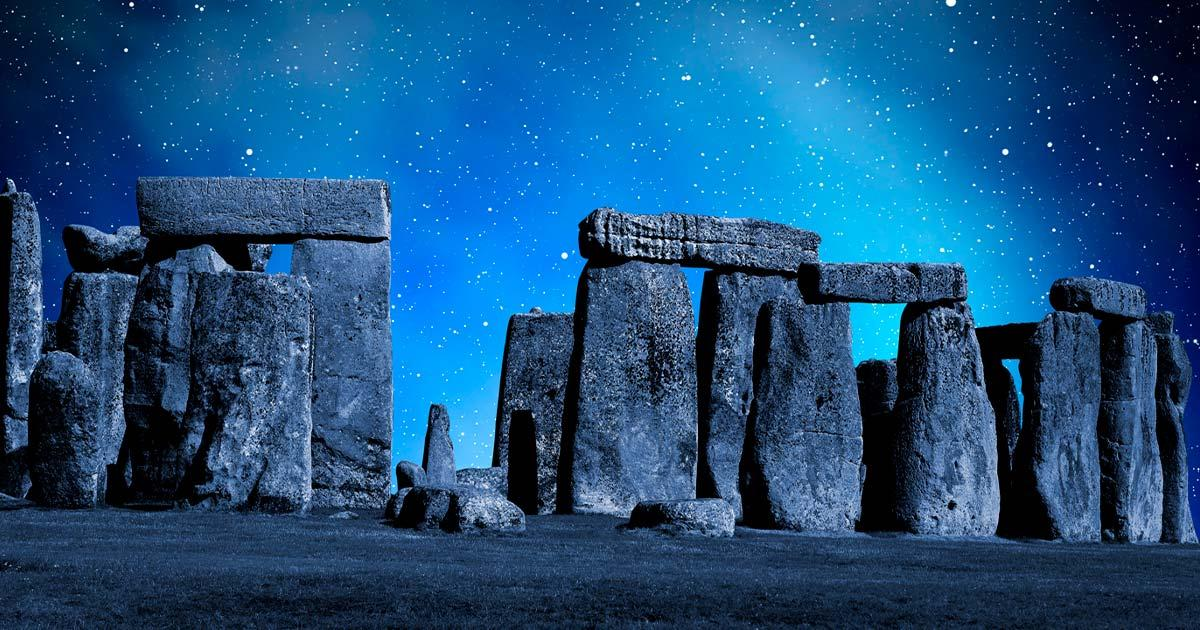
Stonehenge, constructed between 3000–2000 BCE in England, consists of massive sarsen stones and smaller bluestones arranged in concentric circles. Its layout demonstrates advanced knowledge of engineering, astronomy, and ceremonial design.
Celestial Alignments
The monument aligns with sunrise at the summer solstice and sunset at the winter solstice. These alignments suggest Stonehenge functioned as a calendar, agricultural guide, and ritual center, marking seasonal changes vital to prehistoric communities.
Ritual Significance
Stonehenge likely hosted ceremonies related to fertility, death, and ancestor worship. Burials and human remains indicate its sacred function as a gathering place for communal and spiritual events.
Legacy
Stonehenge continues to fascinate researchers and tourists alike. Its astronomical precision reveals the ingenuity of Neolithic societies and their ability to integrate cosmic knowledge into monumental architecture.