• MAIN PAGE
  • LATEST NEWS
    • Lost Cities
    • Archaeology's Greatest Finds
    • Underwater Discoveries
    • Greatest Inventions
    • Studies
    • Blog
  • PHILOSOPHY
  • HISTORY
  • RELIGIONS
    • Africa
    • Anatolia
    • Arabian Peninsula
    • Balkan Region
    • China - East Asia
    • Europe
    • Eurasian Steppe
    • Levant
    • Mesopotamia
    • Oceania - SE Asia
    • Pre-Columbian Civilizations of America
    • Iranian Plateau - Central Asia
    • Indus Valley - South Asia
    • Japan
    • The Archaeologist Editor Group
    • Scientific Studies
    • Aegean Prehistory
    • Historical Period
    • Byzantine Middle Ages
    • Predynastic Period
    • Dynastic Period
    • Greco-Roman Egypt
  • Rome
  • PALEONTOLOGY
  • About us
Menu

The Archaeologist

  • MAIN PAGE
  • LATEST NEWS
  • DISCOVERIES
    • Lost Cities
    • Archaeology's Greatest Finds
    • Underwater Discoveries
    • Greatest Inventions
    • Studies
    • Blog
  • PHILOSOPHY
  • HISTORY
  • RELIGIONS
  • World Civilizations
    • Africa
    • Anatolia
    • Arabian Peninsula
    • Balkan Region
    • China - East Asia
    • Europe
    • Eurasian Steppe
    • Levant
    • Mesopotamia
    • Oceania - SE Asia
    • Pre-Columbian Civilizations of America
    • Iranian Plateau - Central Asia
    • Indus Valley - South Asia
    • Japan
    • The Archaeologist Editor Group
    • Scientific Studies
  • GREECE
    • Aegean Prehistory
    • Historical Period
    • Byzantine Middle Ages
  • Egypt
    • Predynastic Period
    • Dynastic Period
    • Greco-Roman Egypt
  • Rome
  • PALEONTOLOGY
  • About us

The Forgotten City of Hattusa: Capital of the Hittite Empire

December 10, 2025

Massive Walls and Ancient Tablets

Geographical and Political Significance
Hattusa, located in modern-day Turkey, served as the Hittite Empire’s capital from around 1600–1200 BCE. Its strategic location enabled control over trade routes and defense against invaders.

Architectural Marvels
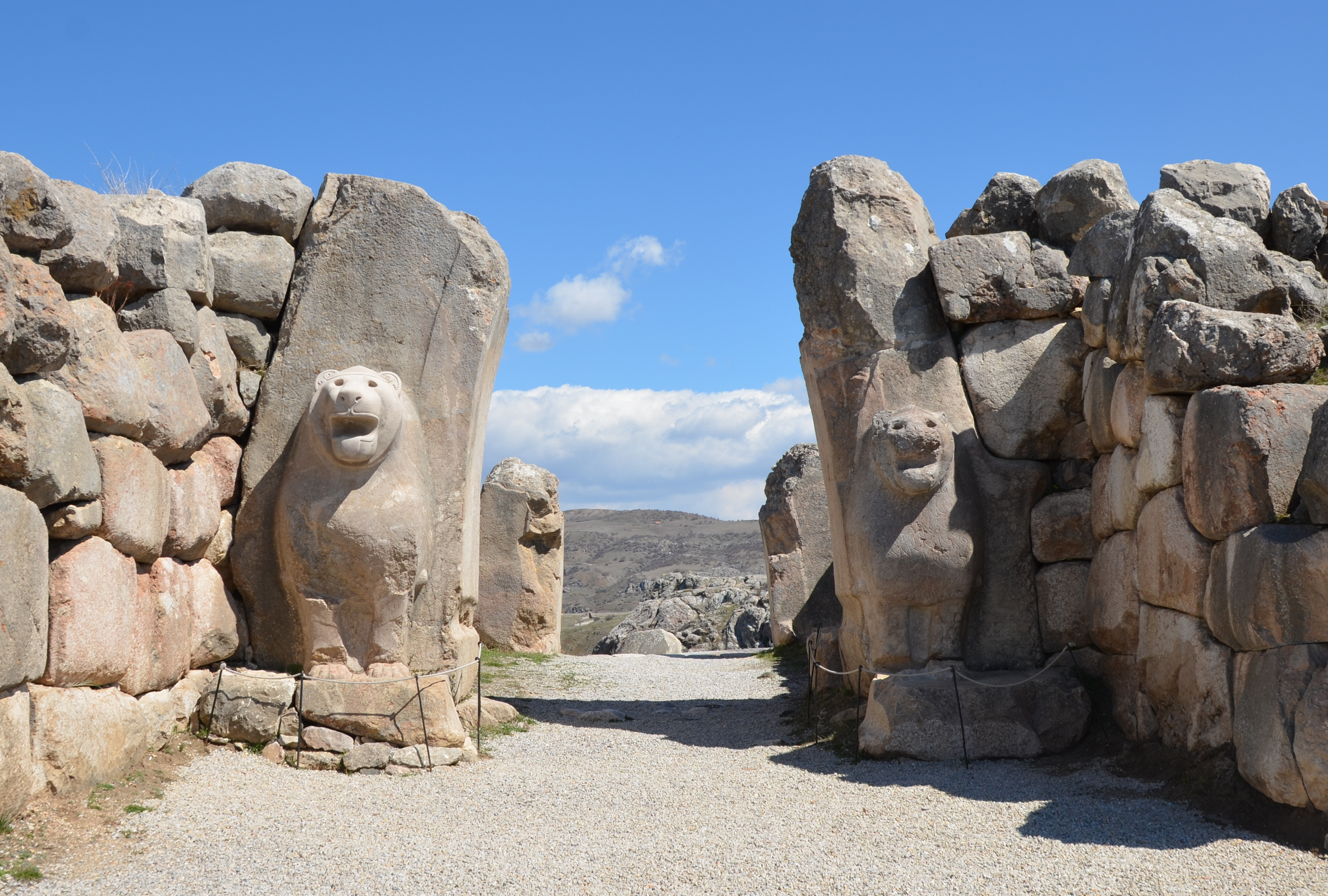
The city featured massive stone walls, gates decorated with lion and sphinx motifs, and monumental temples. Residential districts and administrative buildings reflect organized urban planning and the Hittites’ architectural skill.

Cuneiform Tablets and Administration
Thousands of clay tablets discovered at Hattusa reveal laws, treaties, religious texts, and diplomatic correspondence. The city’s archives, including treaties with Egypt, highlight sophisticated governance and international relations.

Religious and Cultural Life
Temples, shrines, and ritual objects show devotion to a pantheon of gods and the integration of religion into daily life. Festivals, sacrifices, and ceremonies reinforced social cohesion and legitimized royal authority.

Legacy
Hattusa provides insight into Hittite military, political, and religious practices, underscoring the complexity and influence of this ancient Anatolian civilization.
← The Astronomical Precision of StonehengeThe Role of the Sacred Drum in Shamanic Rituals →
Featured
image_2025-12-11_012445697.png
Dec 10, 2025
The Mythical Land of Hyperborea
Dec 10, 2025
Read More →
Dec 10, 2025
image_2025-12-11_012051907.png
Dec 10, 2025
The Ancient Boomerangs of Aboriginal Australia
Dec 10, 2025
Read More →
Dec 10, 2025
image_2025-12-11_012001576.png
Dec 10, 2025
The Minoan Snake Goddess: Power and Fertility
Dec 10, 2025
Read More →
Dec 10, 2025
image_2025-12-11_011135742.png
Dec 10, 2025
The Sacred Role of Honey in Ancient Civilizations
Dec 10, 2025
Read More →
Dec 10, 2025
image_2025-12-11_011057052.png
Dec 10, 2025
The Astronomical Precision of Stonehenge
Dec 10, 2025
Read More →
Dec 10, 2025
image_2025-12-11_010947156.png
Dec 10, 2025
The Forgotten City of Hattusa: Capital of the Hittite Empire
Dec 10, 2025
Read More →
Dec 10, 2025
read more

Powered by The archaeologist