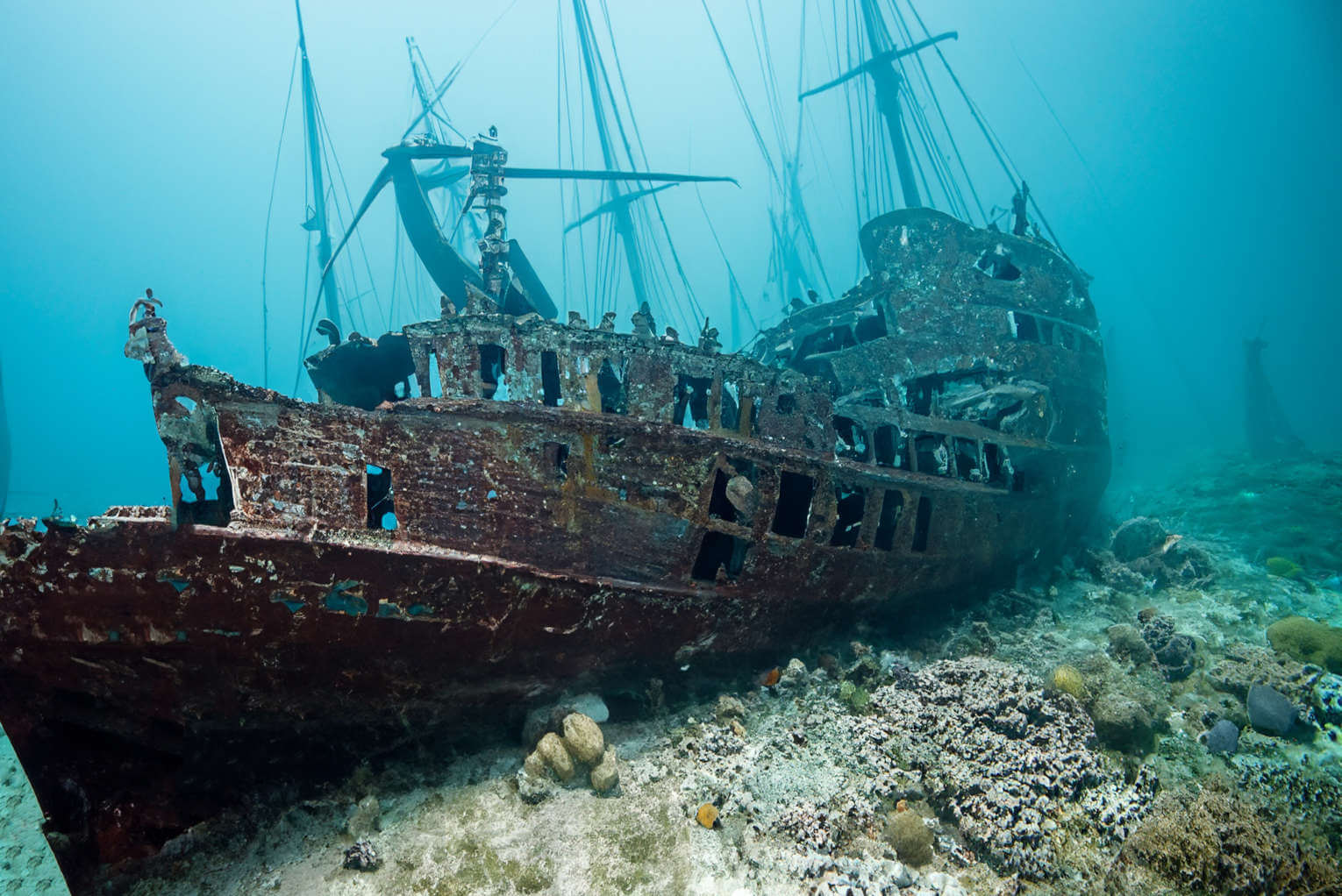
Introduction to Maritime Archaeology
Bronze Age shipwrecks (c. 3500–1200 BCE) reveal the vast trade networks connecting ancient Mediterranean civilizations. Archaeologists study these wrecks to understand commerce, navigation, and cultural exchange.
Trade and Goods
Shipwrecks often contain pottery, metals, tin, copper, glass, and luxury items, reflecting the economic interdependence of regions like Crete, Egypt, and the Levant. Tin and copper, essential for making bronze, were particularly valuable.
Technological Insights
Construction techniques and hull design found in wrecks illustrate early shipbuilding knowledge. Ancient sailors developed navigation strategies using stars, landmarks, and currents to traverse long distances safely.
Impact on Civilization
Trade via these routes facilitated cultural diffusion, including artistic styles, religious practices, and technological innovations. Shipwrecks provide physical evidence for ancient economies, showing the scale and sophistication of Bronze Age maritime commerce.