• MAIN PAGE
  • LATEST NEWS
    • Lost Cities
    • Archaeology's Greatest Finds
    • Underwater Discoveries
    • Greatest Inventions
    • Studies
    • Blog
  • PHILOSOPHY
  • HISTORY
  • RELIGIONS
    • Africa
    • Anatolia
    • Arabian Peninsula
    • Balkan Region
    • China - East Asia
    • Europe
    • Eurasian Steppe
    • Levant
    • Mesopotamia
    • Oceania - SE Asia
    • Pre-Columbian Civilizations of America
    • Iranian Plateau - Central Asia
    • Indus Valley - South Asia
    • Japan
    • The Archaeologist Editor Group
    • Scientific Studies
    • Aegean Prehistory
    • Historical Period
    • Byzantine Middle Ages
    • Predynastic Period
    • Dynastic Period
    • Greco-Roman Egypt
  • Rome
  • PALEONTOLOGY
  • About us
Menu

The Archaeologist

  • MAIN PAGE
  • LATEST NEWS
  • DISCOVERIES
    • Lost Cities
    • Archaeology's Greatest Finds
    • Underwater Discoveries
    • Greatest Inventions
    • Studies
    • Blog
  • PHILOSOPHY
  • HISTORY
  • RELIGIONS
  • World Civilizations
    • Africa
    • Anatolia
    • Arabian Peninsula
    • Balkan Region
    • China - East Asia
    • Europe
    • Eurasian Steppe
    • Levant
    • Mesopotamia
    • Oceania - SE Asia
    • Pre-Columbian Civilizations of America
    • Iranian Plateau - Central Asia
    • Indus Valley - South Asia
    • Japan
    • The Archaeologist Editor Group
    • Scientific Studies
  • GREECE
    • Aegean Prehistory
    • Historical Period
    • Byzantine Middle Ages
  • Egypt
    • Predynastic Period
    • Dynastic Period
    • Greco-Roman Egypt
  • Rome
  • PALEONTOLOGY
  • About us
No results found

The First Olympic Games: A Celebration of Zeus

November 29, 2025

The first recorded Olympic Games were held in 776 BCE in Olympia, Greece. Far from being purely athletic, they were deeply religious, honoring Zeus, king of the gods.

A Festival of Sacred Sport
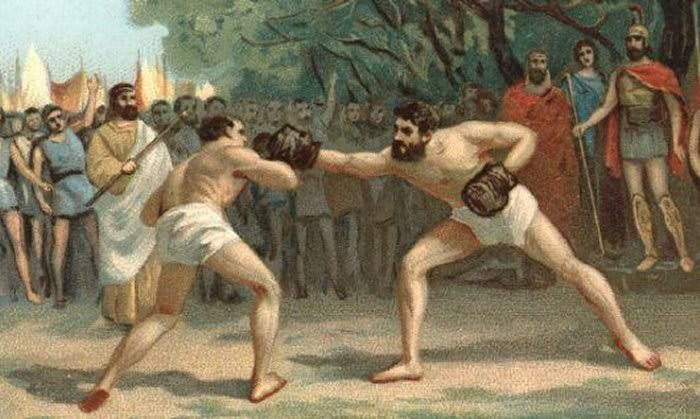
Athletes competed in:

  • Foot races

  • Wrestling

  • Boxing

  • Pentathlon

  • Chariot racing

Winners received olive wreaths, symbolizing divine favor.

Religious Significance

The games included:

  • Sacrifices to Zeus

  • Processions

  • Ritual feasts

Competing was considered an offering to the gods.

Pan-Hellenic Unity

The Olympics brought Greek city-states together. During the games, a sacred truce ensured safe travel and temporary peace.

A Tradition That Endures

The ancient Olympics lasted over 1,000 years, influencing the modern games and leaving a cultural legacy that still inspires the world.
← The Lost Treasure of the Knights TemplarThe Story of the Rosetta Stone: Cracking the Hieroglyphic Code →
Featured
image_2026-05-28_213957152.png
May 28, 2026
Ancient Egyptian Boats: The Solar Barque of Khufu
May 28, 2026
Read more →
May 28, 2026
image_2026-05-28_214040298.png
May 28, 2026
The Viking Influence on the English Language: Archaeological Contexts
May 28, 2026
Read more →
May 28, 2026
image_2026-05-28_214120725.png
May 28, 2026
Roman Silver Treasures: The Mildenhall and Sevso Hoards
May 28, 2026
Read more →
May 28, 2026
image_2026-05-28_214200833.png
May 28, 2026
The Minoan Navy: The Wall Paintings of Akrotiri
May 28, 2026
Read more →
May 28, 2026
image_2026-05-28_213737061.png
May 28, 2026
The Roman Amphitheater of Nîmes: A Marvel of Gallic Engineering
May 28, 2026
Read more →
May 28, 2026
image_2026-05-28_213621343.png
May 28, 2026
Ancient Greek Philosophers: The Archaeology of the Lyceum and Academy
May 28, 2026
Read more →
May 28, 2026
read more

Powered by The archaeologist