Fire as Innovation: From Survival to Technology
Fire is one of the most transformative discoveries in human history. Early humans first used it for warmth, protection, and cooking—but over time, they learned to control and adapt fire for far more complex purposes. This shift marked a turning point: fire was no longer just a survival tool, but a foundation for early industry and technological progress.
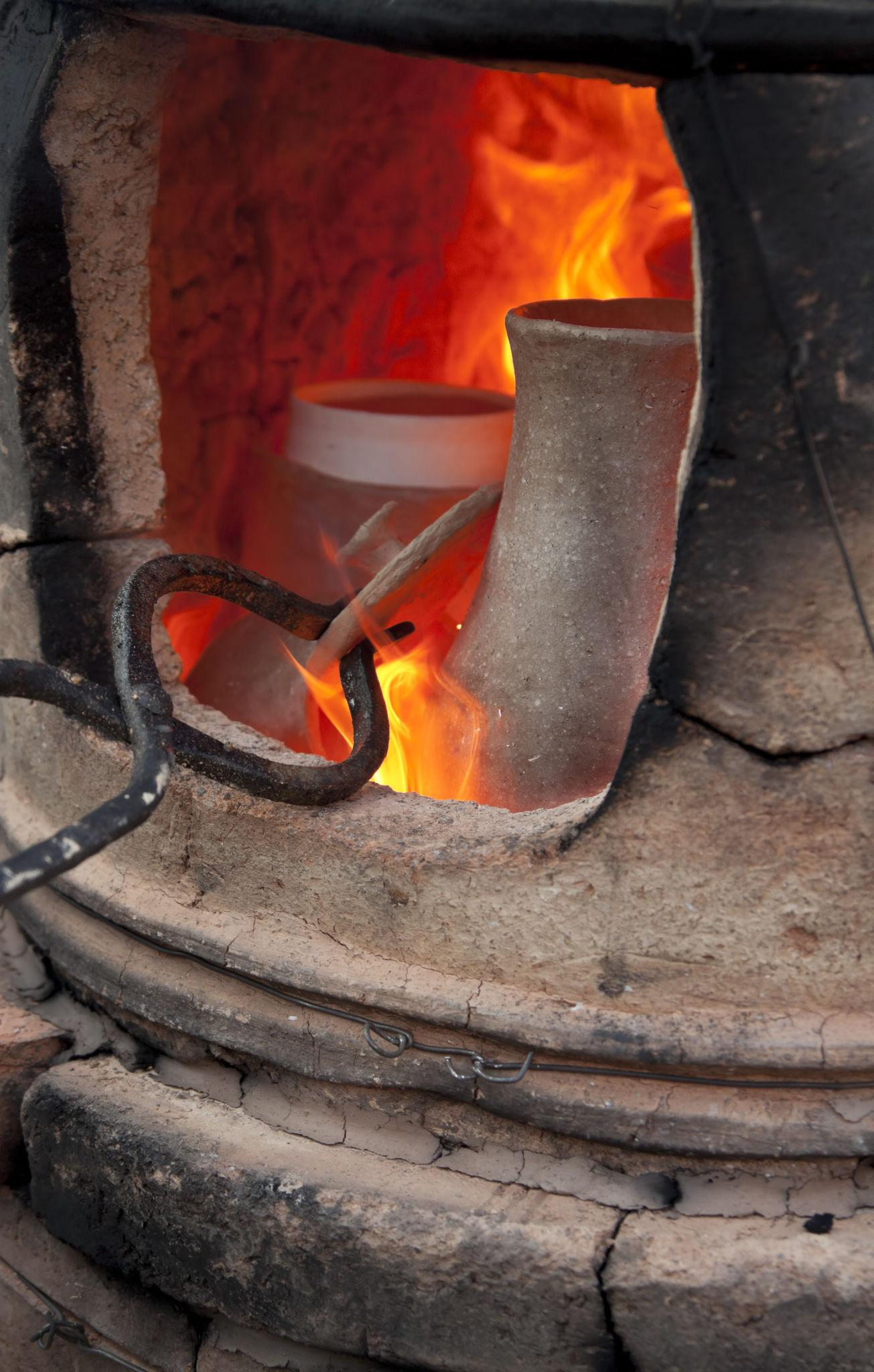
The domestication of fire for industrial use did not happen overnight. It developed gradually, through experimentation and observation, as early communities discovered that heat could transform materials in powerful and predictable ways.
The Birth of Early Industries
Pottery and Kilns
One of the earliest industrial uses of fire was in pottery production. Clay vessels, when exposed to high heat, became stronger, waterproof, and more durable. Early kilns allowed people to control temperature more precisely, leading to improved quality and consistency.
Pottery revolutionized daily life. It enabled long-term food storage, cooking, and trade—essential elements for growing settlements and complex societies.
Metal Smelting and Metallurgy
Perhaps the most significant leap came with the discovery that fire could extract metals from ore. This process, known as smelting, gave rise to metallurgy.
Copper was among the first metals used
Later came bronze, an alloy of copper and tin
Eventually, ironworking transformed tools and weapons even further
Metal tools were sharper, stronger, and more efficient than stone, allowing for advances in agriculture, construction, and warfare.
Lime Production and Construction
Fire also played a critical role in building technology. By heating limestone, ancient people produced quicklime, a key ingredient in mortar and plaster.
This innovation allowed for stronger, more durable structures, paving the way for large-scale architecture, including temples, roads, and fortifications.
Mastering Heat: A Scientific Breakthrough
The ability to control fire required a deep understanding of materials and temperatures—even if early people did not express it scientifically. They learned:
Which fuels burned hottest
How to regulate airflow in furnaces
How long materials needed to be heated
These skills represent some of the earliest forms of applied science and engineering.
Transforming Civilization
The industrial use of fire changed nearly every aspect of human life. It enabled:
Stronger tools and weapons
More permanent settlements
Expanded trade networks
Technological innovation
In many ways, fire was the engine that powered early civilization. Without it, advancements in agriculture, architecture, and industry would have been impossible.
A Legacy That Still Burns
Today, modern industries—from steel production to energy generation—still rely on principles first discovered thousands of years ago. The early mastery of fire laid the groundwork for everything from ancient metallurgy to modern engineering.
What began as a simple flame became one of humanity’s most powerful tools—shaping the course of history itself.