• MAIN PAGE
  • LATEST NEWS
    • Lost Cities
    • Archaeology's Greatest Finds
    • Underwater Discoveries
    • Greatest Inventions
    • Studies
    • Blog
  • PHILOSOPHY
  • HISTORY
  • RELIGIONS
    • Africa
    • Anatolia
    • Arabian Peninsula
    • Balkan Region
    • China - East Asia
    • Europe
    • Eurasian Steppe
    • Levant
    • Mesopotamia
    • Oceania - SE Asia
    • Pre-Columbian Civilizations of America
    • Iranian Plateau - Central Asia
    • Indus Valley - South Asia
    • Japan
    • The Archaeologist Editor Group
    • Scientific Studies
    • Aegean Prehistory
    • Historical Period
    • Byzantine Middle Ages
    • Predynastic Period
    • Dynastic Period
    • Greco-Roman Egypt
  • Rome
  • PALEONTOLOGY
  • About us
Menu

The Archaeologist

  • MAIN PAGE
  • LATEST NEWS
  • DISCOVERIES
    • Lost Cities
    • Archaeology's Greatest Finds
    • Underwater Discoveries
    • Greatest Inventions
    • Studies
    • Blog
  • PHILOSOPHY
  • HISTORY
  • RELIGIONS
  • World Civilizations
    • Africa
    • Anatolia
    • Arabian Peninsula
    • Balkan Region
    • China - East Asia
    • Europe
    • Eurasian Steppe
    • Levant
    • Mesopotamia
    • Oceania - SE Asia
    • Pre-Columbian Civilizations of America
    • Iranian Plateau - Central Asia
    • Indus Valley - South Asia
    • Japan
    • The Archaeologist Editor Group
    • Scientific Studies
  • GREECE
    • Aegean Prehistory
    • Historical Period
    • Byzantine Middle Ages
  • Egypt
    • Predynastic Period
    • Dynastic Period
    • Greco-Roman Egypt
  • Rome
  • PALEONTOLOGY
  • About us
No results found

The Role of the Sacred Drum in Shamanic Rituals

December 10, 2025

Drumming to Alter Consciousness and Connect with Spirits

Historical and Cultural Context
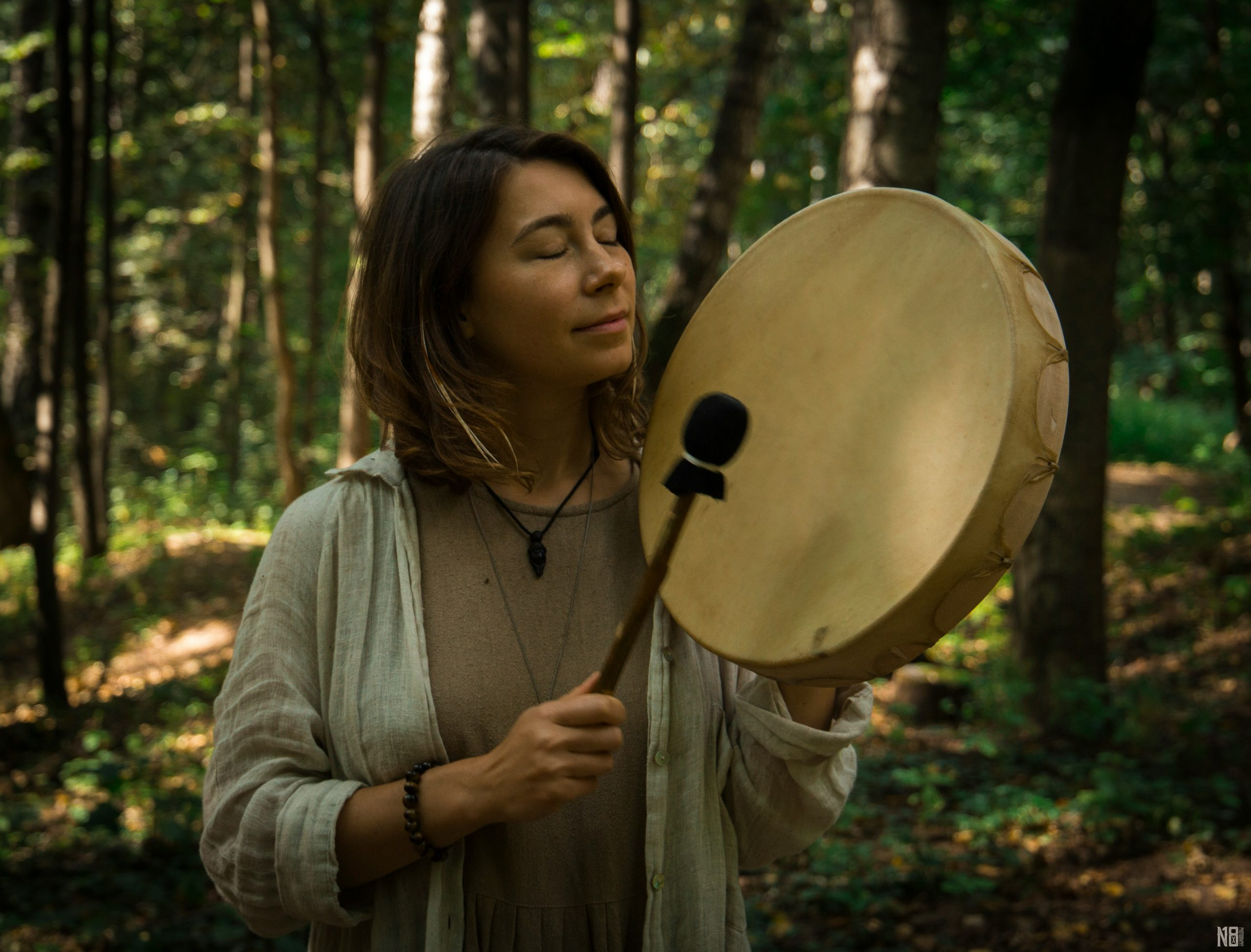
Shamans across Siberia, Africa, and the Americas used drums as central tools in spiritual practice. Drumming created rhythmic patterns that induced trance states, facilitating communication with spirits, ancestors, and the natural world.

Techniques and Symbolism
Shamans used animal hides stretched over wooden frames, often decorated with symbolic motifs representing cosmology, protection, or power. Each beat carried intent—healing, divination, or journeying into spirit realms.

Ritual Applications
Drums accompanied dances, chants, and offerings, guiding participants into altered states of consciousness. Shamans interpreted visions, sought guidance, and healed individuals through these sound-based rituals.

Legacy and Influence
The sacred drum remains central in modern indigenous and neo-shamanic practices. Its use highlights the universal human desire to connect with the unseen, manipulate consciousness, and reinforce social and spiritual bonds.
← The Forgotten City of Hattusa: Capital of the Hittite EmpireThe Lost City of the Ancestral Puebloans: Chaco Canyon →
Featured
image_2026-04-29_212431481.png
Apr 30, 2026
The Tomb of the Silver Shroud: Archaeology in Jerusalem’s Hinnom Valley
Apr 30, 2026
Read More →
Apr 30, 2026
image_2026-04-29_212402483.png
Apr 30, 2026
Ancient Chinese Oracle Bones: The Origins of Writing in East Asia
Apr 30, 2026
Read More →
Apr 30, 2026
image_2026-04-29_212200516.png
Apr 30, 2026
The Elgin Marbles Debate: The History of the Sculptures’ Journey to London
Apr 30, 2026
Read More →
Apr 30, 2026
image_2026-04-29_212122580.png
Apr 30, 2026
Roman Roads: The Engineering Marvel That Bound an Empire
Apr 30, 2026
Read More →
Apr 30, 2026
image_2026-04-29_212047360.png
Apr 30, 2026
The Cahokia Mounds: The Rise and Fall of a Mississippi Metropolis
Apr 30, 2026
Read More →
Apr 30, 2026
image_2026-04-29_212013827.png
Apr 30, 2026
Medieval Monasteries: The Centers of Knowledge and Agriculture
Apr 30, 2026
Read More →
Apr 30, 2026
read more

Powered by The archaeologist