• MAIN PAGE
  • LATEST NEWS
    • Lost Cities
    • Archaeology's Greatest Finds
    • Underwater Discoveries
    • Greatest Inventions
    • Studies
    • Blog
  • PHILOSOPHY
  • HISTORY
  • RELIGIONS
    • Africa
    • Anatolia
    • Arabian Peninsula
    • Balkan Region
    • China - East Asia
    • Europe
    • Eurasian Steppe
    • Levant
    • Mesopotamia
    • Oceania - SE Asia
    • Pre-Columbian Civilizations of America
    • Iranian Plateau - Central Asia
    • Indus Valley - South Asia
    • Japan
    • The Archaeologist Editor Group
    • Scientific Studies
    • Aegean Prehistory
    • Historical Period
    • Byzantine Middle Ages
    • Predynastic Period
    • Dynastic Period
    • Greco-Roman Egypt
  • Rome
  • PALEONTOLOGY
  • About us
Menu

The Archaeologist

  • MAIN PAGE
  • LATEST NEWS
  • DISCOVERIES
    • Lost Cities
    • Archaeology's Greatest Finds
    • Underwater Discoveries
    • Greatest Inventions
    • Studies
    • Blog
  • PHILOSOPHY
  • HISTORY
  • RELIGIONS
  • World Civilizations
    • Africa
    • Anatolia
    • Arabian Peninsula
    • Balkan Region
    • China - East Asia
    • Europe
    • Eurasian Steppe
    • Levant
    • Mesopotamia
    • Oceania - SE Asia
    • Pre-Columbian Civilizations of America
    • Iranian Plateau - Central Asia
    • Indus Valley - South Asia
    • Japan
    • The Archaeologist Editor Group
    • Scientific Studies
  • GREECE
    • Aegean Prehistory
    • Historical Period
    • Byzantine Middle Ages
  • Egypt
    • Predynastic Period
    • Dynastic Period
    • Greco-Roman Egypt
  • Rome
  • PALEONTOLOGY
  • About us

The Great Wall of China: Early Construction

December 26, 2025

Defense, Authority, and Imperial Unity

Pre-Imperial Origins

Before China was unified, regional states built walls to defend against rival kingdoms and nomadic raiders. These early fortifications laid the groundwork for what would later become the Great Wall.

Qin Dynasty Expansion

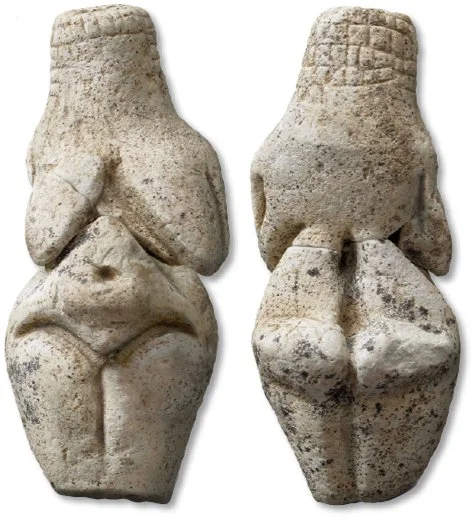
After unifying China in 221 BCE, Emperor Qin Shi Huang ordered the connection and expansion of existing walls. The goal was to defend against northern nomadic groups such as the Xiongnu. This marked the first large-scale construction of the Great Wall.

Labor and Engineering

Construction relied on massive forced labor, including soldiers, peasants, and prisoners. Materials varied by region—rammed earth, wood, and stone were commonly used. The project was grueling, and countless workers died during construction.

Military Function

The wall was not just a barrier but a military system with watchtowers, signal fires, and garrisons. It allowed rapid communication and troop movement across vast distances.

Symbol of Imperial Power

Beyond defense, the wall symbolized the emperor’s authority and the unity of the Chinese state. It marked the boundary between civilization and the perceived chaos beyond.
← The Philosophers of Ancient IndiaThe Sacred Rites of Mithraism →
Featured
image_2026-02-12_195126516.png
Feb 12, 2026
Arab Silver Coins in Russia Highlight Medieval Trade Links
Feb 12, 2026
Read More →
Feb 12, 2026
image_2026-02-12_192509861.png
Feb 12, 2026
Appeal launched to keep Bronze Age treasure in Staffordshire
Feb 12, 2026
Read More →
Feb 12, 2026
image_2026-02-12_191010872.png
Feb 12, 2026
Discover Bucks Museum new exhibition brings Saxons to life
Feb 12, 2026
Read More →
Feb 12, 2026
image_2026-02-12_190843257.png
Feb 12, 2026
The surprising origins of Britain's Bronze Age immigrants revealed
Feb 12, 2026
Read More →
Feb 12, 2026
image_2026-02-12_185159206.png
Feb 12, 2026
Medieval Burial Sites in Denmark Show Illness Didn’t Erase Social Status
Feb 12, 2026
Read More →
Feb 12, 2026
image_2026-02-12_190759498.png
Feb 12, 2026
Rules of mysterious ancient board game decoded by AI, scientists say
Feb 12, 2026
Read More →
Feb 12, 2026
read more

Powered by The archaeologist