• MAIN PAGE
  • LATEST NEWS
    • Lost Cities
    • Archaeology's Greatest Finds
    • Underwater Discoveries
    • Greatest Inventions
    • Studies
    • Blog
  • PHILOSOPHY
  • HISTORY
  • RELIGIONS
    • Africa
    • Anatolia
    • Arabian Peninsula
    • Balkan Region
    • China - East Asia
    • Europe
    • Eurasian Steppe
    • Levant
    • Mesopotamia
    • Oceania - SE Asia
    • Pre-Columbian Civilizations of America
    • Iranian Plateau - Central Asia
    • Indus Valley - South Asia
    • Japan
    • The Archaeologist Editor Group
    • Scientific Studies
    • Aegean Prehistory
    • Historical Period
    • Byzantine Middle Ages
    • Predynastic Period
    • Dynastic Period
    • Greco-Roman Egypt
  • Rome
  • PALEONTOLOGY
  • About us
Menu

The Archaeologist

  • MAIN PAGE
  • LATEST NEWS
  • DISCOVERIES
    • Lost Cities
    • Archaeology's Greatest Finds
    • Underwater Discoveries
    • Greatest Inventions
    • Studies
    • Blog
  • PHILOSOPHY
  • HISTORY
  • RELIGIONS
  • World Civilizations
    • Africa
    • Anatolia
    • Arabian Peninsula
    • Balkan Region
    • China - East Asia
    • Europe
    • Eurasian Steppe
    • Levant
    • Mesopotamia
    • Oceania - SE Asia
    • Pre-Columbian Civilizations of America
    • Iranian Plateau - Central Asia
    • Indus Valley - South Asia
    • Japan
    • The Archaeologist Editor Group
    • Scientific Studies
  • GREECE
    • Aegean Prehistory
    • Historical Period
    • Byzantine Middle Ages
  • Egypt
    • Predynastic Period
    • Dynastic Period
    • Greco-Roman Egypt
  • Rome
  • PALEONTOLOGY
  • About us

The Sacred Rites of Mithraism

December 26, 2025

A Mystery Religion of the Roman World

Origins of the Cult

Mithraism emerged in the Roman Empire between the 1st and 4th centuries CE. Though inspired by the Persian god Mithra, Roman Mithraism developed into a distinct mystery cult. It was especially popular among soldiers, merchants, and imperial officials.

Mithraic Temples and Secrecy

Worship took place in underground temples called mithraea, designed to resemble caves. These spaces symbolized the cosmos and reinforced the cult’s secretive nature. Only initiates were allowed to participate, and knowledge was revealed gradually through ritual.

The Tauroctony

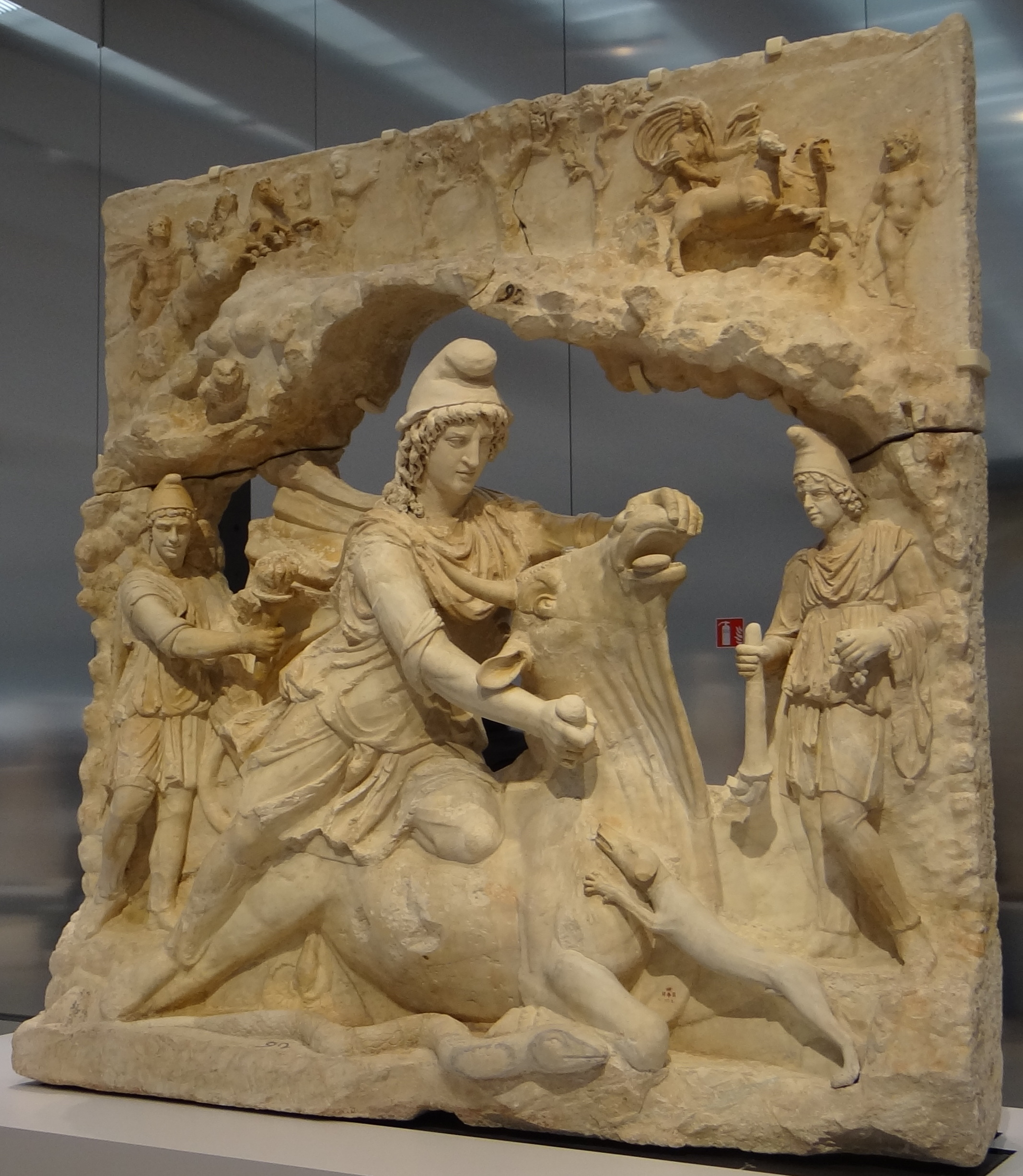
Central to Mithraic imagery was the tauroctony—a depiction of Mithras slaying a sacred bull. This act symbolized cosmic renewal, the creation of life, and the triumph of order over chaos. Animals and zodiac symbols often surrounded the scene, linking Mithraism to astrology.

Initiation and Ranks

Initiates progressed through seven ranks, each associated with a planet. Advancement required moral discipline, ritual participation, and loyalty to the brotherhood. These structured ranks reinforced hierarchy and spiritual growth.

Social and Moral Values

Mithraism emphasized courage, loyalty, and self-control—values appealing to Roman soldiers. Communal meals strengthened bonds among members, creating tight-knit communities within the empire.

Decline of the Cult

With the rise of Christianity and imperial support for Christian institutions, Mithraism declined. Its secrecy and exclusion of women limited its expansion. By the late 4th century, Mithraic temples were abandoned or destroyed, though its symbolism continues to fascinate scholars.
← The Great Wall of China: Early ConstructionThe Development of Cuneiform Writing →
Featured
image_2025-12-26_142742324.png
Dec 26, 2025
The Influence of the Vedas on Hindu Civilization
Dec 26, 2025
Read More →
Dec 26, 2025
image_2025-12-26_142623633.png
Dec 26, 2025
The Trade Routes of the Phoenicians
Dec 26, 2025
Read More →
Dec 26, 2025
image_2025-12-26_141148626.png
Dec 26, 2025
The Sacred Geometry of Ancient Temples
Dec 26, 2025
Read More →
Dec 26, 2025
image_2025-12-26_140534254.png
Dec 26, 2025
The Siege Warfare of the Assyrians
Dec 26, 2025
Read More →
Dec 26, 2025
image_2025-12-26_140331631.png
Dec 26, 2025
The Oracle Bones of Shang China
Dec 26, 2025
Read More →
Dec 26, 2025
image_2025-12-26_134900603.png
Dec 26, 2025
The Ancient Kingdom of Axum
Dec 26, 2025
Read More →
Dec 26, 2025
read more

Powered by The archaeologist