• MAIN PAGE
  • LATEST NEWS
    • Lost Cities
    • Archaeology's Greatest Finds
    • Underwater Discoveries
    • Greatest Inventions
    • Studies
    • Blog
  • PHILOSOPHY
  • HISTORY
  • RELIGIONS
    • Africa
    • Anatolia
    • Arabian Peninsula
    • Balkan Region
    • China - East Asia
    • Europe
    • Eurasian Steppe
    • Levant
    • Mesopotamia
    • Oceania - SE Asia
    • Pre-Columbian Civilizations of America
    • Iranian Plateau - Central Asia
    • Indus Valley - South Asia
    • Japan
    • The Archaeologist Editor Group
    • Scientific Studies
    • Aegean Prehistory
    • Historical Period
    • Byzantine Middle Ages
    • Predynastic Period
    • Dynastic Period
    • Greco-Roman Egypt
  • Rome
  • PALEONTOLOGY
  • About us
Menu

The Archaeologist

  • MAIN PAGE
  • LATEST NEWS
  • DISCOVERIES
    • Lost Cities
    • Archaeology's Greatest Finds
    • Underwater Discoveries
    • Greatest Inventions
    • Studies
    • Blog
  • PHILOSOPHY
  • HISTORY
  • RELIGIONS
  • World Civilizations
    • Africa
    • Anatolia
    • Arabian Peninsula
    • Balkan Region
    • China - East Asia
    • Europe
    • Eurasian Steppe
    • Levant
    • Mesopotamia
    • Oceania - SE Asia
    • Pre-Columbian Civilizations of America
    • Iranian Plateau - Central Asia
    • Indus Valley - South Asia
    • Japan
    • The Archaeologist Editor Group
    • Scientific Studies
  • GREECE
    • Aegean Prehistory
    • Historical Period
    • Byzantine Middle Ages
  • Egypt
    • Predynastic Period
    • Dynastic Period
    • Greco-Roman Egypt
  • Rome
  • PALEONTOLOGY
  • About us

The Philosophers of Ancient India

December 26, 2025

Foundations of Ethics, Politics, and Metaphysics

Early Intellectual Traditions

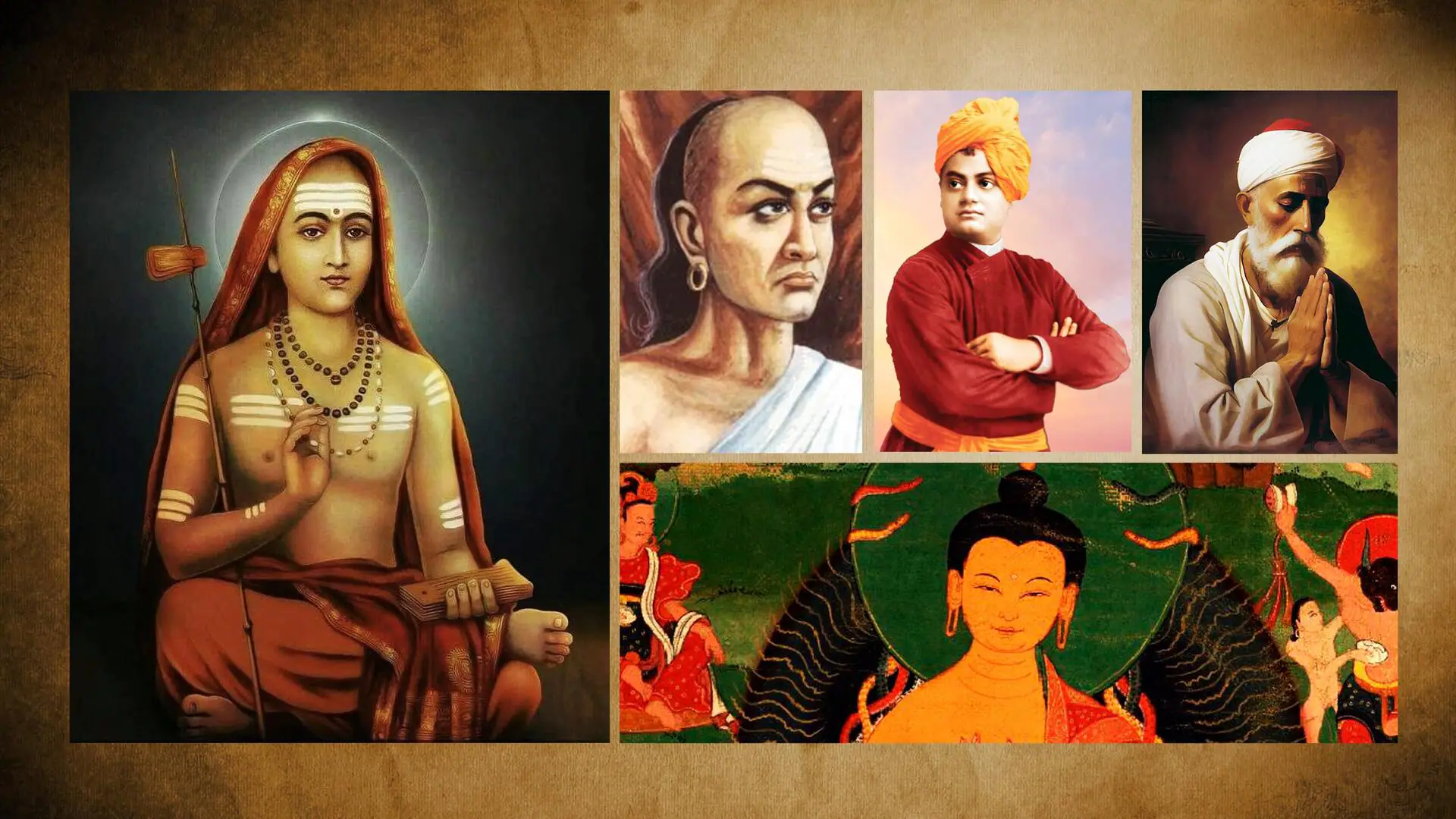
Ancient Indian philosophy developed through oral traditions recorded in texts such as the Vedas and Upanishads. These works explored reality, morality, and the nature of the self.

Kapila and Samkhya Philosophy

Kapila is traditionally credited with founding Samkhya philosophy, which explained existence through the interaction of consciousness (purusha) and matter (prakriti). This dualistic system influenced Hindu, Buddhist, and Jain thought.

Chanakya and Political Philosophy

Chanakya, also known as Kautilya, authored the Arthashastra, a treatise on governance, economics, and diplomacy. He emphasized pragmatic leadership, intelligence gathering, and statecraft, making him one of the world’s earliest political theorists.

Ethics and Spiritual Liberation

Indian philosophers focused on dharma (duty), karma (action), and moksha (liberation). Philosophy was not abstract speculation but a guide for ethical living and spiritual growth.

Enduring Influence

These thinkers shaped Indian civilization and influenced global philosophy. Their ideas continue to inform modern discussions on ethics, politics, and consciousness.

← The Ancient Port of LothalThe Great Wall of China: Early Construction →
Featured
image_2025-12-26_142742324.png
Dec 26, 2025
The Influence of the Vedas on Hindu Civilization
Dec 26, 2025
Read More →
Dec 26, 2025
image_2025-12-26_142623633.png
Dec 26, 2025
The Trade Routes of the Phoenicians
Dec 26, 2025
Read More →
Dec 26, 2025
image_2025-12-26_141148626.png
Dec 26, 2025
The Sacred Geometry of Ancient Temples
Dec 26, 2025
Read More →
Dec 26, 2025
image_2025-12-26_140534254.png
Dec 26, 2025
The Siege Warfare of the Assyrians
Dec 26, 2025
Read More →
Dec 26, 2025
image_2025-12-26_140331631.png
Dec 26, 2025
The Oracle Bones of Shang China
Dec 26, 2025
Read More →
Dec 26, 2025
image_2025-12-26_134900603.png
Dec 26, 2025
The Ancient Kingdom of Axum
Dec 26, 2025
Read More →
Dec 26, 2025
read more

Powered by The archaeologist