How Ancient Stories Shaped Beliefs Across the World
Mesopotamia, often called the “cradle of civilization,” produced myths that influenced later religious traditions across the Near East and beyond.
Creation Stories with Familiar Patterns
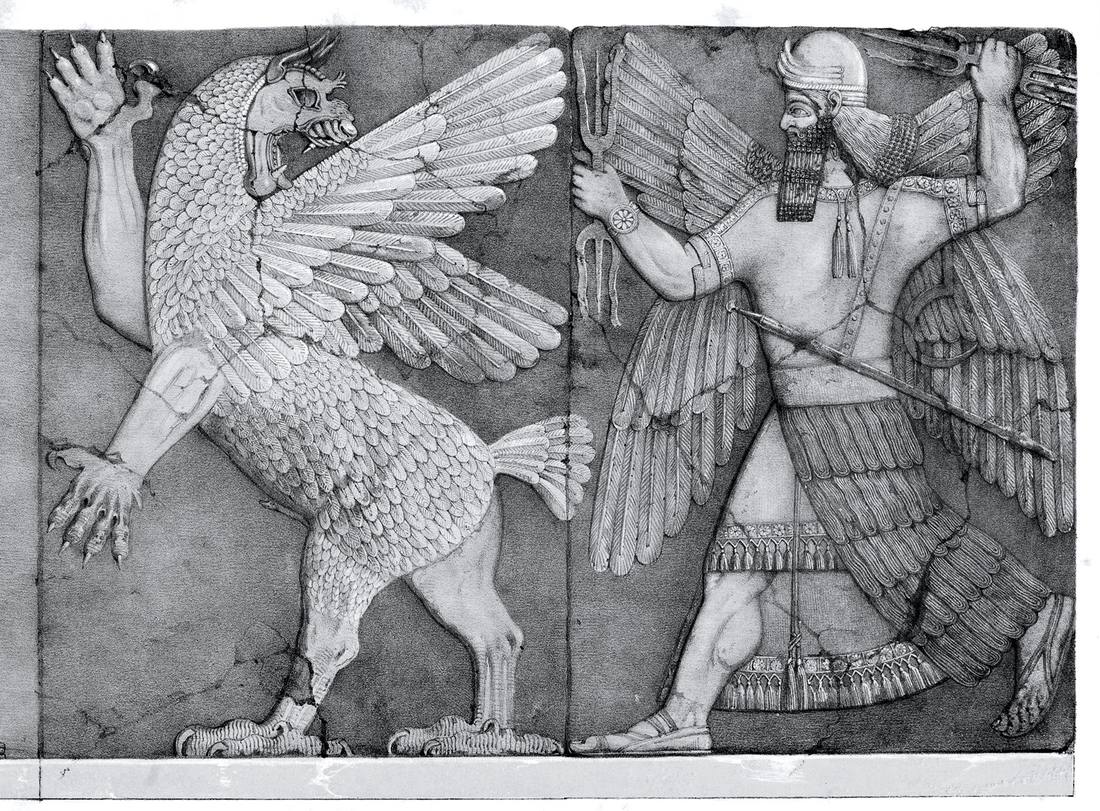
Many Mesopotamian myths describe gods shaping the world from chaos—an idea echoed in later religious texts. Stories of divine battles, sky gods, and earth goddesses appear in later cultures with striking similarities.
The Great Flood Narrative
One of the most famous Mesopotamian stories is the flood epic found in the Epic of Gilgamesh. This narrative predates similar flood stories in later religions and shares elements such as divine anger, a chosen survivor, and the building of a vessel to preserve life.
Shared Themes and Possible Influences
Mesopotamian mythology introduced concepts such as:
gods judging human behavior
the afterlife as a shadowy realm
cosmic order maintained by divine beings
heroic quests shaping moral lessons
Many of these ideas appear in later traditions, suggesting a cultural exchange created through trade, migration, and political contact.
A Foundation Beneath Later Belief Systems
While each religion developed its own identity, Mesopotamian stories helped shape the symbolic and narrative vocabulary of the ancient world.