The Kingdom of Aksum (c. 100–940 CE) was one of the most powerful civilizations of the ancient world, rivaling empires like Rome and Persia. Located in modern Ethiopia and Eritrea, it became a major center of trade, religion, and culture.
Despite its influence, Aksum is often overlooked in world history.
1. Strategic Location and Trade
Aksum’s success was largely due to its position.
Trade Routes: Connected Africa, the Middle East, and the Mediterranean.
Exports: Gold, ivory, and spices.
Coinage: One of the few African kingdoms to mint its own coins.
2. Political and Military Power
Aksum was recognized as a global power.
Global Recognition: Listed among great empires by Mani.
Strong Leadership: Kings maintained control over trade and territory.
Regional Influence: Extended influence across the Red Sea.
3. Religion and Conversion
Aksum played a major role in early Christianity.
King Ezana: Converted to Christianity in the 4th century.
Religious Impact: One of the earliest Christian states.
Cultural Change: Christianity shaped laws and traditions.
4. Architecture and Culture
Aksumite achievements are still visible today.
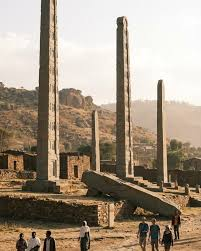
Stelae: Massive stone monuments used as grave markers.
Urban Centers: Included palaces, churches, and trade hubs.
Engineering Skill: Advanced construction techniques.
5. Decline
The empire eventually weakened.
Environmental Issues: Soil depletion and climate changes.
Trade Shifts: New routes reduced Aksum’s importance.
External Pressures: Rise of neighboring powers.
6. Historical Significance
Aksum shows that Africa had powerful, complex civilizations long before colonial times. It played a major role in trade, religion, and global connections.
Why do you think empires like Aksum are less emphasized in world history compared to Rome or Greece?