• MAIN PAGE
  • LATEST NEWS
    • Lost Cities
    • Archaeology's Greatest Finds
    • Underwater Discoveries
    • Greatest Inventions
    • Studies
    • Blog
  • PHILOSOPHY
  • HISTORY
  • RELIGIONS
    • Africa
    • Anatolia
    • Arabian Peninsula
    • Balkan Region
    • China - East Asia
    • Europe
    • Eurasian Steppe
    • Levant
    • Mesopotamia
    • Oceania - SE Asia
    • Pre-Columbian Civilizations of America
    • Iranian Plateau - Central Asia
    • Indus Valley - South Asia
    • Japan
    • The Archaeologist Editor Group
    • Scientific Studies
    • Aegean Prehistory
    • Historical Period
    • Byzantine Middle Ages
    • Predynastic Period
    • Dynastic Period
    • Greco-Roman Egypt
  • Rome
  • PALEONTOLOGY
  • About us
Menu

The Archaeologist

  • MAIN PAGE
  • LATEST NEWS
  • DISCOVERIES
    • Lost Cities
    • Archaeology's Greatest Finds
    • Underwater Discoveries
    • Greatest Inventions
    • Studies
    • Blog
  • PHILOSOPHY
  • HISTORY
  • RELIGIONS
  • World Civilizations
    • Africa
    • Anatolia
    • Arabian Peninsula
    • Balkan Region
    • China - East Asia
    • Europe
    • Eurasian Steppe
    • Levant
    • Mesopotamia
    • Oceania - SE Asia
    • Pre-Columbian Civilizations of America
    • Iranian Plateau - Central Asia
    • Indus Valley - South Asia
    • Japan
    • The Archaeologist Editor Group
    • Scientific Studies
  • GREECE
    • Aegean Prehistory
    • Historical Period
    • Byzantine Middle Ages
  • Egypt
    • Predynastic Period
    • Dynastic Period
    • Greco-Roman Egypt
  • Rome
  • PALEONTOLOGY
  • About us
No results found

The “Lady of Aigai” Comes to Light – Treasures From An Epic Era Of Hellenism

October 3, 2022

Probably the wife of Amyntas I, king of Macedon. 5th Century B.C., Aigai, Greece.

A skeleton with gold jewelry and several priceless decorative items discovered by archaeologists.

They contend that she was most likely Amyntas I of Macedon’s wife. Aigai, a Greek king who ruled in the fifth century BC. “Lady of Aigai” is how archaeologists have dubbed the skeleton.

Here are some jewels and items obtained

Βuried with a gold mask over her face, gold earrings, a headband over her hair and a necklace of gold beads. Her dress was fastened with silver pins, terminating in gold orbs in the shape of poppy capsules. Rosettes and other gold ornaments were sewn on various places of her dress. Also buried with her were a large number of clay figurines, a silver phiale and bronze vessels.

εικόνα_2022-10-03_121123501.png
εικόνα_2022-10-03_121134152.png
εικόνα_2022-10-03_121142115.png
εικόνα_2022-10-03_121151038.png
εικόνα_2022-10-03_121157829.png


← Primitive Technology: Watch This Guy Build A Hut Using Fired Clay Bricks And Wood Ash Cement With His Bare HandsRosetta Stone is moved for first time in 18 years →
Featured
image_2026-08-21_231115959.png
August 23, 2026
Mudejar Sintra: Portugal's Islamic Palace Remains
August 23, 2026
Read more →
August 23, 2026
image_2026-08-21_231446774.png
August 23, 2026
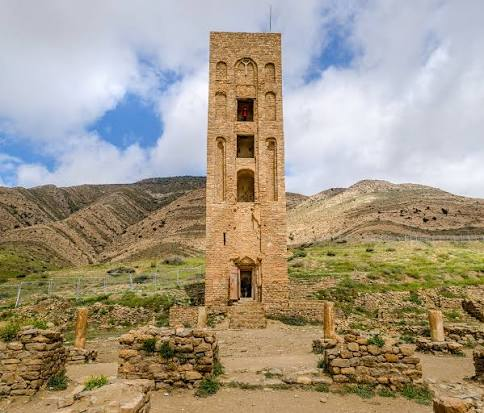
Qal'at Bani Hammad: Algeria's 11th-Century Aghlabid City
August 23, 2026
Read more →
August 23, 2026
image_2026-08-23_221330300.png
August 23, 2026
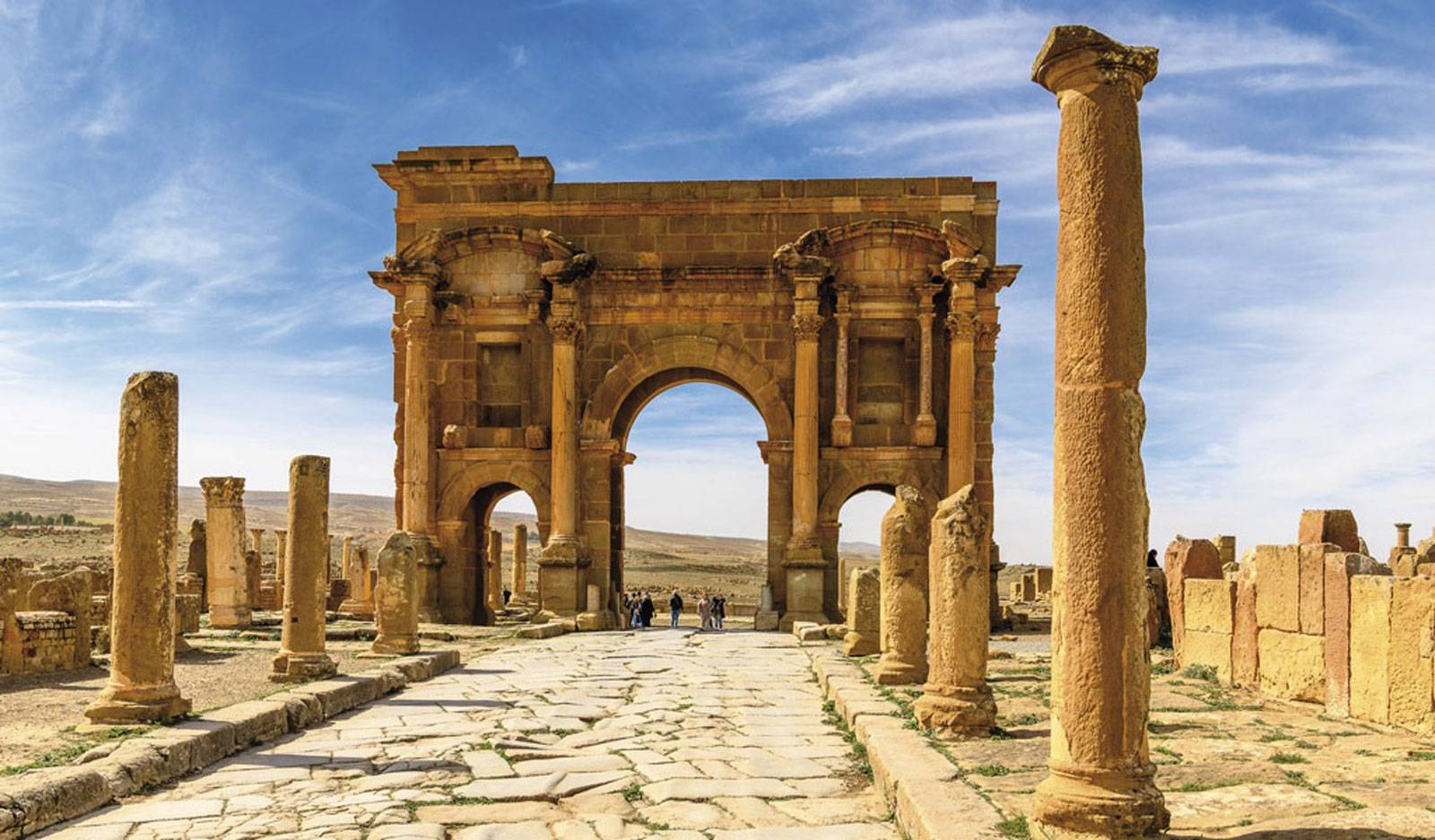
Timgad: Algeria's Roman North African Colony
August 23, 2026
Read more →
August 23, 2026
libya-tadrart-acacus-cave-art--e1508918107880.jpg
August 23, 2026
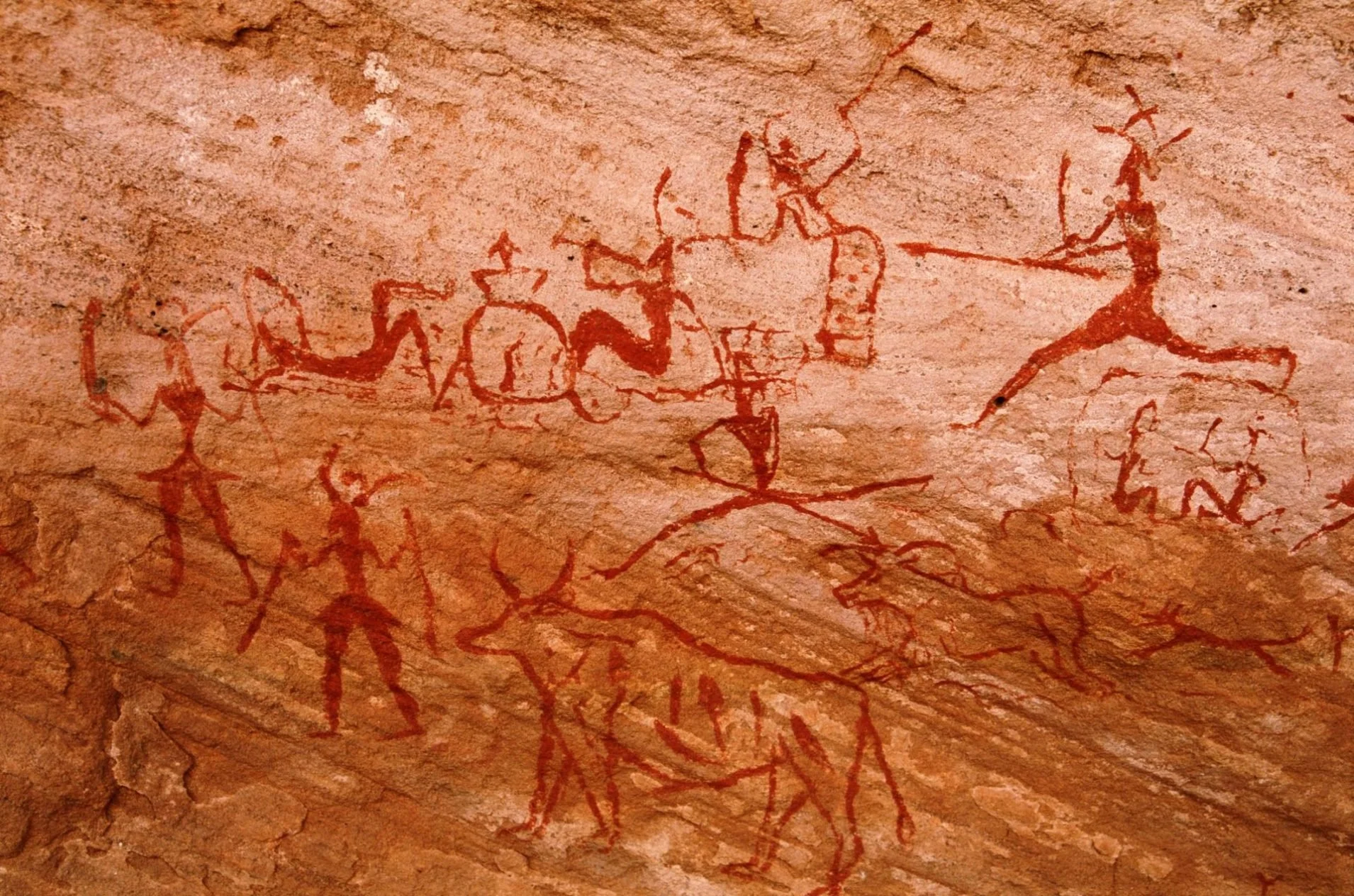
Acacus Mountains: Libya's 14,000-Year Rock Art
August 23, 2026
Read more →
August 23, 2026
Fondazione_Passaré_V1_056.jpg
August 23, 2026
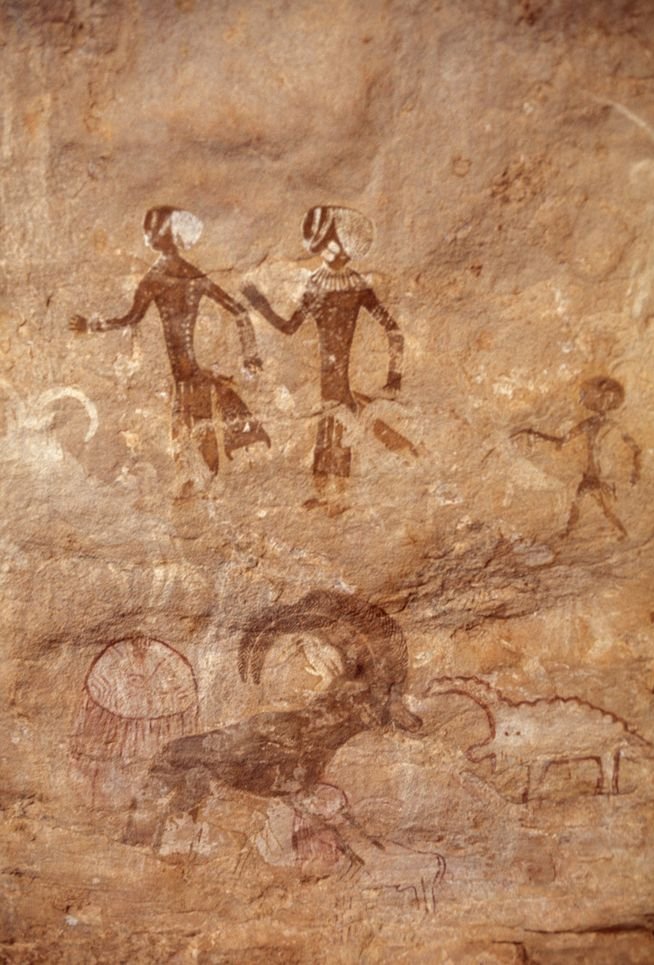
Ti-n-Torha: Libya's Round Head Paintings
August 23, 2026
Read more →
August 23, 2026
images.jpeg
August 23, 2026
Messak Settafet: Libya's 10,000-Year Engravings
August 23, 2026
Read more →
August 23, 2026
read more

Powered by The archaeologist