Mastery in Stone
Ancient stone carving is one of the most impressive achievements of early civilizations. Long before modern machinery, artisans were able to transform hard rock into detailed sculptures, monuments, and architectural elements that have lasted for thousands of years.
This craft required patience, precision, and deep knowledge. Stone was not an easy material to work with, yet ancient carvers developed techniques that allowed them to create both large structures and delicate designs.
Techniques and Tools
The tools used by ancient stone carvers were simple but effective. Chisels, hammers, and abrasives made from sand or other materials allowed artisans to shape stone gradually. Each strike had to be carefully controlled to avoid damaging the work.
Carving usually began with rough shaping, where large pieces of stone were removed to create a basic form. This was followed by finer work, where details were added and surfaces were smoothed. The final stage often involved polishing, giving the stone a finished appearance.
Different types of stone required different approaches. Softer stones allowed for more intricate detail, while harder stones required greater effort but offered increased durability.
Symbolic Motifs
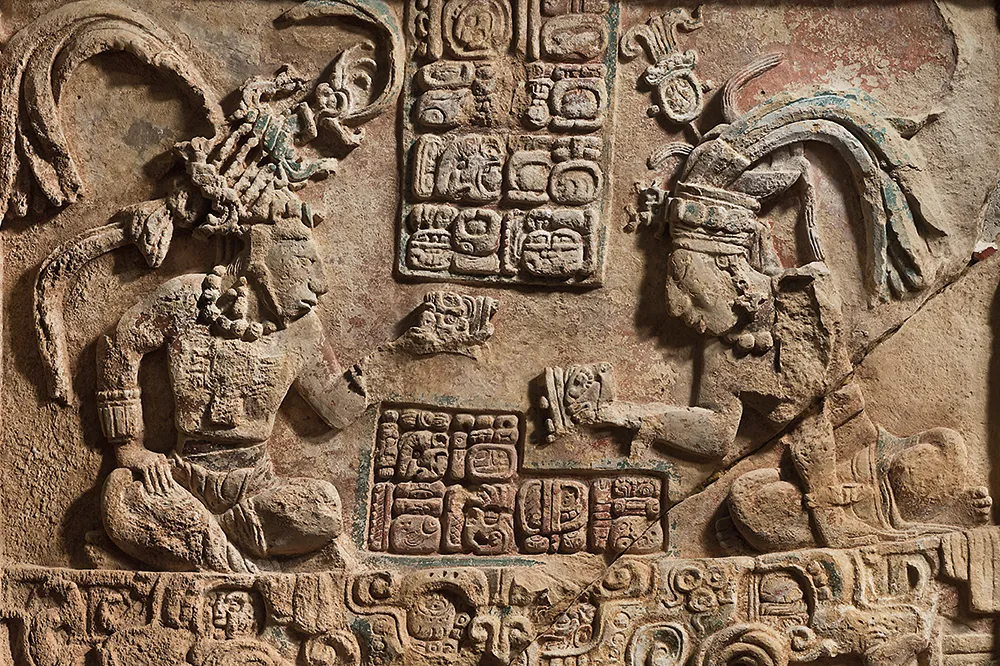
Stone carvings were more than decorative—they were meaningful. Common motifs included animals, religious symbols, and scenes from mythology or daily life. These designs communicated ideas, beliefs, and stories.
In many cases, carvings served as a form of visual language. They allowed societies to record important events and express cultural identity, even in communities where writing was limited.
Cultural Influence
Stone carving played a central role in shaping ancient environments. Temples, monuments, and tombs were often decorated with carvings that reflected religious beliefs and social values.
These works also demonstrated power and authority. Large, detailed carvings required significant resources and skilled labor, making them symbols of wealth and organization.
Enduring Legacy
Today, ancient stone carvings continue to inspire admiration. They provide valuable insights into the past and remind us of the creativity and skill of early artisans.