• MAIN PAGE
  • LATEST NEWS
    • Lost Cities
    • Archaeology's Greatest Finds
    • Underwater Discoveries
    • Greatest Inventions
    • Studies
    • Blog
  • PHILOSOPHY
  • HISTORY
  • RELIGIONS
    • Africa
    • Anatolia
    • Arabian Peninsula
    • Balkan Region
    • China - East Asia
    • Europe
    • Eurasian Steppe
    • Levant
    • Mesopotamia
    • Oceania - SE Asia
    • Pre-Columbian Civilizations of America
    • Iranian Plateau - Central Asia
    • Indus Valley - South Asia
    • Japan
    • The Archaeologist Editor Group
    • Scientific Studies
    • Aegean Prehistory
    • Historical Period
    • Byzantine Middle Ages
    • Predynastic Period
    • Dynastic Period
    • Greco-Roman Egypt
  • Rome
  • PALEONTOLOGY
  • About us
Menu

The Archaeologist

  • MAIN PAGE
  • LATEST NEWS
  • DISCOVERIES
    • Lost Cities
    • Archaeology's Greatest Finds
    • Underwater Discoveries
    • Greatest Inventions
    • Studies
    • Blog
  • PHILOSOPHY
  • HISTORY
  • RELIGIONS
  • World Civilizations
    • Africa
    • Anatolia
    • Arabian Peninsula
    • Balkan Region
    • China - East Asia
    • Europe
    • Eurasian Steppe
    • Levant
    • Mesopotamia
    • Oceania - SE Asia
    • Pre-Columbian Civilizations of America
    • Iranian Plateau - Central Asia
    • Indus Valley - South Asia
    • Japan
    • The Archaeologist Editor Group
    • Scientific Studies
  • GREECE
    • Aegean Prehistory
    • Historical Period
    • Byzantine Middle Ages
  • Egypt
    • Predynastic Period
    • Dynastic Period
    • Greco-Roman Egypt
  • Rome
  • PALEONTOLOGY
  • About us

The Lost City of Petra: Carved in Stone

December 6, 2025

Exploring the Nabatean City Hidden in the Desert

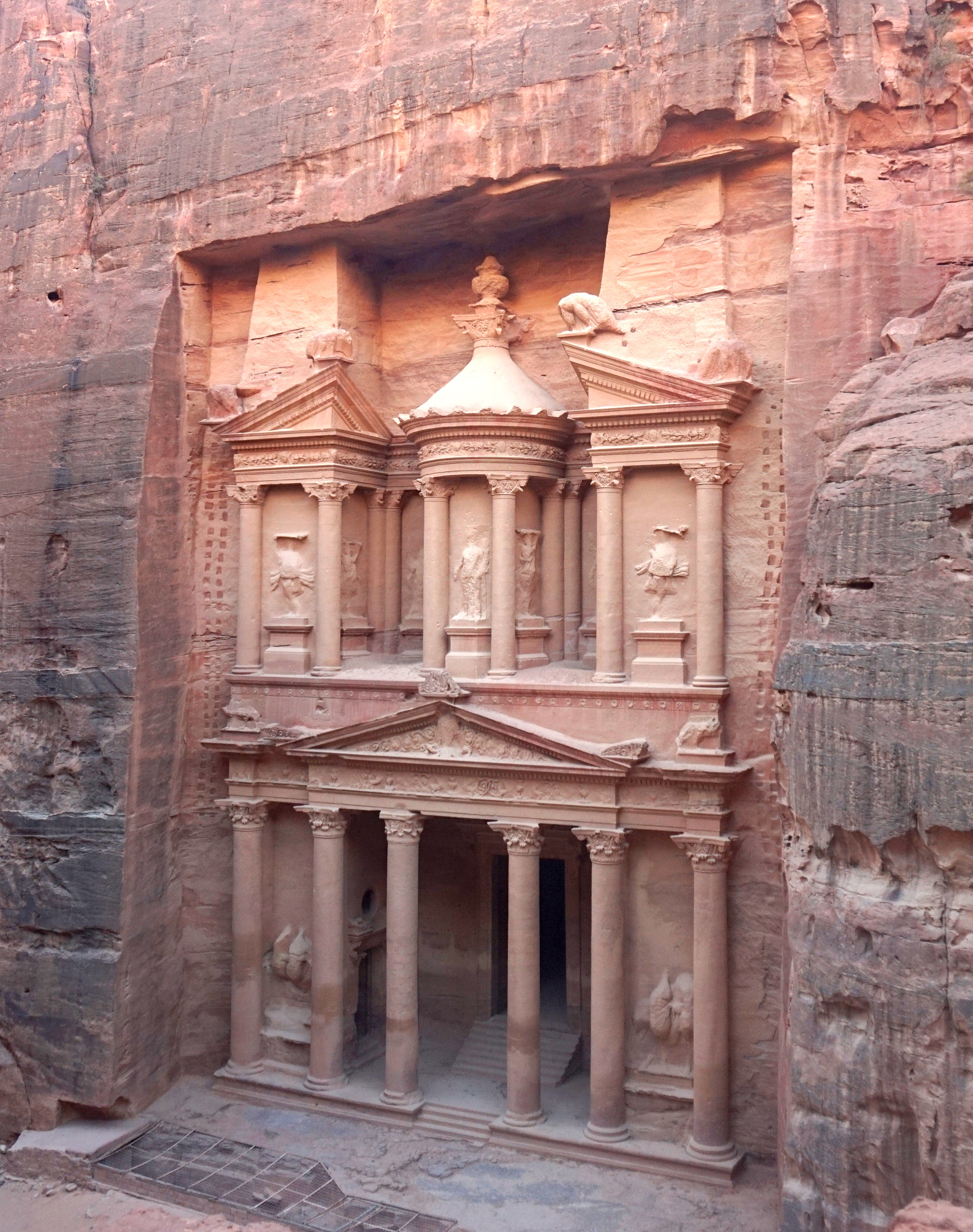
Petra is one of the world’s most remarkable archaeological wonders, a city carved directly into rose-colored cliffs by the Nabateans over 2,000 years ago. Hidden within the rugged canyons of southern Jordan, it thrived as a center of trade and craftsmanship.

Origins of Petra

The Nabateans built Petra around the 4th century BCE, choosing a secluded valley that allowed them to control major trade routes. They carved monumental structures—temples, tombs, and façades—straight from the sandstone, blending Greek, Egyptian, and Arabian artistic styles.

A City of Stone and Water

Beyond its famous carvings, Petra was engineered with advanced water systems including channels, dams, and reservoirs. These innovations allowed the city to flourish in an extremely dry environment.

A Rediscovered Wonder

After centuries of obscurity, Petra was brought to modern attention in 1812. Today, landmarks like the Treasury and Monastery reveal the creativity and spiritual life of the Nabatean people, preserving their legacy in stone.
← The Ancient Practice of Sky Burials in TibetThe Ancient Ritual of Human Sacrifice: Why and Where? →
Featured
image_2025-12-07_012832539.png
Dec 6, 2025
The Sacred Geometry of the Mayan Calendar
Dec 6, 2025
Read More →
Dec 6, 2025
image_2025-12-07_012007022.png
Dec 6, 2025
The Role of the Moon in Ancient Calendars
Dec 6, 2025
Read More →
Dec 6, 2025
image_2025-12-07_011156079.png
Dec 6, 2025
The Secrets of the Ancient Ziggurats of Mesopotamia
Dec 6, 2025
Read More →
Dec 6, 2025
image_2025-12-07_010524059.png
Dec 6, 2025
The Ancient Practice of Sky Burials in Tibet
Dec 6, 2025
Read More →
Dec 6, 2025
image_2025-12-07_005545537.png
Dec 6, 2025
The Lost City of Petra: Carved in Stone
Dec 6, 2025
Read More →
Dec 6, 2025
image_2025-12-07_004417823.png
Dec 6, 2025
The Ancient Ritual of Human Sacrifice: Why and Where?
Dec 6, 2025
Read More →
Dec 6, 2025
read more

Powered by The archaeologist